Transporting dry sludge using pneumatic conveying systems presents unique challenges, particularly the risk of pipeline blockages. These blockages can lead to operational disruptions, increased maintenance costs, and reduced system efficiency. Understanding and implementing the right design parameters are crucial to mitigate these risks and ensure reliable sludge transport. This article explores effective strategies to prevent pipeline blockages in dry sludge conveying and highlights key design parameters that engineers must consider.
About HeadPowder Engineering Co., Ltd.
HeadPowder, a leading provider of engineering solutions, specializes in the design and implementation of pneumatic conveying systems tailored for industrial applications, including dry sludge transport. With a focus on innovation and reliability, HeadPowder offers expert guidance and customized solutions to address the specific challenges of sludge handling in various industrial settings. The company’s commitment to quality and performance ensures that clients receive systems that are not only efficient but also durable and low-maintenance.
Key Design Parameters to Prevent Pipeline Blockages
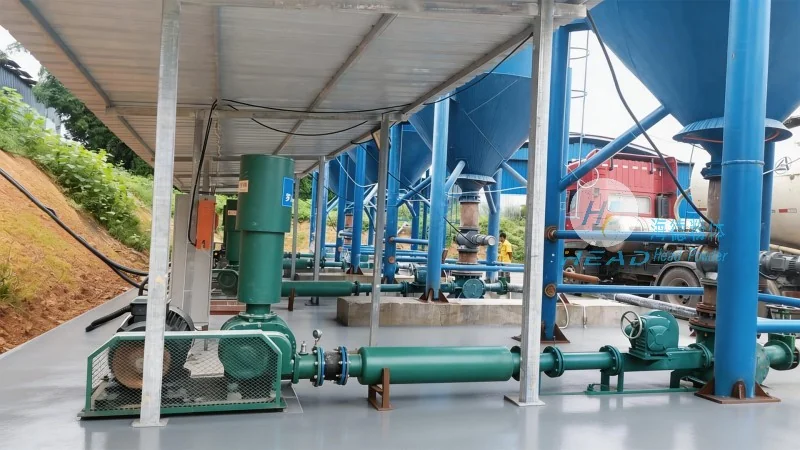
Several critical design parameters play a pivotal role in preventing pipeline blockages during dry sludge transport. The first and most important parameter is the pipe diameter. Larger pipe diameters reduce the risk of blockages by providing sufficient space for the sludge particles to move freely. Typically, pipe diameters ranging from 100mm to 300mm are recommended for dry sludge conveying, depending on the sludge characteristics and the required flow rate. A larger diameter allows for lower air velocities, which in turn reduces the stress on the sludge particles and minimizes the chance of agglomeration.
Another crucial parameter is the air velocity. Maintaining an appropriate air velocity is essential to ensure that the sludge particles are adequately suspended and transported without settling. The optimal air velocity varies based on the sludge's moisture content, particle size, and density. For dry sludge, air velocities between 15 to 25 m/s are commonly used. However, it is important to note that excessively high air velocities can lead to increased energy consumption and potential damage to the system components. Conversely, too low a velocity may result in sludge deposition and blockages. Engineers must conduct thorough testing and analysis to determine the ideal air velocity for a specific application.
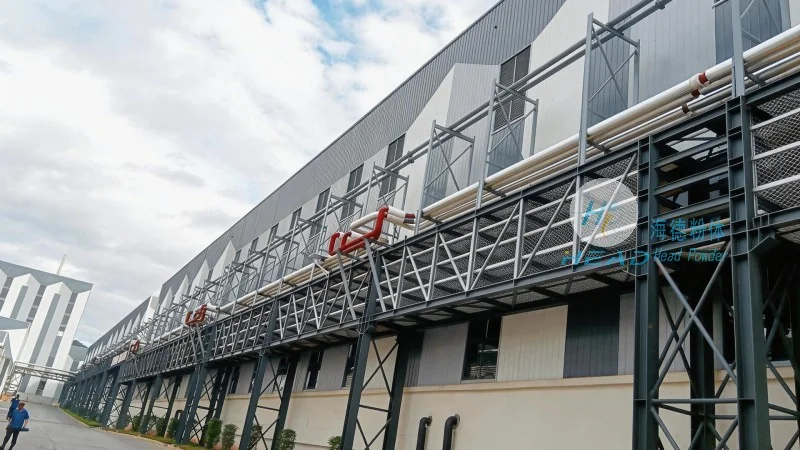
The type of air flow system also impacts blockage prevention. Positive pressure systems, where air is blown into the pipeline, are generally preferred for dry sludge transport as they provide better control over the flow and reduce the risk of dust emissions. In contrast, negative pressure systems, which draw air out of the pipeline, are less suitable for handling dry sludge due to the higher risk of particle loss and blockage formation. Positive pressure systems also allow for easier maintenance and cleaning of the pipeline, as any blockages can be more easily identified and addressed.
Sludge characteristics, such as particle size distribution, moisture content, and density, are also critical factors to consider. Coarse or irregularly shaped particles are more prone to causing blockages compared to fine, uniform particles. Therefore, it is essential to analyze the sludge's properties before designing the conveying system. If the sludge contains large particles, the pipe diameter and air velocity may need to be adjusted accordingly to accommodate the larger particles and prevent them from settling. Additionally, the moisture content of the sludge affects its flowability; lower moisture content generally leads to better flow characteristics and reduced blockage risk.
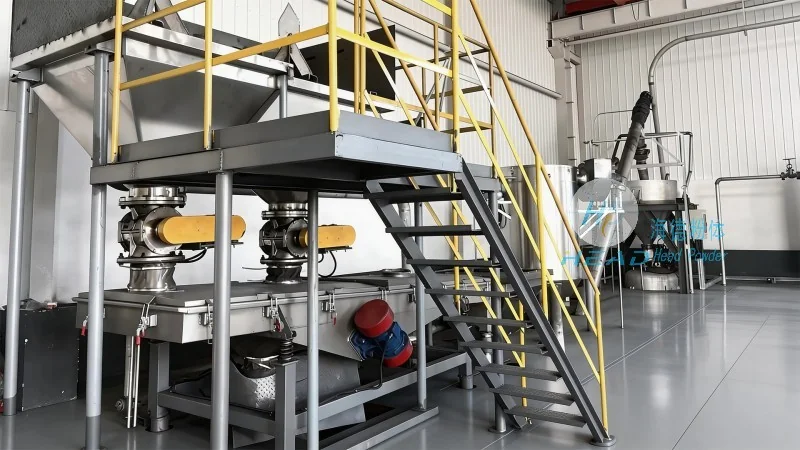
System layout and configuration are also important design considerations. The pipeline should be designed with a gradual slope to ensure that the sludge particles move smoothly without accumulating at low points. Vertical sections of the pipeline should be minimized, as vertical movement can cause particle separation and potential blockages. Instead, horizontal or gently sloping sections are preferred. The use of bends and elbows should be minimized, as these can act as points where particles may settle and form blockages. If bends are necessary, they should be designed with larger radii to reduce the impact on particle flow.
Regular maintenance and monitoring are essential to prevent blockages over time. Implementing a maintenance schedule that includes periodic cleaning of the pipeline, checking for wear and tear on components, and monitoring air pressure and flow rates can help identify potential issues before they escalate into blockages. Additionally, using sensors and monitoring systems to track the system's performance can provide early warnings of any changes in flow or pressure that may indicate an impending blockage.
Conclusion
Preventing pipeline blockages in dry sludge conveying with pneumatic systems requires a comprehensive approach that considers multiple design parameters and operational factors. By carefully selecting the appropriate pipe diameter, air velocity, and system configuration, engineers can significantly reduce the risk of blockages and ensure the efficient and reliable transport of dry sludge. HeadPowder Engineering Co., Ltd. offers expert solutions tailored to these requirements, providing clients with systems that are designed for long-term performance and minimal downtime. With a focus on innovation and customer satisfaction, HeadPowder continues to be a trusted partner in the industrial sludge handling sector, helping businesses maintain operational efficiency and reduce costs associated with blockages and maintenance.




