Wet sodium nitrate, a critical chemical in various industrial applications, requires efficient and reliable transportation methods to ensure safe and effective handling. Air-driven systems, also known as pneumatic conveying systems, have emerged as a preferred solution for transporting this material due to their ability to handle moisture and maintain product integrity. This article provides a comprehensive classification of air-driven systems used for wet sodium nitrate and analyzes their practical applications in industrial settings.
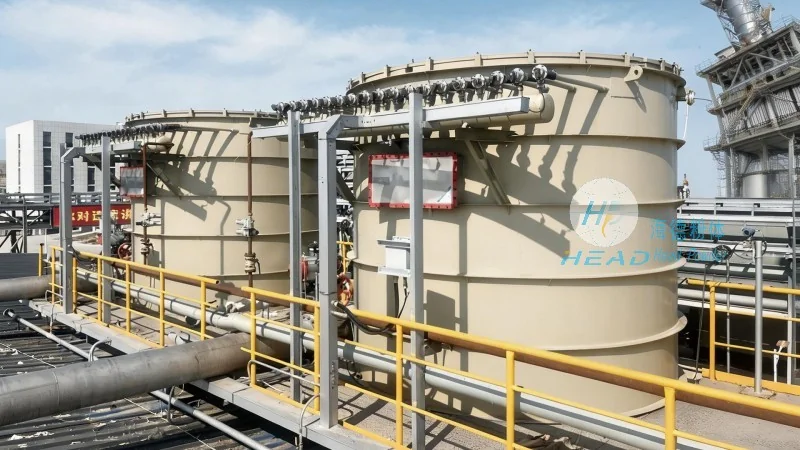
Classification of Air-Driven Systems for Wet Sodium Nitrate
There are primarily two categories of air-driven systems used for wet sodium nitrate: positive pressure systems and negative pressure systems. Positive pressure systems operate by blowing air or gas into the conveying line, pushing the material forward. These systems are often used for short to medium distance transport and are suitable for materials that are non-abrasive and have low dust generation. Negative pressure systems, on the other hand, create a vacuum in the conveying line, drawing the material into the system. This type of system is ideal for longer distances and for materials that are more abrasive or generate significant dust.
Key Components of Wet Sodium Nitrate Air-Driven Systems
Regardless of the system type, wet sodium nitrate air-driven systems typically consist of several key components. These include a material feed hopper, a rotary airlock valve, a conveying line (often made of stainless steel to resist corrosion from the wet material), a dust collector (if negative pressure is used), and a discharge hopper. The material feed hopper ensures a consistent flow of wet sodium nitrate into the system, while the rotary airlock valve prevents backflow and maintains pressure differentials. The conveying line is designed to withstand the corrosive nature of the wet material and the abrasive action of the particles. The dust collector, when used in negative pressure systems, captures any fine particles that may be released during transport, ensuring compliance with environmental regulations and maintaining air quality.
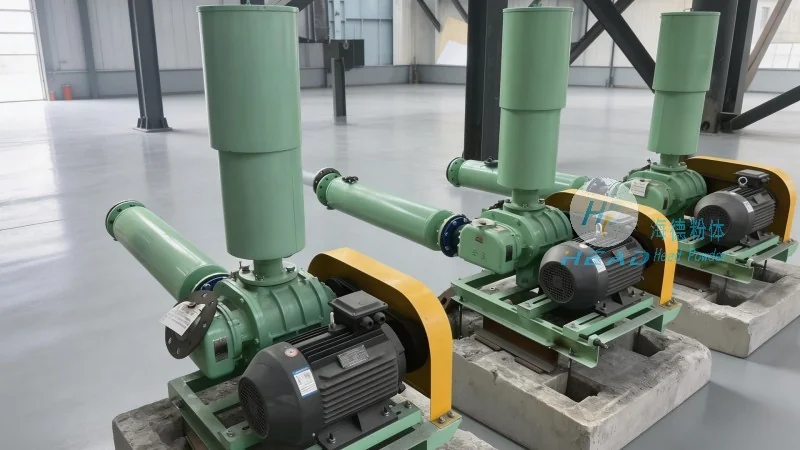
Application Analysis of Air-Driven Systems in Industrial Settings
The application of air-driven systems for wet sodium nitrate varies across different industries. In the fertilizer industry, these systems are commonly used to transport wet sodium nitrate from storage silos to processing facilities, where it is further processed into granules or other fertilizer products. The ability of the system to handle moisture without clogging or damaging the equipment is particularly valuable in this sector. In the chemical manufacturing industry, air-driven systems are used to transport wet sodium nitrate between different stages of production, such as from a reaction vessel to a drying unit. The consistent flow and low maintenance requirements of these systems make them a cost-effective solution for continuous production processes. Additionally, in the mining and mineral processing industry, air-driven systems are used to transport wet sodium nitrate from mining sites to processing plants, where it is further processed for use in various applications.
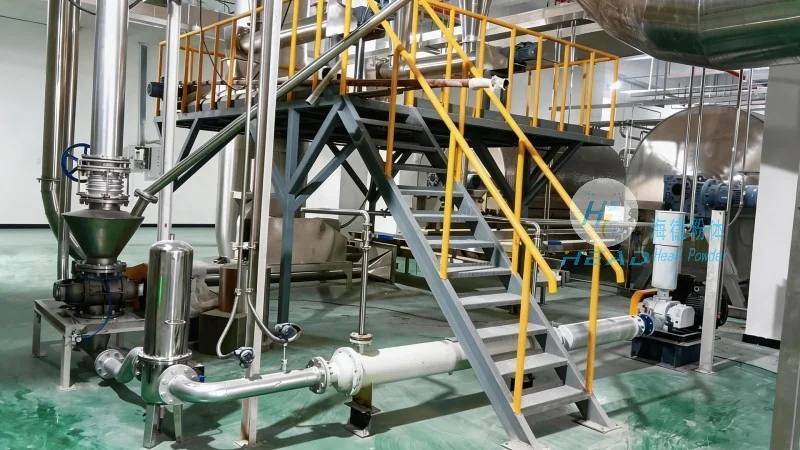
Advantages of Using Air-Driven Systems for Wet Sodium Nitrate
There are several advantages to using air-driven systems for wet sodium nitrate. One of the primary benefits is the ability to handle moisture and maintain product integrity. Unlike traditional belt conveyors or bucket elevators, air-driven systems do not come into direct contact with the material, reducing the risk of contamination or degradation. Another advantage is the flexibility in system design. Air-driven systems can be configured for various distances and layouts, making them suitable for both new installations and retrofitting existing facilities. The systems also offer low maintenance requirements compared to other conveying methods, as they have fewer moving parts and are less prone to wear and tear. Furthermore, air-driven systems can be integrated with other process equipment, such as dust collectors and material feeders, to create a fully automated conveying system that enhances operational efficiency.
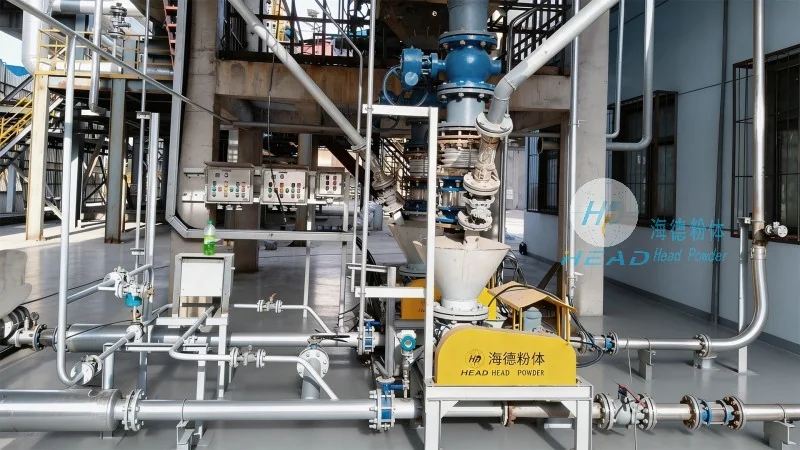
Challenges and Mitigation Strategies in Wet Sodium Nitrate Air-Driven Systems
While air-driven systems offer many benefits, they also present some challenges when handling wet sodium nitrate. One of the main challenges is the risk of clogging in the conveying line, especially if the material contains high moisture content or has a tendency to agglomerate. To mitigate this, systems often include features such as vibration devices or rotary airlock valves with larger openings to prevent blockages. Another challenge is the corrosion of system components due to the acidic nature of wet sodium nitrate. Stainless steel or corrosion-resistant materials are used for the conveying line and other critical parts to extend the system's lifespan and ensure reliability. Additionally, the high dust generation in negative pressure systems can lead to air quality issues and compliance problems. Proper dust collection systems and regular maintenance are essential to mitigate these issues and ensure the system operates within environmental regulations.
Conclusion and Future Outlook
Air-driven systems for wet sodium nitrate provide an efficient and reliable solution for transporting this critical chemical in various industrial applications. The classification of these systems into positive and negative pressure types allows for selection based on specific operational requirements, such as distance and material characteristics. The key components and advantages of these systems, including moisture handling and low maintenance, make them a preferred choice for many industries. However, challenges such as clogging and corrosion must be addressed through proper system design and maintenance. As industrial processes continue to evolve, the demand for efficient and sustainable conveying solutions will likely increase, and air-driven systems will remain a key technology in the handling of wet sodium nitrate. Shandong HeadPowder Engineering Co., Ltd., with its expertise in engineering and manufacturing, offers comprehensive solutions for air-driven systems tailored to the needs of wet sodium nitrate transportation, ensuring safe and effective operation in industrial settings.




