

Classification and Application Analysis of Pneumatic Conveying Systems for Lithium-Ion Battery Anode
Shandong HeadPowder Engineering Co., Ltd., a leading enterprise in the field of powder processing technology, specializes in the design, manufacturing, and application of advanced pneumatic conveying systems tailored for lithium-ion battery anode materials. With a focus on precision, efficiency, and reliability, the company has developed comprehensive solutions that address the unique challenges of handling fine powders used in modern battery production. This article provides an in-depth classification of these systems and an analysis of their practical applications, highlighting the technical advancements and operational benefits they offer to the battery manufacturing industry.
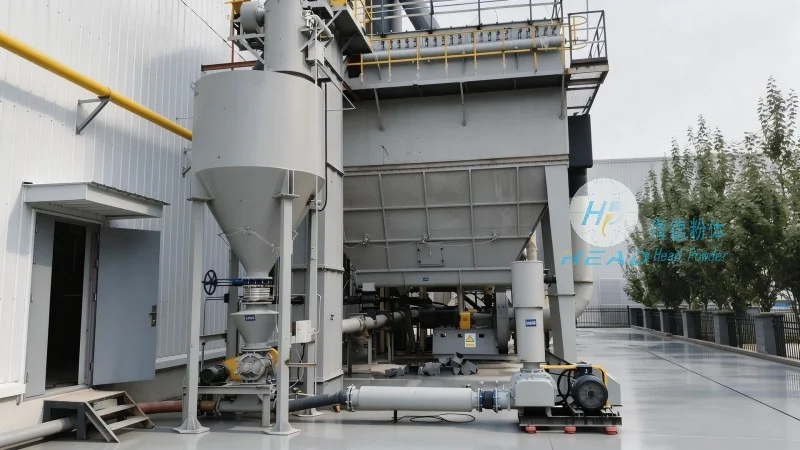
Classification of Pneumatic Conveying Systems
The pneumatic conveying systems for lithium-ion battery anode materials can be broadly classified into several categories based on their operating principles and application scenarios. The primary classifications include:
- Positive Pressure Conveying Systems: These systems operate by blowing air or gas into the material stream, creating a positive pressure environment that propels the powder forward. They are suitable for long-distance and high-capacity transport, making them ideal for large-scale battery production lines where material needs to be moved from storage to processing units over considerable distances.
- Negative Pressure (Vacuum) Conveying Systems: In contrast, these systems use a vacuum to draw material from a source, such as a hopper or storage silo, into the conveying line. They are commonly used for short-distance transport and for handling materials that are sensitive to pressure changes or require gentle handling to prevent agglomeration or degradation.
- Two-Phase (Air-Pneumatic) Conveying Systems: This hybrid approach combines elements of both positive and negative pressure systems. It typically involves a primary air stream that provides the main propulsion, while a secondary vacuum or pressure control is used to regulate the flow and prevent material blockages. This type of system offers flexibility and is often used in complex production lines where multiple material handling tasks are required.
- High-Pressure Conveying Systems: Designed for high-density and high-velocity transport, these systems use elevated air pressure to move materials at higher speeds, reducing the overall system length and improving throughput. They are particularly effective for handling abrasive or high-temperature materials, which are common in anode material processing.
Key Components and Technical Features
Each classification of pneumatic conveying systems incorporates specific components and technical features that enhance their performance and adaptability. For example, positive pressure systems often include high-capacity blowers, flexible hoses, and specialized nozzles to ensure efficient material transport. Negative pressure systems, on the other hand, rely on robust vacuum pumps and sealed collection points to maintain a consistent suction force. The two-phase systems may utilize variable speed drives and pressure sensors to dynamically adjust the air flow and prevent material buildup. Additionally, modern systems are equipped with advanced control systems, such as PLC (Programmable Logic Controller) and SCADA (Supervisory Control and Data Acquisition) interfaces, which enable real-time monitoring and automated operation, ensuring optimal performance and minimizing downtime.
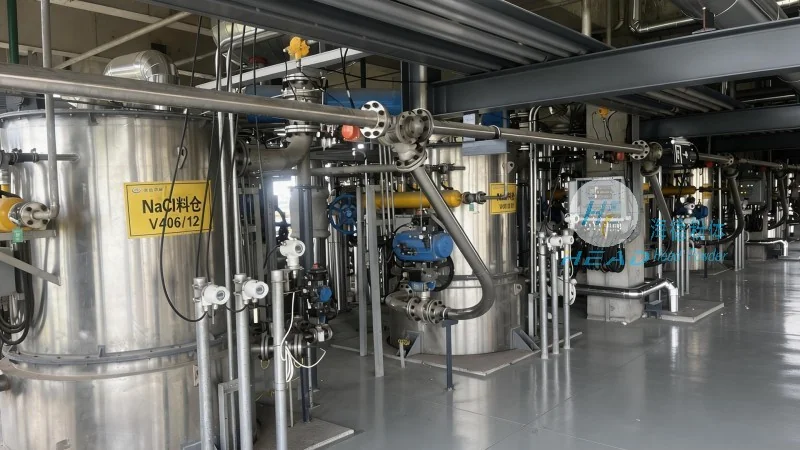
Application Analysis in Lithium-Ion Battery Production
The application of pneumatic conveying systems in lithium-ion battery anode material processing is critical for maintaining the quality and consistency of the final product. These systems are widely used in various stages of battery production, including raw material handling, mixing, coating, and packaging. For instance, in the raw material handling stage, positive pressure systems are employed to transport anode powders from storage silos to mixing equipment, ensuring a continuous and uniform feed. The negative pressure systems are then used to collect and transport fine powders from processing equipment back to storage, preventing dust contamination and maintaining environmental compliance.
In the mixing and coating processes, two-phase or high-pressure systems are often utilized to achieve precise material blending and uniform coating thickness. The ability to control the air flow and pressure in these systems allows for the adjustment of particle size distribution and coating uniformity, which directly impacts the battery's performance and cycle life. Furthermore, the gentle handling provided by pneumatic conveying minimizes material degradation, such as agglomeration or oxidation, which are common issues in traditional mechanical conveying methods.
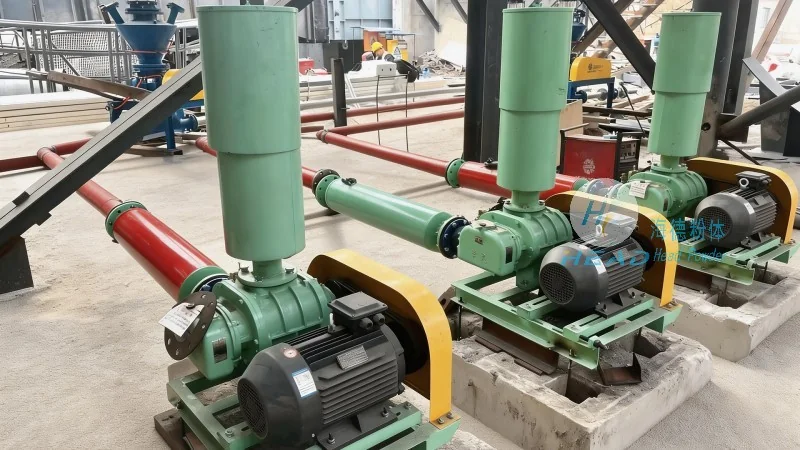
Operational Benefits and Performance Metrics
Implementing pneumatic conveying systems for lithium-ion battery anode materials offers several operational benefits that contribute to improved efficiency and cost-effectiveness. These benefits include:
- Enhanced Material Handling Efficiency: Pneumatic systems can transport materials over long distances with minimal downtime, reducing the need for manual handling and increasing overall production throughput. The continuous flow of material ensures a steady supply to downstream processes, minimizing bottlenecks and improving production line stability.
- Improved Product Quality and Consistency: By maintaining a consistent air flow and pressure, pneumatic conveying systems prevent material segregation and ensure uniform particle size distribution. This leads to better coating quality and more reliable battery performance, as the anode material's properties are directly linked to the quality of the powder feed.
- Reduced Downtime and Maintenance Costs: Modern pneumatic systems are designed with durable components and advanced control features that reduce the frequency of maintenance and repairs. The use of flexible hoses and sealed connections minimizes the risk of material leakage and contamination, extending the system's operational life and lowering long-term maintenance costs.
- Environmental Compliance and Safety: Pneumatic conveying systems are enclosed and sealed, preventing dust emissions and ensuring a safe working environment. This compliance with environmental regulations not only protects the workforce but also enhances the company's reputation and market position.
Conclusion
Shandong HeadPowder Engineering Co., Ltd. provides comprehensive pneumatic conveying solutions tailored to the specific needs of lithium-ion battery anode material processing. Through the classification and application analysis of these systems, it is evident that the right choice of system, based on operational requirements and material characteristics, can significantly impact the efficiency, quality, and cost-effectiveness of battery production. By leveraging advanced technology and expert engineering, the company continues to deliver reliable and high-performance systems that meet the evolving demands of the battery industry. With a strong commitment to innovation and customer satisfaction, Shandong HeadPowder remains a key player in the development and application of advanced powder handling technologies for lithium-ion battery manufacturing.