

Principles and Working Scene Characteristics of Reducing Iron Powder Material Handling
Understanding the principles and working scene characteristics of reducing iron powder material handling is crucial for optimizing industrial processes in various manufacturing settings. This article, presented by Shandong HeadPowder Engineering Co., Ltd. (headpowder), delves into the fundamental mechanisms and practical applications of transporting reducing iron powder, a critical component in many industrial operations.
Introduction to Reducing Iron Powder Material Handling
Reducing iron powder, produced by the reduction of iron ore, is widely used in industries such as steelmaking, foundries, and chemical manufacturing. Efficient material handling of this fine powder is essential to maintain production efficiency and product quality. The process involves several key principles and operational considerations that define its effective application in different working environments.
Core Principles of Reducing Iron Powder Transport
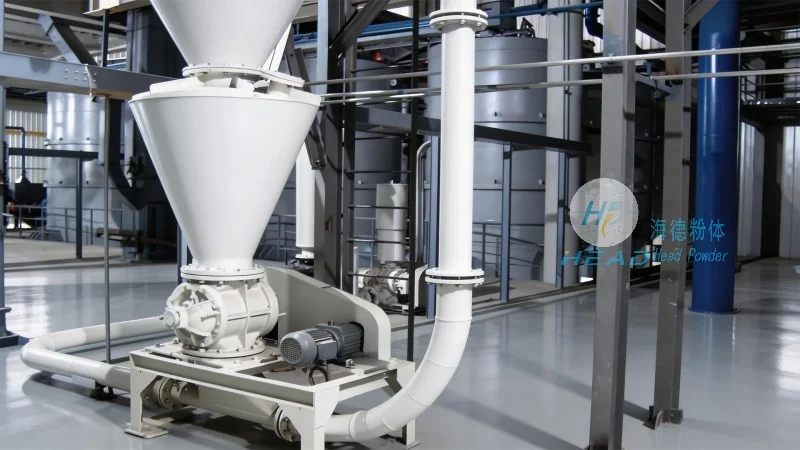
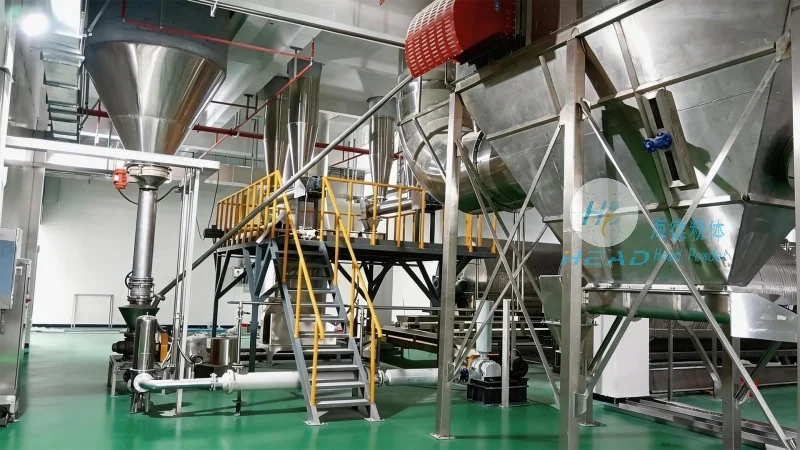
The primary principle in handling reducing iron powder is maintaining its physical integrity and preventing agglomeration or dust generation. This is achieved through specialized equipment and control measures tailored to the material's properties. Key factors include particle size distribution, moisture content, and the need for gentle handling to avoid particle breakage or excessive air entrainment. The selection of transport methods, such as pneumatic conveying, belt conveyors, or screw conveyors, depends on the specific characteristics of the iron powder and the operational requirements of the facility.
Working Scene Characteristics and Application Scenarios
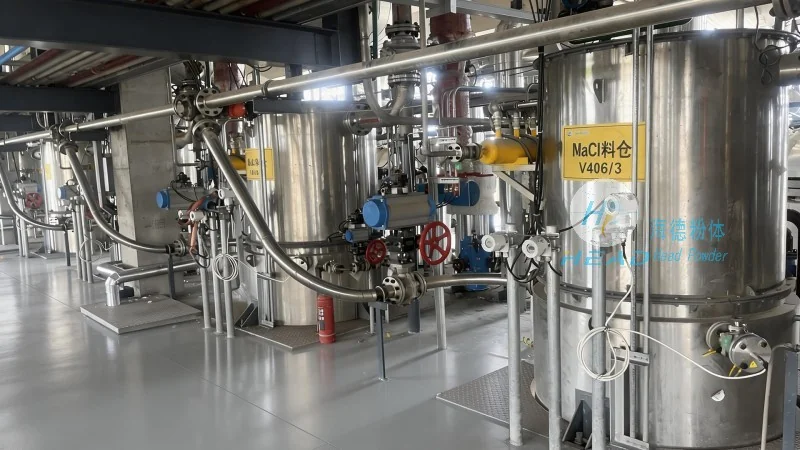
Reducing iron powder material handling operates across diverse industrial settings, each with unique characteristics that influence the choice of handling systems. In steelmaking facilities, for example, the powder is often transported from storage silos to blast furnaces or other processing units, requiring high-capacity and reliable systems to meet continuous production demands. The working scene in foundries involves transporting the powder to mix with other raw materials for casting processes, where precision in dosing and uniform distribution is critical. Chemical manufacturing plants may use reducing iron powder in catalyst production or other chemical reactions, necessitating controlled and clean handling to prevent contamination and ensure reaction efficiency.
Equipment and System Considerations for Effective Handling
Effective reducing iron powder handling relies on a combination of specialized equipment designed to address the material's challenges. Pneumatic conveying systems, for instance, use air pressure to move the powder through pipelines, minimizing the risk of dust exposure and ensuring consistent flow rates. Belt conveyors are suitable for bulk handling over longer distances, while screw conveyors provide gentle, low-speed transport that preserves the powder's integrity. In addition to the conveying equipment, dust control systems, such as filters and enclosures, are essential to maintain a safe and clean working environment. The integration of these systems with process controls, such as flow meters and level sensors, ensures precise management of the material throughout the handling process.
Operational Efficiency and Maintenance in Reducing Iron Powder Handling
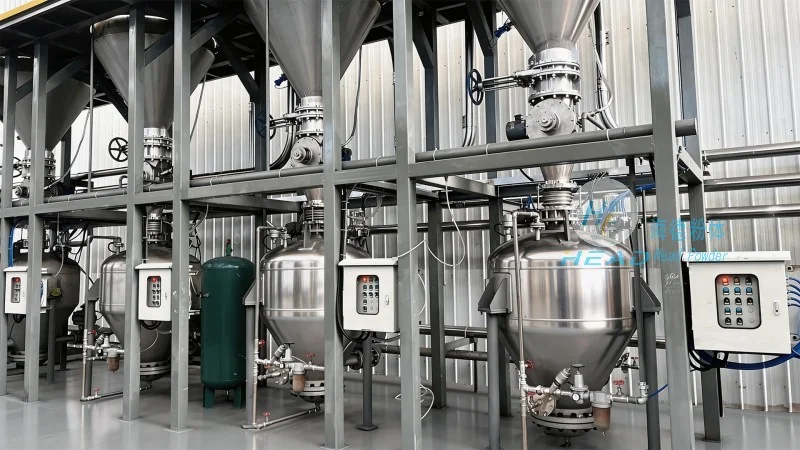
Optimizing operational efficiency in reducing iron powder material handling involves regular maintenance and monitoring of the equipment. Regular cleaning of conveying lines and equipment components is necessary to prevent clogging and ensure consistent performance. Monitoring parameters like pressure, flow rate, and temperature helps identify potential issues before they impact production. Additionally, training operators on proper handling techniques and safety protocols is vital to maintain the integrity of the material and ensure workplace safety. By implementing these practices, industrial facilities can enhance the reliability and longevity of their material handling systems while maintaining high product quality.