Wood fiber pneumatic conveying systems are specialized equipment designed to transport wood fibers and related materials efficiently and reliably. These systems are widely used in various industries, including paper manufacturing, woodworking, and biomass processing, where the handling of fibrous materials is a critical step in production processes. The primary goal of such systems is to move wood fibers from one location to another without the need for mechanical components like belts or buckets, relying instead on the force of air to propel the material through a pipeline network.
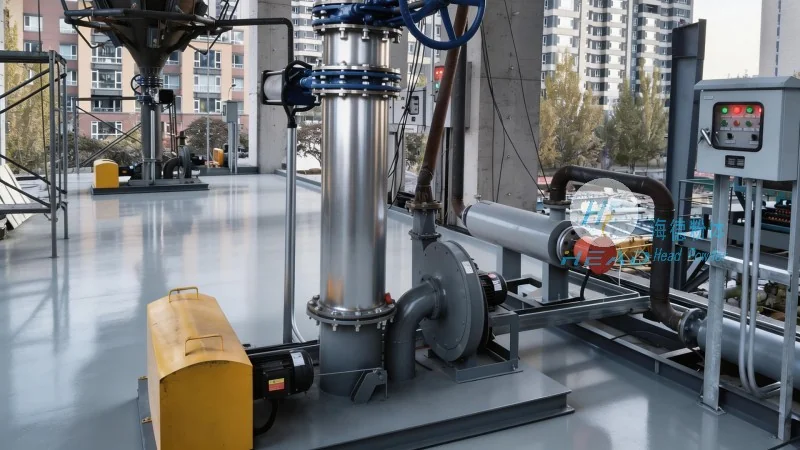
At the core of a wood fiber pneumatic conveying system is a combination of components that work in harmony to ensure smooth material transport. The system typically includes a hopper or feeder for material storage and initial feeding, a blower or air compressor to generate the necessary air pressure, a pipeline network to guide the material flow, and a receiver or discharge unit to collect the material at the destination. Each component plays a crucial role in the overall operation, and their design and integration directly impact the system's performance, efficiency, and reliability.
The structure of a typical wood fiber pneumatic conveying system is built around the principle of air-assisted transport. The hopper, often equipped with a rotary valve or screw feeder, ensures a consistent and controlled flow of wood fibers into the system. This feeder prevents material buildup and maintains a steady supply to the blower. The blower, which can be a positive displacement type or a centrifugal fan, generates the airflow required to move the fibers. The air pressure created by the blower is sufficient to overcome the resistance of the pipeline and the material's weight, allowing the fibers to be carried along with the air stream.
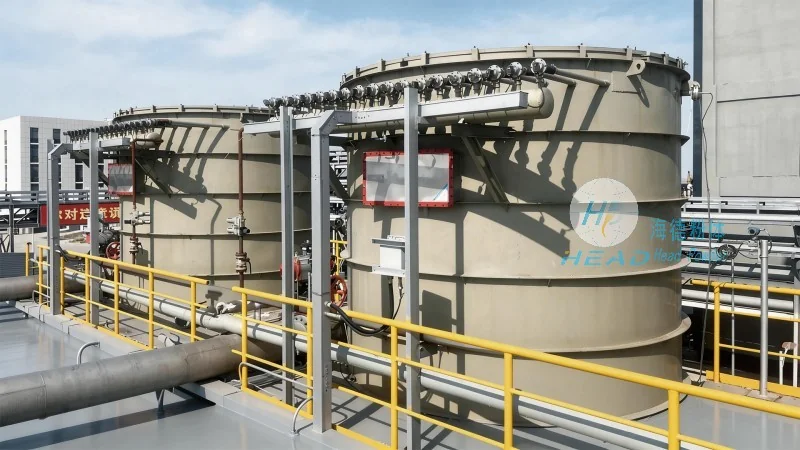
The pipeline network is a critical part of the system's structure, as it determines the path and direction of the material flow. These pipelines are usually made of materials such as stainless steel or PVC, chosen for their durability and resistance to the abrasive nature of wood fibers. The design of the pipeline, including bends, elbows, and straight sections, is optimized to minimize pressure loss and maintain the air-fiber mixture's stability. Specialized components like expansion joints and filters are also integrated into the pipeline to handle potential blockages and ensure clean operation.
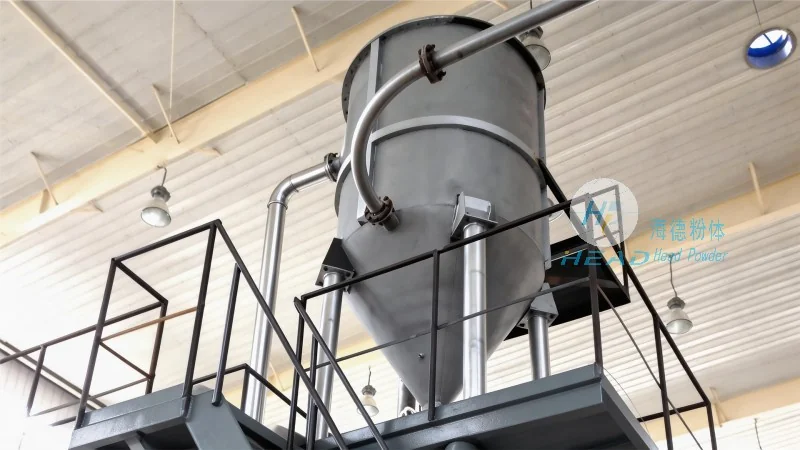
The receiver or discharge unit is the final component in the system, responsible for collecting the wood fibers at the end of the conveying process. This unit is typically equipped with a hopper or a storage bin, and it may include a rotary valve or a gate to control the discharge of the material. The receiver is designed to handle the material's weight and prevent any backflow or spillage, ensuring a clean and efficient end-of-line operation.
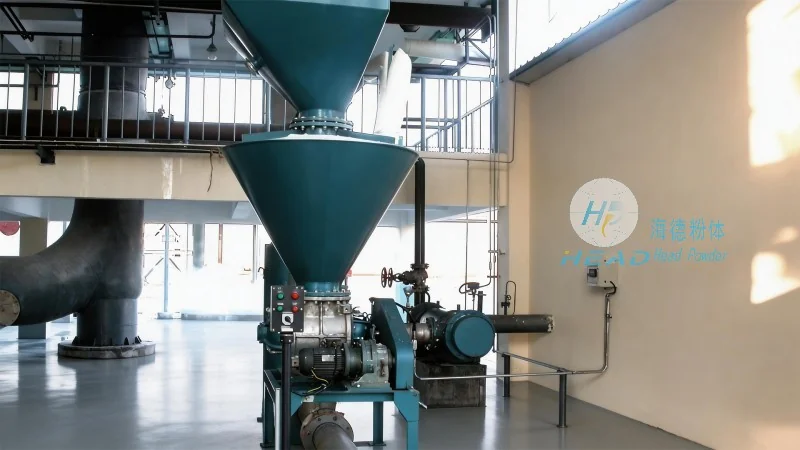
Understanding the working principles of wood fiber pneumatic conveying systems is essential for optimizing their performance and ensuring long-term reliability. The system operates on the principle of fluidization, where the air flow creates a suspension of wood fibers in the pipeline. This suspension allows the material to be transported at high speeds with minimal friction, reducing wear on the system components and increasing overall efficiency. The key to successful operation lies in maintaining the correct air-to-material ratio, which balances the need for sufficient airflow to move the fibers without causing excessive pressure drop or material degradation.
Shandong HeadPowder Engineering Co., Ltd., a leading manufacturer in the field of pneumatic conveying systems, specializes in designing and manufacturing customized solutions for wood fiber handling. With years of experience and a commitment to quality, the company has developed a range of systems tailored to meet the specific needs of various industries. The company's headquarters is located in Shandong, China, where it operates a state-of-the-art manufacturing facility equipped with advanced technology and skilled personnel. Shandong HeadPowder Engineering Co., Ltd. is dedicated to providing reliable and efficient wood fiber pneumatic conveying systems that enhance production efficiency and reduce operational costs for its clients.




