HeadPowder, a leading provider in the field of material handling solutions, specializes in the design, manufacturing, and installation of advanced pneumatic conveying systems. This article provides an overview of the quartz sand powder pneumatic conveying system, focusing on its structure and operational principles. The system is engineered to efficiently transport quartz sand powder from storage to processing or packaging areas, ensuring minimal product degradation and high operational reliability.
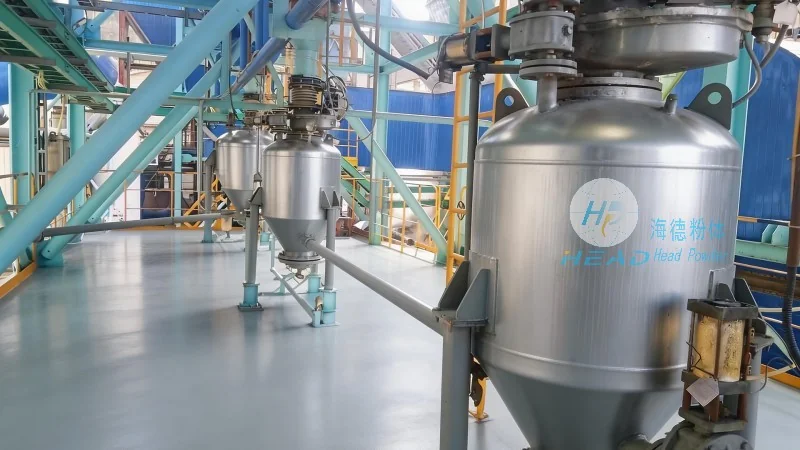
Company Profile: Shandong HeadPowder Engineering Co., Ltd.
HeadPowder, the company behind this advanced technology, is headquartered in Shandong, China. With years of experience in the engineering and manufacturing of material handling equipment, HeadPowder has established itself as a trusted partner for industries requiring reliable and efficient powder handling solutions. The company's commitment to quality and innovation has enabled it to deliver systems that meet the stringent demands of various industrial applications.
Overview of the Quartz Sand Powder Pneumatic Conveying System
The quartz sand powder pneumatic conveying system is a sophisticated piece of equipment designed to transport fine quartz sand powder through an air stream. This system is particularly suitable for applications where traditional mechanical conveying methods may cause product contamination or degradation. The system operates by using compressed air to create a flow that carries the powder particles through a network of pipes and components, ensuring a clean and efficient transfer process.
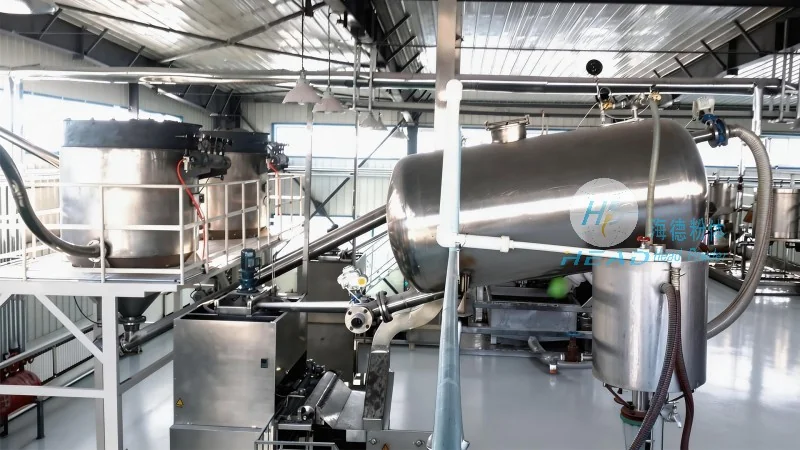
Key Components and Structure of the System
The system comprises several critical components that work in tandem to achieve effective powder transport. The main components include a hopper for material storage, a feeder to control the flow of powder into the system, a compressor to generate the necessary air pressure, a pipeline network for conveying the powder, and a receiver for collecting the material at the destination. Each component is designed with precision to ensure optimal performance and durability. The hopper is typically equipped with a discharge valve and a level indicator to monitor the material level. The feeder, often a rotary valve or a screw feeder, regulates the flow rate of the quartz sand powder, preventing overloading and ensuring consistent air-powder ratio. The compressor, usually an oil-free type to avoid contaminating the powder, provides the high-pressure air required for the conveying process. The pipeline network is constructed from materials resistant to corrosion and abrasion, such as stainless steel or special alloys, to withstand the abrasive nature of quartz sand. The receiver is equipped with a dust collection system to prevent product loss and maintain a clean environment.
Working Principle of the Pneumatic Conveying System
The operational principle of the quartz sand powder pneumatic conveying system is based on the creation of a high-velocity air stream that entrains the powder particles. When the feeder releases the quartz sand powder into the pipeline, the compressed air from the compressor is introduced, creating a flow that lifts and transports the powder. The air-powder mixture travels through the pipeline to the receiver, where the air is separated from the powder and either recirculated or vented. The separation process is crucial to ensure that the powder is collected efficiently and the air is cleaned before release. The system's design allows for both positive and negative pressure operation, providing flexibility in different industrial settings. Positive pressure systems push the air and powder through the pipeline, while negative pressure systems draw the powder into the system using suction. The choice of operation mode depends on the specific application requirements, such as the distance and layout of the conveying path.
Advantages of the Quartz Sand Powder Pneumatic Conveying System
Implementing a quartz sand powder pneumatic conveying system offers several advantages over traditional mechanical conveying methods. Firstly, it eliminates the need for mechanical components like belts or buckets, reducing the risk of product contamination and wear. The system is also highly flexible, allowing for changes in the conveying path without major modifications. Additionally, the system can handle fine powders without causing agglomeration or segregation, which is critical for maintaining the quality of quartz sand. The compact design of the system saves space in industrial facilities, making it suitable for applications with limited floor area. Furthermore, the system operates with minimal maintenance, as there are fewer moving parts compared to mechanical conveyors. This leads to lower operational costs and increased uptime for the facility.
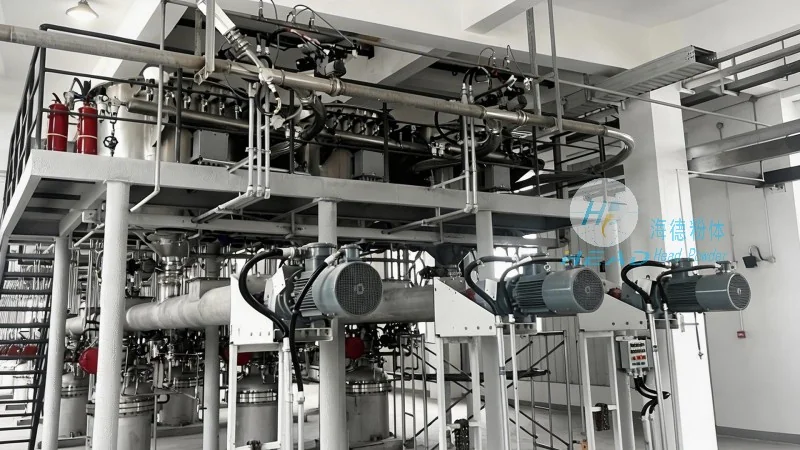
Applications and Industries
The quartz sand powder pneumatic conveying system is widely used in various industries that require the handling of fine powders. Some of the key applications include the glass manufacturing industry, where quartz sand is a primary raw material for glass production. The system is also used in the foundry industry for transporting sand used in mold making. Additionally, the system is employed in the construction industry for handling sand used in concrete production. Other industries that benefit from this technology include the chemical and pharmaceutical sectors, where precise control over powder flow is essential. The system's ability to handle abrasive materials like quartz sand makes it a preferred choice for industries that require high durability and reliability.
Conclusion
In conclusion, the quartz sand powder pneumatic conveying system is a highly efficient and reliable solution for transporting fine quartz sand powder. The system's design, incorporating advanced components and a well-defined operational principle, ensures optimal performance and minimal product degradation. HeadPowder, with its expertise in material handling engineering, has developed this system to meet the diverse needs of various industrial applications. By leveraging the advantages of pneumatic conveying, industries can enhance their operational efficiency, reduce costs, and maintain product quality. The system's flexibility and durability make it a long-term investment for facilities requiring consistent and reliable powder handling solutions.




