For industrial operations that require precise and efficient handling of bulk materials, the fully automatic bulk material pneumatic conveying system stands as a critical piece of equipment. This system is designed to automate the process of transporting various dry powders and granules from one location to another, ensuring consistent performance and minimal human intervention. In this article, we will explore the structure and working principles of such systems, providing a comprehensive overview for professionals in the field.
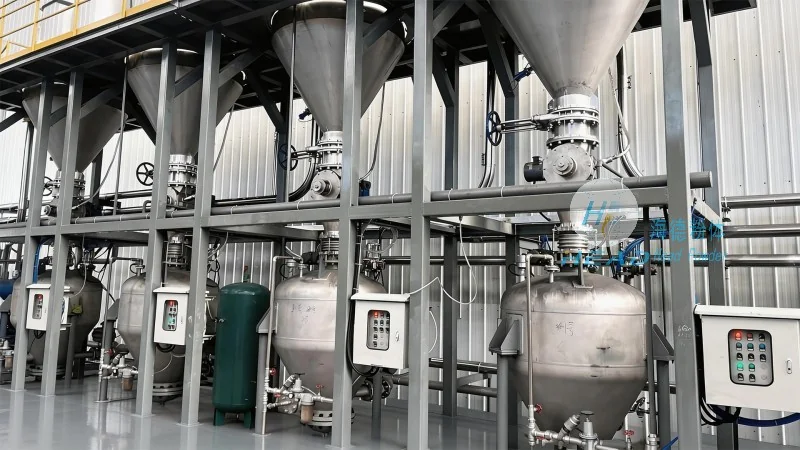
Overview of the Fully Automatic Bulk Material Pneumatic Conveying System
The fully automatic bulk material pneumatic conveying system is engineered to handle a wide range of materials, including but not limited to cement, flour, chemicals, and food products. Its primary function is to transfer these materials through a pipeline network using compressed air or other gases. The system operates under a closed-loop system, which helps maintain product integrity and prevents contamination. This makes it an ideal solution for industries where hygiene and product quality are paramount.
Key Components and Structure of the System
The structure of a fully automatic bulk material pneumatic conveying system consists of several interconnected components, each playing a vital role in the overall operation. The main components include the hopper, feeder, conveying line, and receiver. The hopper serves as the storage container for the bulk material, while the feeder regulates the flow of material into the conveying line. The conveying line, typically made of stainless steel or other corrosion-resistant materials, transports the material through the system. The receiver is where the material is deposited after being conveyed. Additionally, the system may include a filter system to capture any dust or particles, ensuring clean air is returned to the environment.
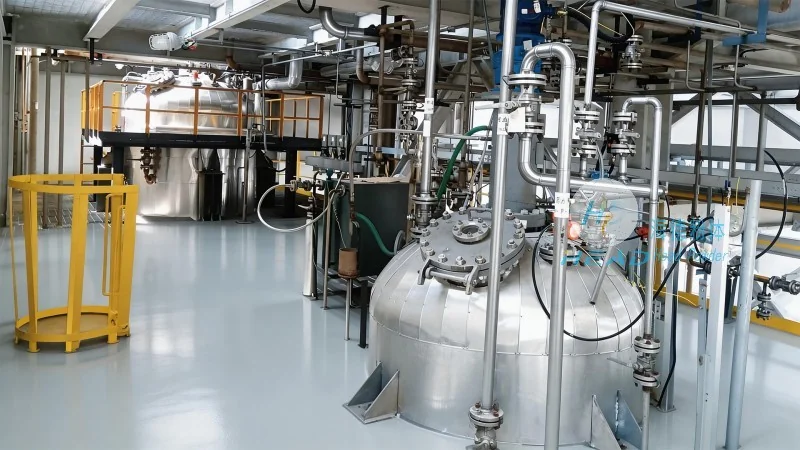
Working Principles of the Pneumatic Conveying Process
The working principle of the fully automatic bulk material pneumatic conveying system is based on the movement of material particles within a gas stream. When compressed air is introduced into the conveying line, it creates a low-pressure zone that draws the material from the hopper into the line. The material is then carried along the pipeline by the moving air, reaching the receiver at the other end. The system uses a combination of positive and negative pressure to control the flow of material, ensuring precise and controlled delivery. The automation aspect of the system allows for real-time monitoring and adjustment of the conveying parameters, such as air pressure and flow rate, to maintain optimal performance.
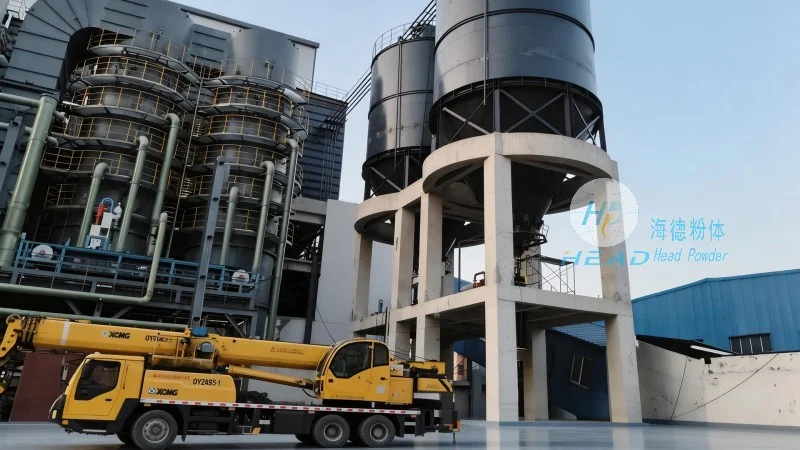
Advantages of Using a Fully Automatic System
Implementing a fully automatic bulk material pneumatic conveying system offers numerous advantages for industrial applications. Firstly, it significantly reduces labor costs by minimizing the need for manual handling and intervention. Secondly, the system enhances product quality by preventing contamination and maintaining consistent material properties. Thirdly, it improves operational efficiency by providing continuous and reliable material transfer. Additionally, the automated control system allows for easy integration with other industrial processes, such as batching and mixing, further streamlining production workflows.
About Shandong HeadPowder Engineering Co., Ltd.
Shandong HeadPowder Engineering Co., Ltd., commonly known as headpowder, is a leading manufacturer of bulk material handling equipment. With a strong commitment to innovation and quality, the company specializes in designing and producing fully automatic pneumatic conveying systems tailored to the specific needs of various industries. Headpowder's products are known for their durability, efficiency, and user-friendly operation, making them a trusted choice for businesses worldwide. The company is headquartered in Shandong, China, and serves clients across the globe with its comprehensive range of solutions.




