Shandong HeadPowder Engineering Co., Ltd., headquartered in Shandong, China, specializes in delivering advanced material handling solutions. This article delves into the principles and application characteristics of fully automatic material feeding and conveying systems, illustrating how these technologies enhance operational efficiency and precision across diverse industrial environments.
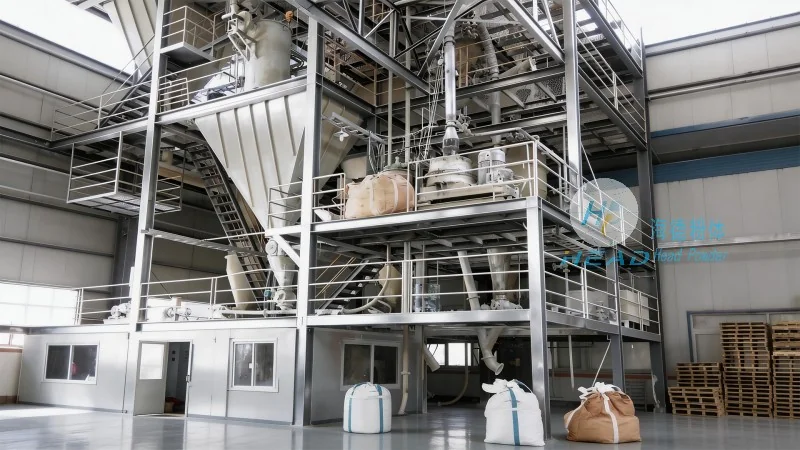
Core Principles of Fully Automatic Material Feeding Systems
The foundation of fully automatic material feeding systems rests on integrated automation technologies that orchestrate material intake, sorting, and transport. At the heart of such systems are sophisticated control mechanisms, often utilizing programmable logic controllers (PLCs) and industrial computers to manage complex operations. Sensors—including proximity detectors, weight scales, and optical scanners—play a pivotal role in ensuring accurate material identification and positioning. These components collaborate seamlessly to create a continuous workflow, minimizing human intervention and reducing the likelihood of operational errors.
Key to the system's functionality is the coordination between feeding mechanisms—such as vibratory feeders, screw conveyors, or belt feeders—and conveying equipment like conveyor belts, chain conveyors, or pneumatic transport systems. The integration of these elements enables uninterrupted material flow, allowing for real-time adjustments based on production demands. For example, a vibratory feeder can be programmed to release materials at a controlled rate, while a conveyor system transports them to the subsequent processing stage. This synergy ensures the entire feeding and conveying process operates with high reliability and consistency.
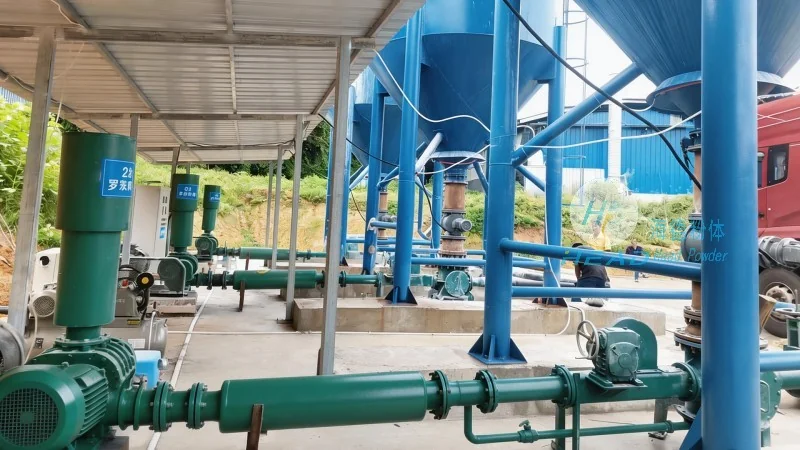
Application Scenarios and Industry-Specific Advantages
Fully automatic material feeding and conveying systems are widely adopted across various industries, each benefiting from tailored solutions that address unique operational challenges. In the chemical industry, for instance, these systems help manage bulk powders and granules, ensuring precise dosing and preventing contamination. The high-precision nature of the technology is critical here, as even minor variations in material feed can impact product quality and safety.
In the pharmaceutical sector, where sterility and compliance with regulatory standards are paramount, fully automatic systems offer enhanced hygiene and traceability. The enclosed design of many conveyor systems, combined with automated cleaning protocols, minimizes cross-contamination risks. Additionally, real-time monitoring capabilities allow for immediate detection of deviations, ensuring adherence to Good Manufacturing Practices (GMP).
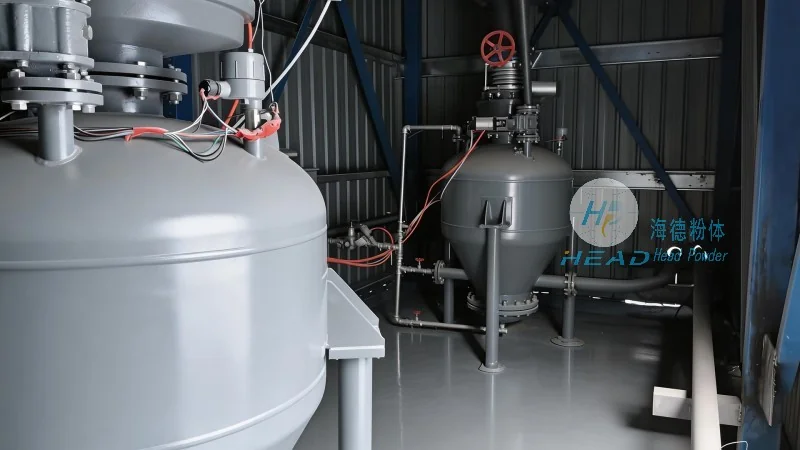
The food and beverage industry also leverages these technologies to maintain product integrity and meet stringent quality standards. Automated feeding systems can handle perishable items, such as grains or spices, with minimal human contact, reducing the risk of contamination. The ability to adjust feed rates dynamically helps optimize production throughput while preserving product freshness.
Key Features and Benefits in Real-World Operations
Several key features distinguish fully automatic material feeding and conveying systems from traditional manual methods. One of the most significant advantages is the reduction in labor costs and human error. By automating the feeding process, companies can achieve higher throughput without increasing the workforce, while maintaining or improving product quality. The systems also offer enhanced safety, as operators are removed from hazardous environments, such as those involving heavy machinery or moving parts.
Another critical benefit is the improved accuracy and consistency of material handling. Automated systems can deliver materials with tight tolerances, which is essential for processes that require precise dosing, such as in chemical mixing or pharmaceutical formulation. This precision reduces waste and minimizes the need for rework, leading to cost savings over time.
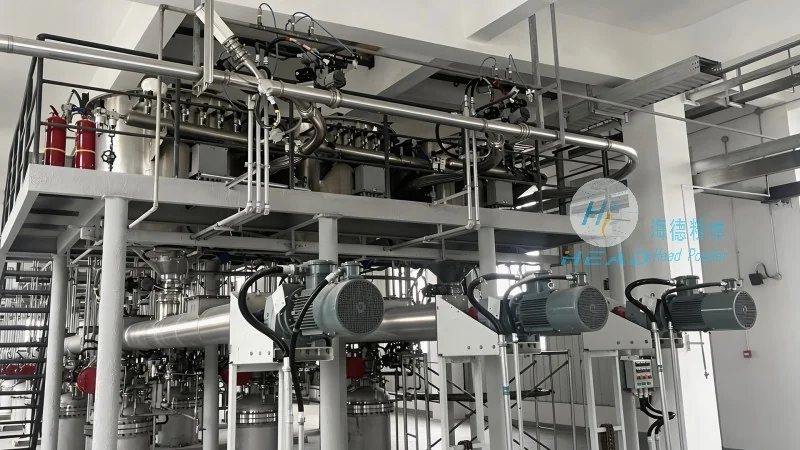
Flexibility is another hallmark of these systems. Many modern designs incorporate modular components that can be reconfigured to accommodate different material types or production volumes. This adaptability allows manufacturers to scale operations without significant capital investment, making fully automatic systems a viable long-term solution for growing businesses.
Conclusion: The Future of Material Handling with Fully Automatic Systems
As industries continue to evolve, the demand for efficient and reliable material handling solutions remains high. Fully automatic material feeding and conveying systems, developed by companies like Shandong HeadPowder Engineering Co., Ltd., represent a significant advancement in this field. By integrating advanced automation, precision control, and robust design, these systems address the challenges of modern manufacturing, enabling businesses to enhance productivity, reduce costs, and maintain high standards of quality and safety.




