

What is a Glass Bead Powder Pneumatic Conveying System? And What Are Its Design Principles?
Understanding the glass bead powder pneumatic conveying system is crucial for industries dealing with fine particulate materials like glass beads. This system is designed to transport these materials efficiently and reliably, often in industrial settings where traditional bulk handling methods may be less suitable. The following article delves into the core components, operational principles, and design considerations of such a system, providing a comprehensive overview for professionals in the field.
Introduction to Glass Bead Powder Pneumatic Conveying Systems
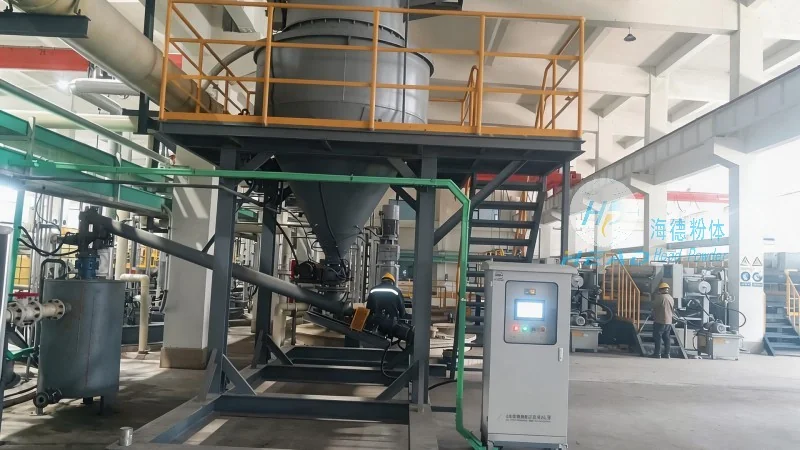
A glass bead powder pneumatic conveying system is a specialized equipment setup used to transport fine glass bead powders through a pipeline using air or other gas as the conveying medium. Unlike mechanical conveying systems that rely on physical contact and movement, pneumatic conveying systems use the force of compressed air to move the material. This method is particularly advantageous for glass beads due to their lightweight nature and potential for dust generation during handling. The system typically consists of several key components, including a hopper, feeder, conveying line, and a receiver, all working in tandem to ensure smooth material transfer.
Key Components of the Pneumatic Conveying System
The design of a glass bead powder pneumatic conveying system begins with the selection and integration of essential components. The hopper serves as the storage vessel, holding the glass bead powder before it is fed into the system. It is usually equipped with a level indicator to monitor the material volume. The feeder, often a rotary valve or a screw feeder, controls the flow rate of the glass beads into the conveying line. This component is critical for maintaining a consistent material feed, preventing blockages, and ensuring stable system operation. The conveying line itself is a sealed pipeline that transports the glass beads and air mixture. It may include bends, elbows, or expansion joints to accommodate changes in direction or elevation. The receiver, located at the end of the line, collects the conveyed glass beads and discharges them into a storage or processing area.
Working Principle of the Pneumatic Conveying System
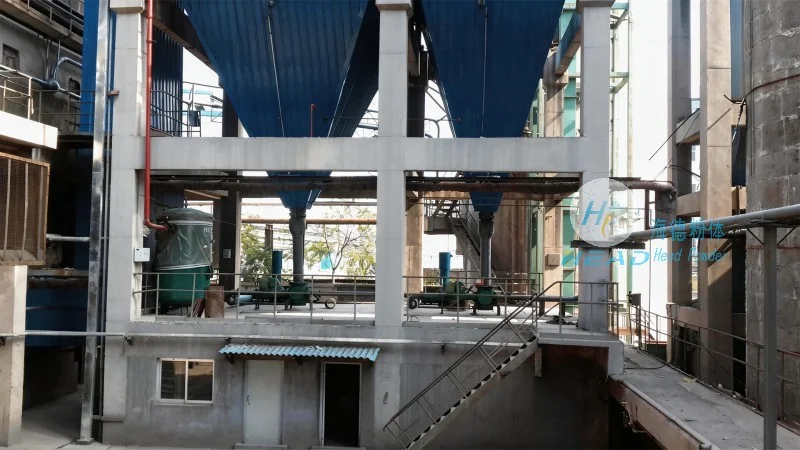
The operational principle of a glass bead powder pneumatic conveying system is based on the creation of a low-pressure zone within the conveying line. A compressor or blower generates compressed air, which is introduced into the system. The feeder then releases the glass beads into the line, and the air flow entrains the particles, carrying them through the pipeline. The air velocity is carefully controlled to ensure that the glass beads are fully suspended and transported without settling or clogging. The system may use either positive pressure (air blowing the material forward) or negative pressure (air sucking the material into the line), depending on the specific application and layout. For glass beads, positive pressure systems are commonly preferred due to their ability to handle longer distances and higher material loads efficiently.
Design Principles and Considerations
Designing an effective glass bead powder pneumatic conveying system involves several key principles and considerations. First, the system must be designed to handle the specific properties of glass beads, such as their particle size, density, and flow characteristics. The particle size distribution is crucial, as it affects the air velocity required for proper suspension. Larger particles may require higher air velocities to prevent settling, while smaller particles might need lower velocities to avoid excessive wear on system components. The system's layout is also critical, as it must account for the distance between the hopper and the receiver, as well as any changes in elevation. The choice of materials for the conveying line and components is another important factor, as glass beads can be abrasive and may cause wear over time. Stainless steel or special coatings are often used to ensure durability and prevent corrosion. Additionally, the system must be equipped with proper filtration and dust collection to comply with environmental regulations and maintain air quality. The control system, which includes sensors and automation, plays a vital role in monitoring and adjusting the system's operation in real-time, ensuring optimal performance and preventing operational issues.
Advantages of Using a Glass Bead Powder Pneumatic Conveying System
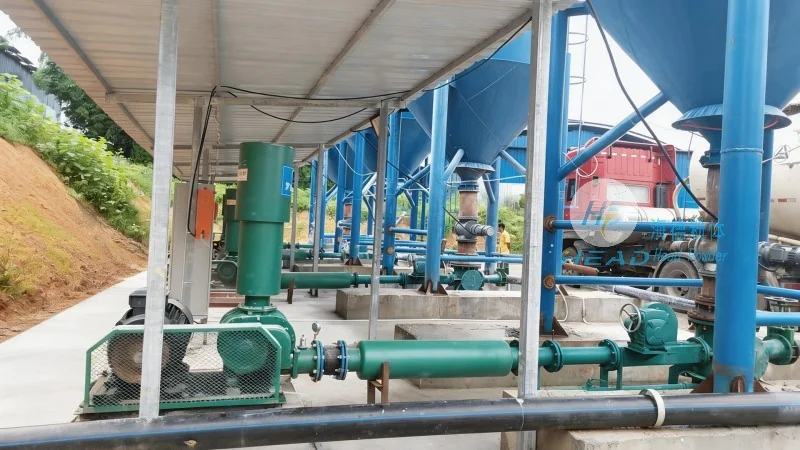
Implementing a glass bead powder pneumatic conveying system offers several advantages over traditional handling methods. One of the primary benefits is the ability to transport materials over long distances without the need for intermediate transfer points. This reduces the risk of material loss and contamination, as the system operates in a closed environment. The system also minimizes labor costs by automating the material handling process, reducing the need for manual loading and unloading. Additionally, pneumatic conveying systems are more flexible in terms of layout, allowing for easy integration into existing industrial facilities. They can handle a wide range of material types and flow rates, making them suitable for various applications. The system's ability to maintain material integrity is another significant advantage, as it prevents the glass beads from being exposed to external contaminants or moisture, which could affect their quality and performance.
Applications and Industries
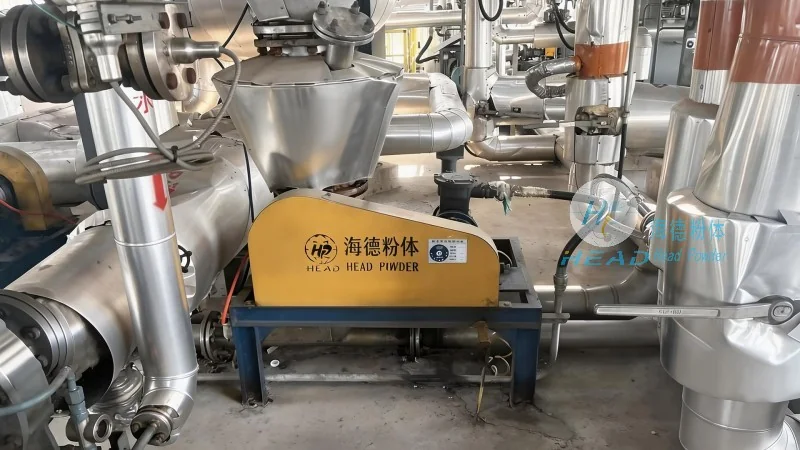
Glass bead powder pneumatic conveying systems are widely used in various industries that rely on fine glass bead powders. These include the glass manufacturing industry, where glass beads are used as raw materials or additives in the production of glass products. The automotive industry also utilizes glass beads in applications such as coating and polishing. Additionally, the construction industry uses glass beads in concrete and asphalt mixtures for enhanced durability and reflective properties. The aerospace and electronics industries benefit from glass beads in applications like thermal insulation and surface finishing. The versatility of the glass bead powder pneumatic conveying system makes it an essential tool for these industries, enabling efficient and reliable material handling.
Conclusion
In conclusion, a glass bead powder pneumatic conveying system is a sophisticated and efficient method for transporting fine glass bead powders. Its design, based on pneumatic principles, offers numerous advantages over traditional mechanical systems, including flexibility, reliability, and material integrity preservation. The system's components, working principles, and design considerations are carefully tailored to meet the specific needs of glass bead handling, ensuring optimal performance in various industrial applications. As industries continue to demand higher efficiency and automation in material handling, such systems remain a critical component in modern manufacturing processes. The expertise of companies like Shandong HeadPowder Engineering Co., Ltd., based in China, plays a vital role in designing and implementing these systems, providing tailored solutions for diverse industrial needs.