

What is a Coal and Coke Powder Pneumatic Conveying System? What are its Design Principles?
This section introduces the fundamental concept of coal and coke powder pneumatic conveying systems, explaining their role in industrial material handling. The system is designed to transport fine powders like coal and coke through a pressurized or vacuum environment using air or other gas as the conveying medium. Such systems are critical in various industrial processes, enabling efficient and safe movement of bulk materials from one location to another without the need for mechanical components like belts or buckets.
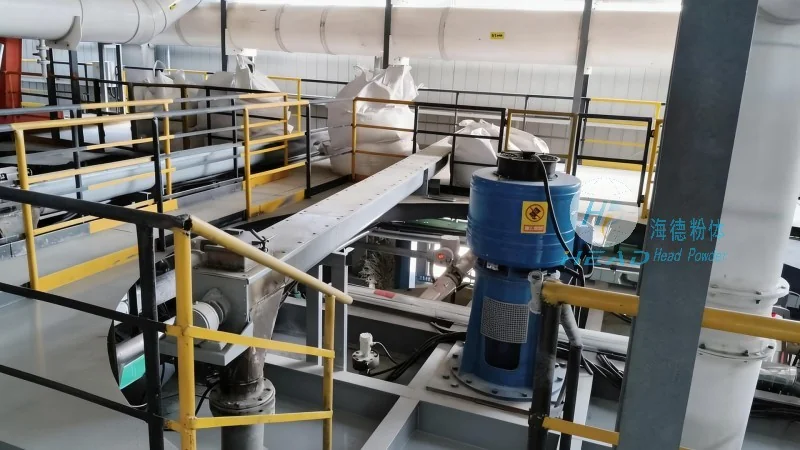
Core Components and Working Principle
The core components of a coal and coke powder pneumatic conveying system typically include a hopper for material storage, a conveyor line (either a pipeline or a flexible hose), a blower or vacuum pump to generate the necessary airflow, and a control system to regulate the conveying process. The working principle involves feeding the powder into the hopper, where it is then drawn or pushed through the pipeline by the airflow generated by the blower. The air and powder mixture travels through the pipeline to the destination point, where the powder is separated from the air using a separator or cyclone, and the air is either recirculated or vented. This process ensures that the material is transported efficiently and without contamination.
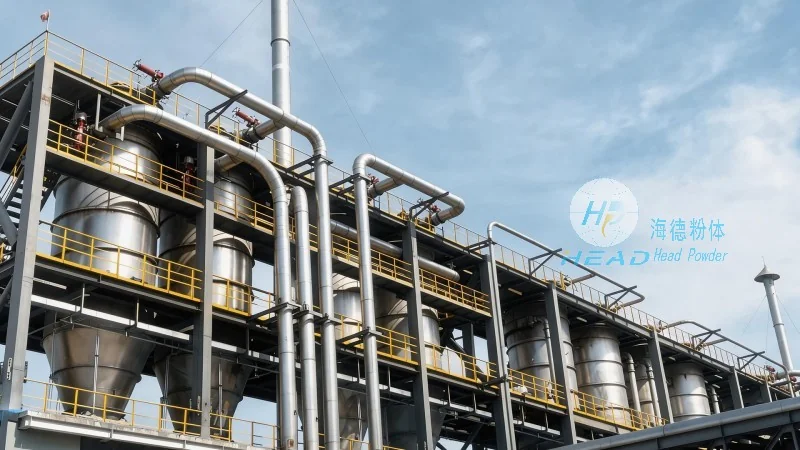
Design Principles for Efficient Operation
Designing an effective coal and coke powder pneumatic conveying system requires careful consideration of several key principles. First, the system must be designed to handle the specific properties of the powder, such as particle size, density, and moisture content. The pipeline diameter and material must be selected to prevent blockages and ensure smooth flow. Second, the air velocity must be optimized to balance the need for efficient transport with energy efficiency. Too low a velocity may cause clogging, while too high a velocity increases energy consumption. Third, the system must incorporate proper dust control measures to prevent environmental contamination and ensure workplace safety. Additionally, the design should consider the overall system layout to minimize pressure drops and ensure consistent performance.
Application Scenarios and Industry Relevance
Coal and coke powder pneumatic conveying systems are widely used in various industrial sectors, including power generation, steel production, and chemical processing. In power plants, these systems are used to transport coal from storage to the boiler, ensuring a continuous and reliable fuel supply. In steel mills, they are employed to convey coke from the coking plant to the blast furnace, facilitating the production process. In chemical plants, they are used to transport various powders, such as limestone or limestone dust, for processing. The versatility of these systems makes them suitable for a wide range of applications, providing a cost-effective and efficient solution for material handling.
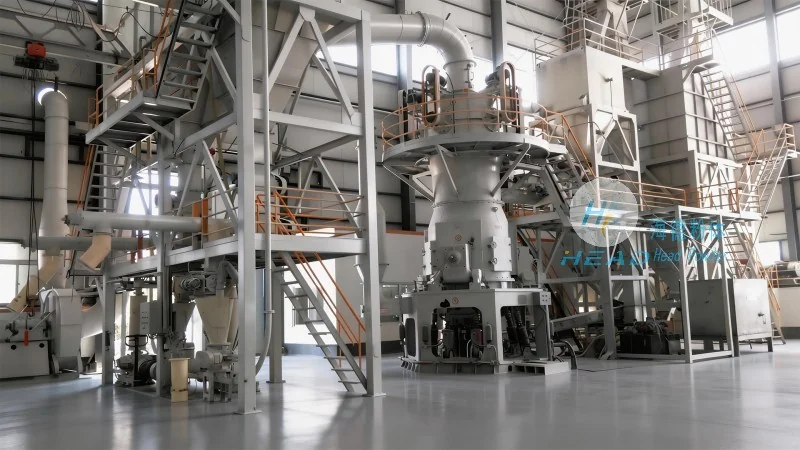
Company Profile and Technical Expertise
Shandong HeadPowder Engineering Co., Ltd., commonly known as HeadPowder, is a leading provider of industrial material handling solutions, specializing in the design and manufacturing of coal and coke powder pneumatic conveying systems. With a strong presence in China, the company has extensive experience in developing customized systems tailored to the specific needs of its clients. HeadPowder's team of engineers and technicians leverages advanced technology and rigorous testing to ensure that each system meets the highest standards of performance and reliability. The company's commitment to quality and customer satisfaction has earned it a reputation as a trusted partner in the industry, providing innovative solutions for efficient material transport.