Electrode dust, also known as calcium carbide dust, is a byproduct generated during the production of calcium carbide. This material poses challenges in handling due to its fine particle size and potential reactivity. Pneumatic conveying technology offers an efficient solution for transporting this dust, with two primary system types: negative pressure (vacuum) and positive pressure (pressure) systems. This article provides a detailed analysis of both approaches, highlighting their technical principles, advantages, and practical applications in industrial settings.
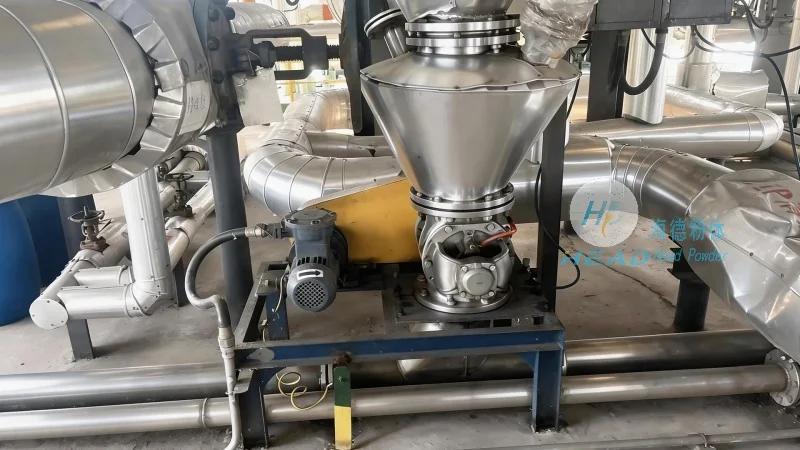
Understanding Negative Pressure (Vacuum) Pneumatic Conveying
Negative pressure systems operate by creating a vacuum at the conveying point, drawing material from the source into the pipeline. The key components include a vacuum pump, a dust collection hopper, and a conveying line. As air is drawn through the system, it carries the electrode dust particles from the hopper to the discharge point. This method is particularly effective for long-distance or multi-point collection, as it can draw material from multiple sources into a central collection point. The vacuum pump's capacity and the system's design (e.g., pipeline diameter, bends, and filters) are critical factors influencing the conveying efficiency and particle size handling. Negative pressure systems are often preferred for applications requiring gentle material handling, minimizing particle breakage and maintaining product integrity.
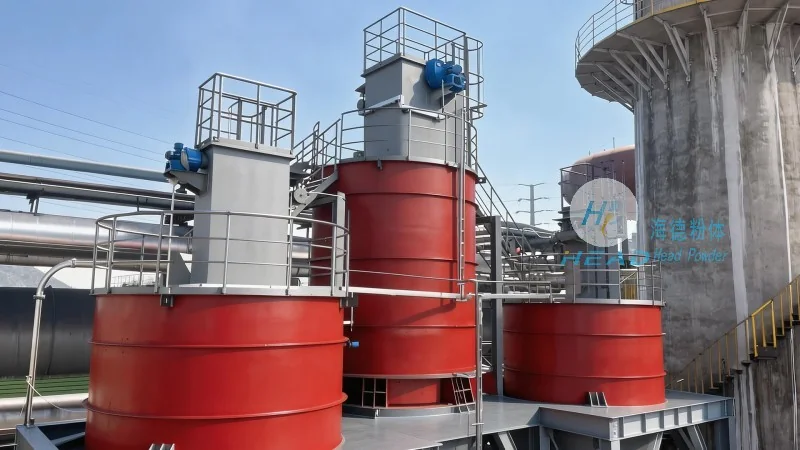
Advantages and Limitations of Negative Pressure Systems
One of the primary advantages of negative pressure systems is their ability to handle fine particles and prevent dust dispersion, which is crucial for maintaining environmental compliance. The vacuum environment reduces the risk of dust leakage and improves safety in industrial facilities. However, these systems have limitations, such as lower conveying distances compared to positive pressure systems and higher energy consumption due to the continuous operation of the vacuum pump. Additionally, the system's complexity increases with longer pipelines or multiple collection points, requiring careful design and maintenance to ensure consistent performance.
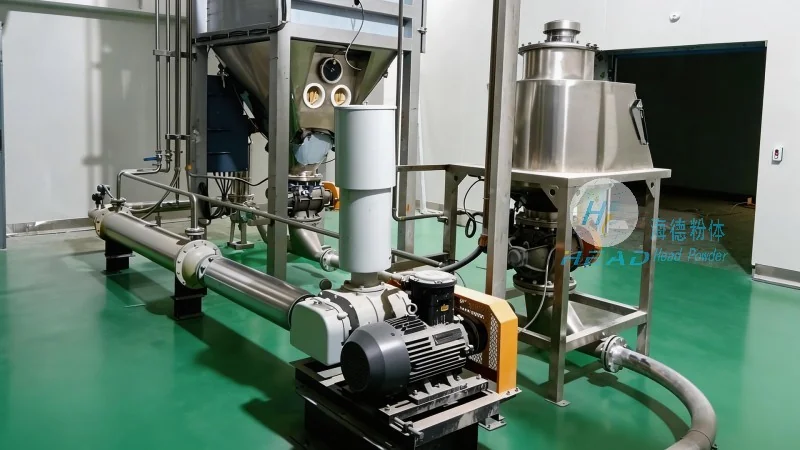
Exploring Positive Pressure (Pressure) Pneumatic Conveying
Positive pressure systems, conversely, use a blower or compressor to generate pressure within the pipeline, pushing material from the source to the discharge point. The system typically includes a material feeder, a pressure vessel, and a conveying line. The pressure is maintained by the blower, which forces air (or a carrier gas) through the pipeline, carrying the electrode dust particles. This method is suitable for short to medium-distance conveying and can handle larger particle sizes with less risk of clogging. Positive pressure systems are often more energy-efficient for shorter distances and simpler to install compared to negative pressure systems. However, they may not be as effective for long-distance applications or when dealing with very fine particles, as the pressure drop over long pipelines can reduce conveying capacity.
Key Technical Considerations for Both Systems
When selecting between negative and positive pressure systems for electrode dust handling, several technical factors must be evaluated. The particle size distribution of the electrode dust is a critical parameter, as finer particles may require higher air velocities or different system designs to prevent clogging. The system's capacity, determined by the required flow rate, also influences the choice of pump or blower size. Additionally, the distance between the source and discharge point, as well as the number of bends and fittings in the pipeline, affect the overall pressure drop and conveying efficiency. Proper filtration is essential in both systems to prevent dust accumulation in the pump or blower, ensuring long-term operational reliability. Regular maintenance, including cleaning filters and checking for leaks, is necessary to maintain optimal performance and prevent system downtime.
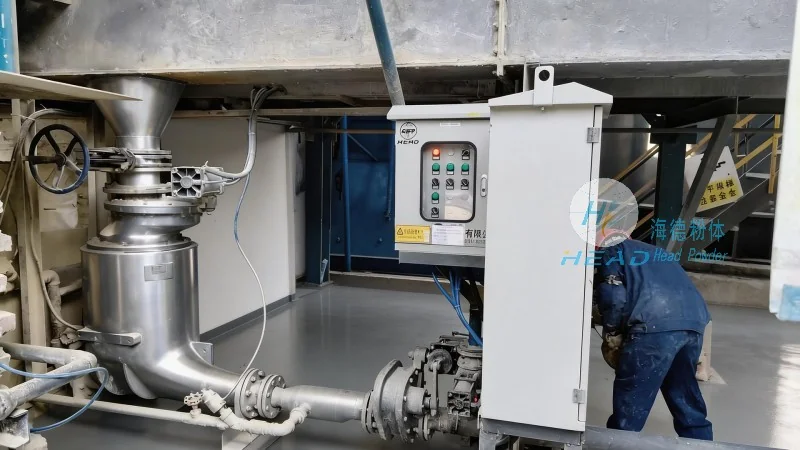
Application Scenarios and Practical Examples
The choice between negative and positive pressure systems depends on the specific application requirements. For example, a facility with multiple dust collection points from different production lines may benefit from a negative pressure system to centralize the dust collection and transport it to a processing or disposal unit. In contrast, a plant with a single source and short-distance transport to a storage silo might opt for a positive pressure system due to its simplicity and lower energy costs. Real-world applications of these systems in the calcium carbide industry have demonstrated improved material handling efficiency, reduced labor costs, and enhanced environmental safety. Companies like Shandong HeadPowder Engineering Co., Ltd. specialize in designing and implementing customized pneumatic conveying solutions tailored to the unique needs of electrode dust processing, ensuring optimal performance and compliance with industry standards.




