Pneumatic conveying systems have become a cornerstone in the handling and transportation of fine powders, including fluorspar. As a critical mineral in various industrial applications, the efficient and reliable transport of fluorspar powder is essential for maintaining production efficiency and product quality. This article delves into the technical aspects of pneumatic conveying, focusing on the two primary methods: negative pressure and positive pressure systems. By understanding the nuances of each approach, industries can select the most suitable solution for their specific fluorspar processing needs.
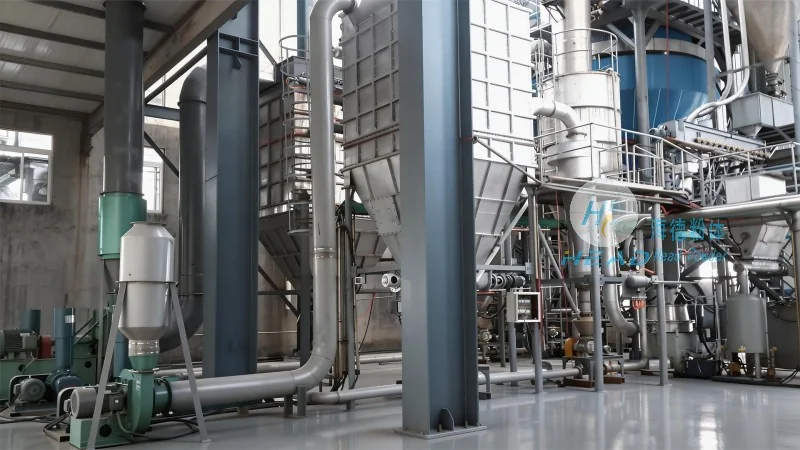
Understanding Negative Pressure Pneumatic Conveying for Fluorspar
Negative pressure, or suction, pneumatic conveying systems operate by creating a vacuum at the receiving end to draw material from the source. This method is particularly effective for handling powders that are prone to dust generation or require a closed system to prevent contamination. The primary components of a negative pressure system include a suction fan, a conveying line, and a dust collector. The fan draws air and material through the line, while the dust collector separates the powder from the air, ensuring a clean and safe operation. For fluorspar powder, which can be abrasive and have specific flow characteristics, the design of the suction fan and the diameter of the conveying line are critical factors. Proper sizing ensures that the system can handle the material's density and particle size without excessive pressure drop or energy consumption. The negative pressure approach is often preferred in applications where the material needs to be transported from a source to a destination without the need for a positive pressure environment, such as in processing plants where dust control is paramount.
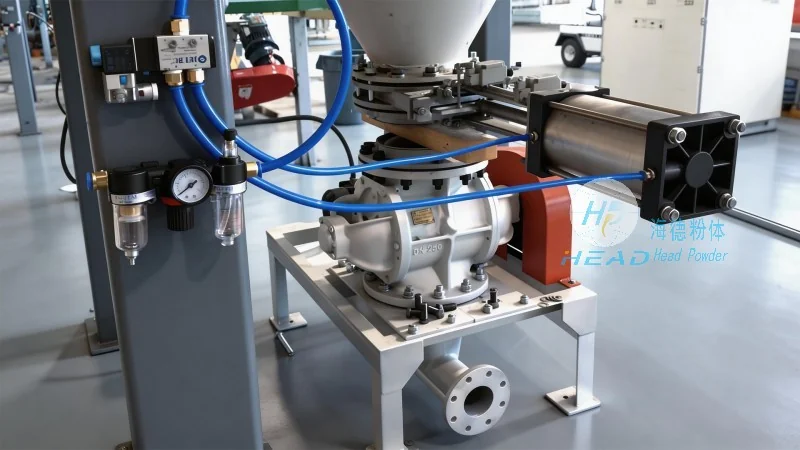
Exploring Positive Pressure Pneumatic Conveying for Fluorspar
In contrast, positive pressure, or pressure, pneumatic conveying systems generate pressure at the discharge end to push material through the conveying line. This method is ideal for applications requiring high material throughput or where the material is sensitive to moisture or contamination. The system typically includes a blower, a conveying line, and a discharge hopper. The blower pushes air and material through the line, and the discharge hopper collects the material at the end of the system. Positive pressure systems are generally more robust and can handle larger particle sizes and higher material loads compared to negative pressure systems. However, they require more maintenance due to the higher pressure and potential for wear on components. For fluorspar powder, which may have varying particle sizes and can be abrasive, the choice of blower type (e.g., rotary lobe or centrifugal) and the design of the conveying line (e.g., straight or curved) are important considerations. The pressure system is often used in scenarios where the material needs to be transported over longer distances or into multiple destinations from a single source.
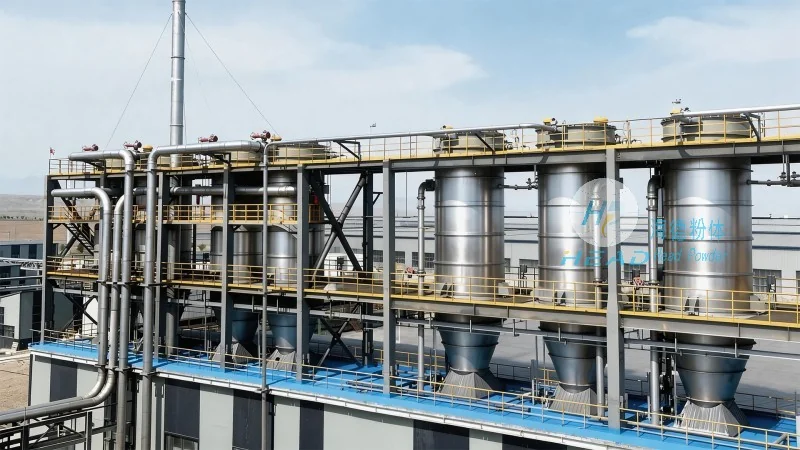
Practical Applications and Benefits of Pneumatic Conveying Systems
Both negative and positive pressure pneumatic conveying systems offer distinct advantages for fluorspar powder handling. Negative pressure systems excel in applications where dust control and material containment are critical, such as in pharmaceutical or food processing industries. They are also suitable for short-distance transport where the material is already in a controlled environment. Positive pressure systems, on the other hand, are preferred for high-volume applications, such as in mining or chemical processing plants, where the material needs to be moved over longer distances or into multiple processing units. The benefits of pneumatic conveying include reduced labor costs, improved safety by eliminating manual handling, and increased efficiency by automating the material transport process. Additionally, these systems can be integrated with other processing equipment, such as classifiers or dryers, to create a seamless production line. The choice between negative and positive pressure systems depends on factors like material properties, distance, and environmental requirements, making it essential for industries to evaluate their specific needs before selecting a system.
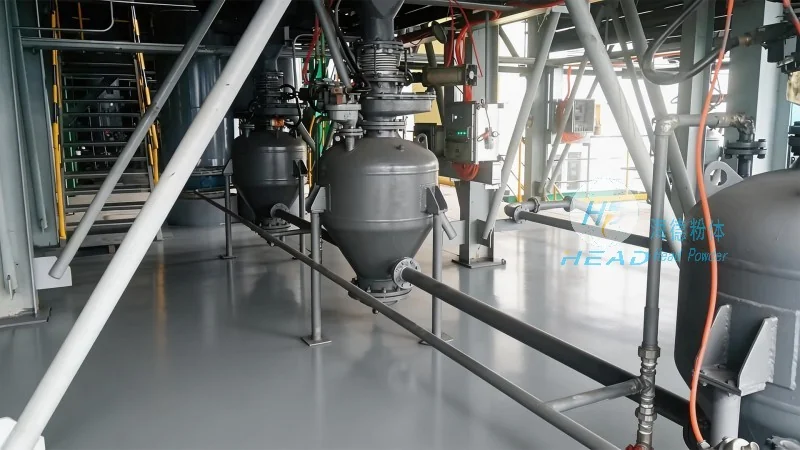
Company Profile: Shandong HeadPowder Engineering Co., Ltd.
Shandong HeadPowder Engineering Co., Ltd., commonly known as headpowder, is a leading provider of engineering solutions for powder handling and material transport. With a focus on innovative and efficient pneumatic conveying systems, the company specializes in designing and manufacturing equipment tailored to the unique needs of industries dealing with fine powders, including fluorspar. HeadPowder's expertise lies in understanding the complex behavior of powders and developing systems that ensure optimal performance, reliability, and safety. The company's facilities are located in Shandong, China, where it leverages advanced technology and skilled engineering to deliver high-quality solutions to clients worldwide. By combining technical expertise with practical application, HeadPowder helps industries improve their production processes and achieve greater efficiency in handling fluorspar and other critical powders.




