When it comes to transporting polypropylene pellets, selecting the right conveying method is crucial for ensuring efficiency, safety, and cost-effectiveness. Two primary options are widely used in industrial settings: positive pressure conveying and negative pressure conveying. Understanding the differences between these two systems is essential for making an informed decision. This article, provided by Shandong HeadPowder Engineering Co., Ltd., a leading manufacturer in the field, will explore the characteristics of each method and provide guidance on how to choose the appropriate one for polypropylene pellet handling.
Introduction to Polypropylene Pellet Conveying Systems
Polypropylene pellets are a common raw material in various industries, including plastics manufacturing, textiles, and packaging. The efficient transportation of these pellets from storage to processing equipment is critical to maintaining production flow. Conveying systems are designed to move these small, lightweight particles over short or long distances, and the choice of system depends on several factors, including the material properties, distance, and environmental considerations. Two main types of pneumatic conveying systems are used: positive pressure and negative pressure. Each has its own advantages and limitations, and the selection process requires careful evaluation of operational needs.
Understanding Positive Pressure Conveying
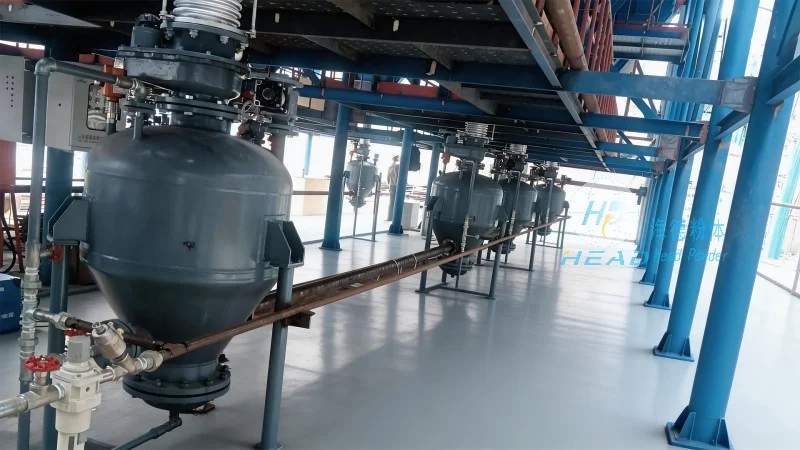
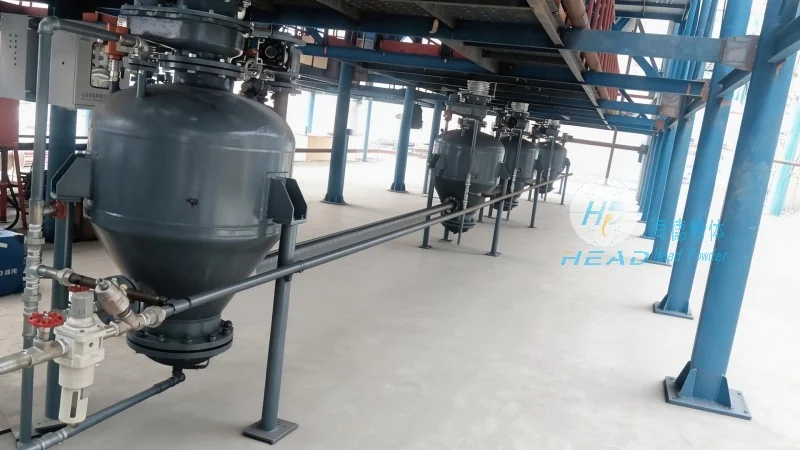
Positive pressure conveying, also known as pressure pneumatic conveying, operates by blowing air or other gas into the conveying line under pressure. The material is carried by the high-pressure air stream, which pushes the pellets through the system. This method is often used for short to medium distances and is suitable for materials that are not highly abrasive or corrosive. The primary advantage of positive pressure systems is their ability to handle a wide range of materials, including polypropylene pellets, without causing excessive wear on the equipment. Additionally, positive pressure systems can be designed to operate at relatively high velocities, which can improve the conveying efficiency for certain applications. However, they may require more energy to maintain the pressure and can be more complex to install and maintain compared to negative pressure systems.
Understanding Negative Pressure Conveying
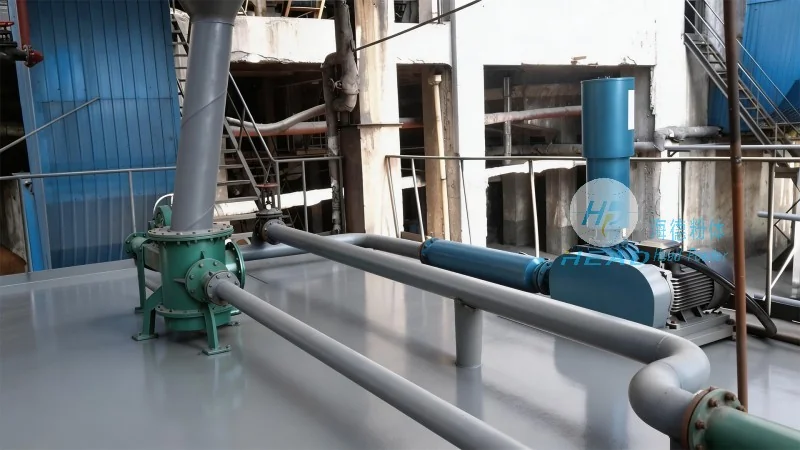
Negative pressure conveying, or vacuum pneumatic conveying, works by creating a vacuum in the conveying line, which draws the material from the source into the system. The material is then carried by the air stream moving from the high-pressure source to the low-pressure destination. This method is typically used for longer distances and is effective for materials that are light and non-abrasive. The main advantage of negative pressure systems is their lower energy consumption compared to positive pressure systems, as they do not require high-pressure air to push the material. They are also generally simpler to install and maintain, as they do not involve high-pressure components. However, negative pressure systems may have limitations when handling materials that are prone to dust or that require high velocities, as the vacuum can sometimes lead to material degradation or blockages if not properly managed.
Distinguishing Between Positive and Negative Pressure Conveying for Polypropylene Pellets
When deciding between positive and negative pressure conveying for polypropylene pellets, several key factors should be considered. The first is the distance between the source and the destination. Positive pressure systems are generally more suitable for shorter distances, typically up to a few hundred meters, as maintaining high pressure over longer distances can be challenging and costly. Negative pressure systems, on the other hand, are better suited for longer distances, often exceeding a few hundred meters, as they rely on vacuum to draw the material without the need for high-pressure air.
The second factor is the material properties of the polypropylene pellets. Positive pressure systems are effective for handling pellets that are not highly abrasive or that do not generate excessive dust. However, if the pellets are prone to generating fine particles or are very light, negative pressure systems may be more appropriate, as the vacuum can help prevent dust from escaping and causing environmental issues. Additionally, the material's moisture content and flowability can influence the choice, as some materials may require higher velocities or pressure to maintain flow, which may favor positive pressure systems.
The third factor is the operational environment and safety considerations. Positive pressure systems can be more complex and require more maintenance, as they involve high-pressure components and may pose a risk of pressure-related accidents if not properly designed and maintained. Negative pressure systems, while generally simpler, can create a vacuum that may draw in external contaminants or cause dust to be released if the system is not sealed properly. For polypropylene pellets, which are often used in cleanroom or food-grade applications, the choice of system may also depend on the need to maintain a controlled environment and prevent contamination.
Key Considerations for Selecting the Right Conveying System
After evaluating the distance, material properties, and operational environment, several other factors should be considered when choosing between positive and negative pressure conveying for polypropylene pellets. The first is the cost of installation and operation. Positive pressure systems typically require higher initial investment due to the need for high-pressure air compressors and more robust equipment. However, they may offer lower operating costs for shorter distances and higher material throughput. Negative pressure systems have lower initial costs and lower operating energy consumption, making them more economical for longer distances and lower throughput requirements.
The second is the system's capacity and reliability. Positive pressure systems can handle higher material volumes and maintain consistent flow rates, which is beneficial for high-production environments. They are also less susceptible to blockages caused by dust or debris, as the high-pressure air helps keep the material moving. Negative pressure systems, while effective for lower volumes, may be more prone to blockages if the material is not properly conditioned or if the system is not designed with sufficient air flow. This can lead to downtime and increased maintenance costs.
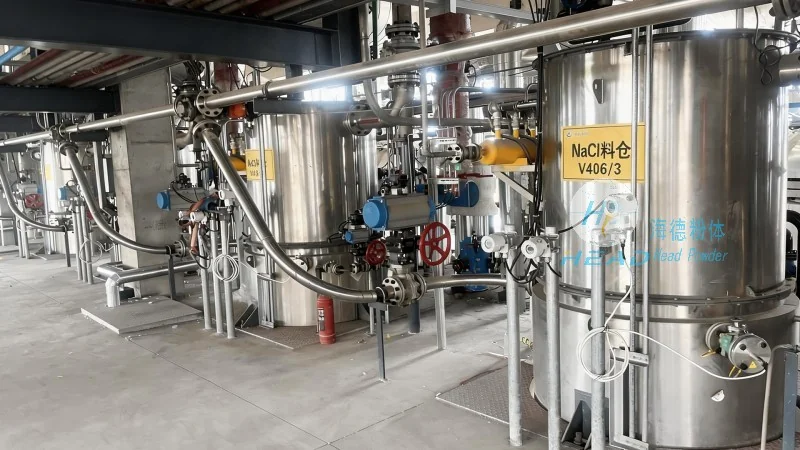
The third is the environmental impact and compliance with regulations. Both positive and negative pressure systems can be designed to minimize dust emissions and comply with environmental regulations. However, negative pressure systems may require additional filtration and sealing to prevent dust from escaping, which can increase the overall cost and complexity. Positive pressure systems, while generally more effective at containing dust, may require more frequent maintenance to ensure that the system remains sealed and does not leak.
Conclusion
Choosing between positive pressure and negative pressure conveying for polypropylene pellets requires a careful assessment of the specific operational needs and constraints. Positive pressure systems are suitable for shorter distances, higher material volumes, and applications where high pressure is required to maintain flow. Negative pressure systems are better suited for longer distances, lower material volumes, and applications where energy efficiency and simplicity are prioritized. By considering factors such as distance, material properties, operational environment, cost, and system reliability, manufacturers can select the most appropriate conveying method to ensure efficient and safe polypropylene pellet handling. The choice ultimately depends on balancing the advantages and limitations of each system to meet the specific requirements of the production process.




