

What is a Rice Powder Pneumatic Conveying Line? And What Are Its Design Principles?
When it comes to handling and transporting rice powder efficiently, the rice powder pneumatic conveying line has emerged as a crucial solution in the processing industry. This system leverages the principles of pneumatic transport to move bulk materials like rice powder from one location to another, offering advantages such as reduced contamination, improved safety, and enhanced operational efficiency. In this article, we will explore what a rice powder pneumatic conveying line is and delve into its fundamental design principles, providing insights into how this technology works and its practical applications.
Understanding the Rice Powder Pneumatic Conveying Line
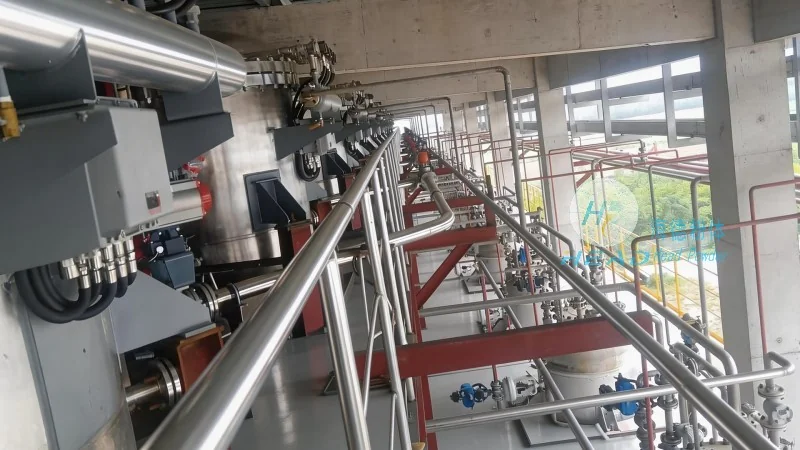
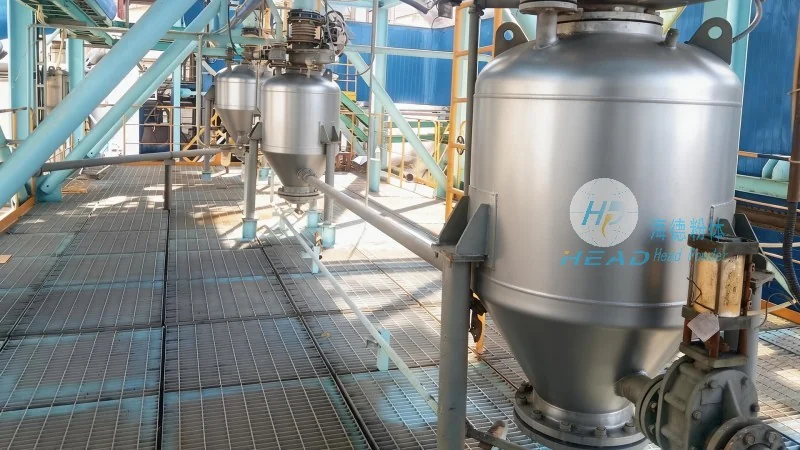
A rice powder pneumatic conveying line is a specialized system designed to transport rice powder and other similar dry powders through a pipeline using air or gas as the conveying medium. Unlike traditional mechanical conveying methods, which rely on belts, screws, or buckets, pneumatic conveying utilizes the force of air to move the material, making it particularly suitable for handling fine powders that are prone to dust, caking, or segregation. The system typically consists of several key components, including a hopper for material storage, a feeder to control the flow rate, a conveying pipe network, a vacuum or pressure source to generate the airflow, and a receiver or discharge point where the material is deposited.
Key Components and Their Functions
Each component of the rice powder pneumatic conveying line plays a vital role in ensuring smooth and reliable operation. The hopper serves as the storage vessel, holding the rice powder until it is needed for transport. It is usually equipped with a lid to prevent contamination and maintain material quality. The feeder, often a rotary valve or a metering device, regulates the flow of rice powder into the conveying line, ensuring a consistent and controlled feed rate. This is critical to prevent overloading the system and to maintain the desired conveying velocity. The conveying pipe network is the main pathway for the material and air mixture, typically made of stainless steel or other corrosion-resistant materials to handle the abrasive nature of rice powder. The vacuum or pressure source, such as a fan or a blower, generates the airflow necessary to move the rice powder through the pipes. The receiver or discharge point is where the material is collected after being transported, often equipped with a dust collection system to capture any particles that may escape during the process.
Design Principles for Efficient Rice Powder Conveying
The design of a rice powder pneumatic conveying line is based on several key principles to ensure optimal performance and minimize operational issues. One of the primary principles is maintaining a consistent conveying velocity, which is determined by the material's properties, such as particle size, density, and moisture content, as well as the air flow rate. The velocity must be high enough to prevent material settling or clogging in the pipes but low enough to avoid excessive wear and energy consumption. Another critical principle is the use of appropriate pipe diameters and angles. The pipe diameter is chosen based on the expected flow rate and material characteristics, while the angles of the bends and transitions are designed to minimize pressure losses and prevent material accumulation. Additionally, the system is designed to maintain a positive pressure or vacuum level throughout the conveying process, depending on the application, to ensure that the material is continuously moved without any backflow or stagnation.
Advantages of Rice Powder Pneumatic Conveying Lines
Implementing a rice powder pneumatic conveying line offers several advantages over traditional conveying methods. Firstly, it provides a clean and hygienic method of transporting rice powder, as the material is enclosed within the pipeline, reducing the risk of contamination from external sources. This is particularly important in food processing applications where product safety and quality are paramount. Secondly, the system is highly flexible, allowing for changes in the conveying route or capacity without major modifications to the infrastructure. This makes it suitable for both small-scale and large-scale operations. Thirdly, pneumatic conveying is energy-efficient compared to mechanical methods, as it uses less power to move the material over long distances. Finally, the system is relatively low-maintenance, with fewer moving parts compared to mechanical conveyors, reducing the risk of breakdowns and downtime.
Applications in the Rice Processing Industry
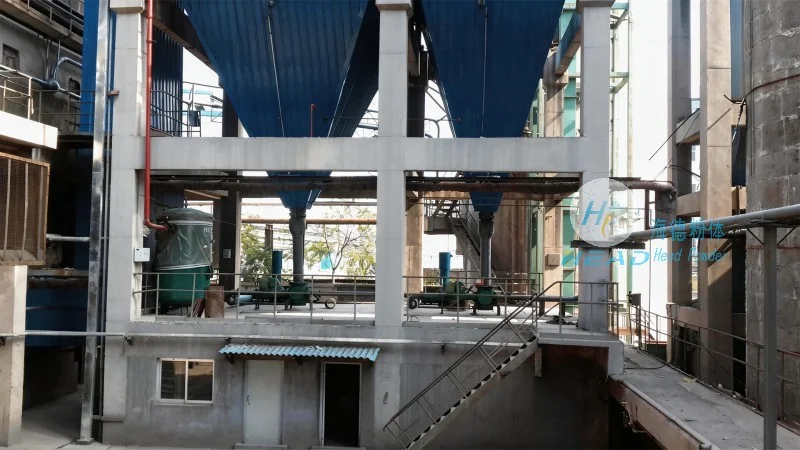
Rice powder pneumatic conveying lines are widely used in various stages of the rice processing industry. In the milling process, they are used to transport raw rice from storage to the milling machines and to move the resulting rice flour or bran to storage facilities. In the packaging stage, the system can be used to transfer the finished rice powder products to packaging lines, ensuring a continuous and efficient supply of material. Additionally, the system is used in research and development facilities to transport test samples of rice powder for quality control and analysis. The versatility of the pneumatic conveying line makes it an essential tool for any rice processing facility looking to improve its operational efficiency and product quality.
Conclusion
In conclusion, a rice powder pneumatic conveying line is a sophisticated system that leverages the principles of pneumatic transport to efficiently handle and move rice powder. Its design is based on careful consideration of material properties, conveying velocity, and system components to ensure optimal performance. The advantages of this technology, including cleanliness, flexibility, and energy efficiency, make it a preferred choice for rice processing facilities. As the demand for high-quality rice products continues to grow, the importance of efficient material handling systems like the rice powder pneumatic conveying line will only increase. By understanding its design principles and applications, rice processing companies can make informed decisions about implementing this technology to enhance their operations and meet market demands.