

What is a Bagasse Powder Pneumatic Conveying System? And What Are Its Design Principles?
Bagasse powder pneumatic conveying systems are specialized industrial equipment designed to transport fine powders like bagasse powder efficiently and reliably. These systems utilize pneumatic technology to move materials through a pipeline network, offering advantages such as dust-free operation, reduced material degradation, and enhanced safety compared to traditional mechanical conveying methods. As a key component in the processing of agricultural byproducts, understanding the design principles behind these systems is crucial for optimizing production workflows and ensuring consistent material handling performance. In industries like sugar refining and bioenergy production, where bagasse is a primary byproduct of sugarcane processing, these systems play a vital role in maintaining operational efficiency and minimizing downtime due to material handling issues.
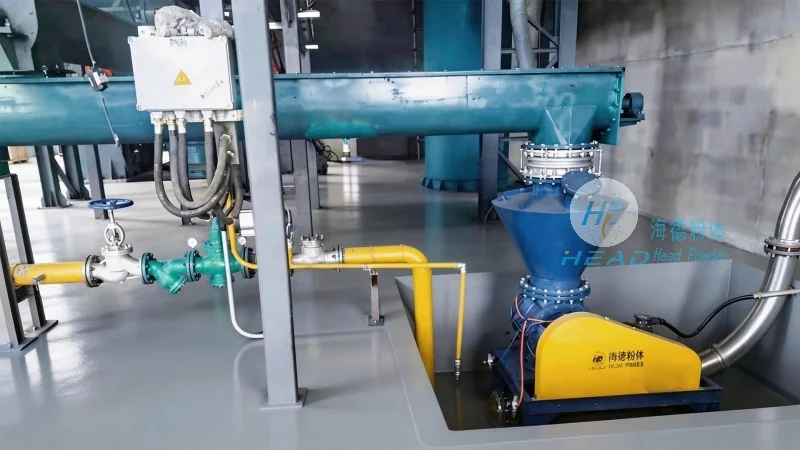
Key Components of a Pneumatic Conveying System
The core components of a bagasse powder pneumatic conveying system typically include a material feed hopper, a blower or air compressor, a pipeline system, and a discharge receiver. The feed hopper is responsible for storing and feeding the bagasse powder into the system, ensuring a consistent flow of material. The blower or air compressor generates the necessary air pressure to move the powder through the pipeline. The pipeline system, often made of stainless steel or other corrosion-resistant materials, transports the powder from the feed point to the discharge point. Finally, the discharge receiver collects the material at the end of the pipeline, completing the conveying process. Each component plays a critical role in maintaining the system's efficiency and reliability, with the feed hopper ensuring a steady supply of material and the blower providing the force to move it through the pipeline.
Design Principles for Efficient Material Handling
The design of a bagasse powder pneumatic conveying system is guided by several key principles to ensure optimal performance. One of the primary principles is maintaining a consistent air-to-material ratio, which is crucial for preventing blockages and ensuring smooth material flow. Engineers must carefully calculate the air volume and pressure required to move the specific powder characteristics, such as particle size, density, and moisture content. Another important principle is the use of appropriate pipeline diameters and bends, as excessive bends or narrow diameters can lead to increased pressure drop and potential blockages. Additionally, the system's design must account for the material's flow properties, including its angle of repose and cohesive behavior, to prevent material buildup and ensure reliable operation. By adhering to these design principles, manufacturers can develop systems that effectively handle bagasse powder while minimizing operational issues and maximizing throughput, ultimately supporting the smooth operation of industrial processes.
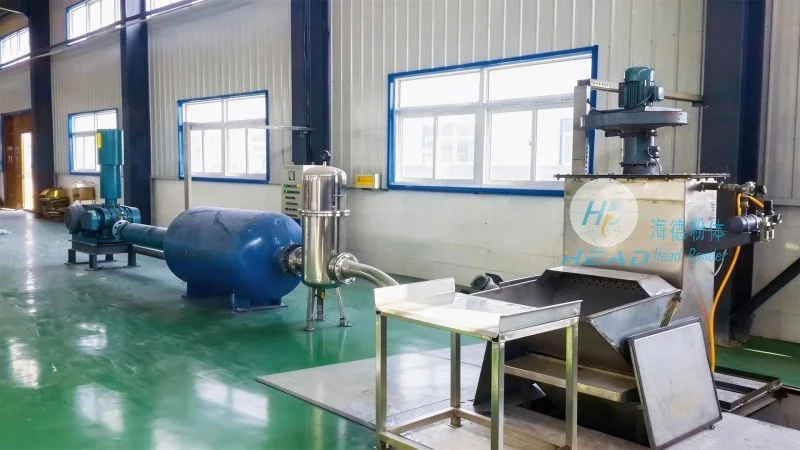
Advantages of Pneumatic Conveying for Bagasse Powder
Compared to other conveying methods, pneumatic conveying offers several advantages for handling bagasse powder. One of the most significant benefits is the ability to operate in a dust-free environment, which improves workplace safety and reduces the risk of dust explosions. This is particularly important in industrial settings where fine powders are handled, as dust can pose serious health and safety hazards. Another advantage is the reduced risk of material degradation, as pneumatic systems minimize friction and impact during transport, preserving the quality of the bagasse powder. Additionally, these systems can handle materials with varying properties, such as different particle sizes or moisture levels, without requiring significant modifications. The flexibility of pneumatic conveying also allows for easy integration into existing production lines, enabling manufacturers to upgrade their material handling processes with minimal disruption. Overall, the advantages of pneumatic conveying make it an ideal choice for industries dealing with fine powders like bagasse, offering enhanced efficiency and operational safety.
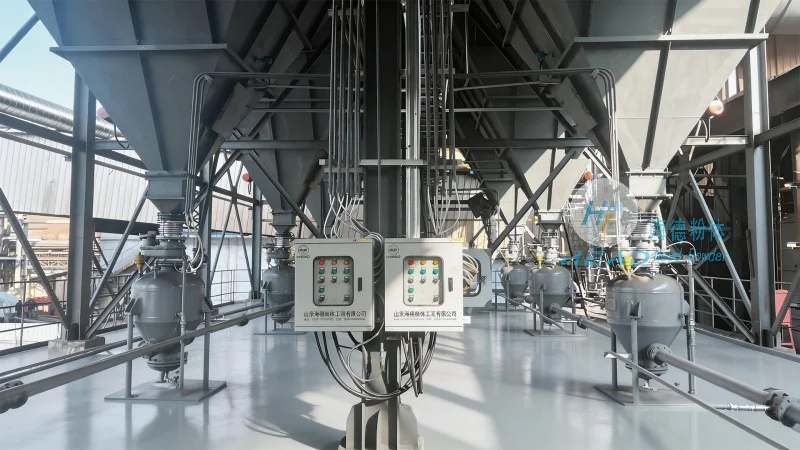
Applications in the Bagasse Processing Industry
Bagasse powder pneumatic conveying systems are widely used in the sugar and bioenergy industries, where bagasse is a byproduct of sugarcane processing. These systems are essential for transporting bagasse powder from storage silos to processing facilities, such as boilers or biofuel plants. In sugar mills, for example, the system can transport bagasse from the cane crushing area to the boiler room, where it is burned to generate steam for sugar refining. In bioenergy plants, the system can move bagasse to a gasification or combustion unit, where it is converted into electricity or heat. The efficiency of these systems ensures that bagasse is handled quickly and reliably, supporting the smooth operation of the entire production process. By using pneumatic conveying, companies can improve their material handling capabilities, reduce labor costs, and enhance overall productivity in the bagasse processing industry, making it a cost-effective solution for industrial material transport needs.
Customization and Scalability for Different Needs
Shandong HeadPowder Engineering Co., Ltd. specializes in designing and manufacturing customized bagasse powder pneumatic conveying systems to meet the specific needs of clients. The company, based in Shandong, China, offers a range of solutions tailored to different production capacities and operational requirements. Engineers at HeadPowder work closely with clients to understand their unique challenges and develop systems that address their specific needs. Whether a client requires a small-scale system for a laboratory or a large-scale system for an industrial plant, HeadPowder can provide a solution that meets their requirements. The company's expertise in pneumatic conveying technology allows them to design systems that are efficient, reliable, and cost-effective. By customizing the system components, such as the blower size, pipeline diameter, and feed hopper capacity, HeadPowder ensures that each system is optimized for the client's application. This approach helps clients achieve better performance and lower operational costs, making the investment in a pneumatic conveying system a wise choice for their business. With a focus on quality and customer satisfaction, HeadPowder provides tailored solutions that enhance the material handling capabilities of their clients in the bagasse processing industry.