

What is a Synthetic Fiber Powder Pneumatic Conveying Line? What are its Design Principles?
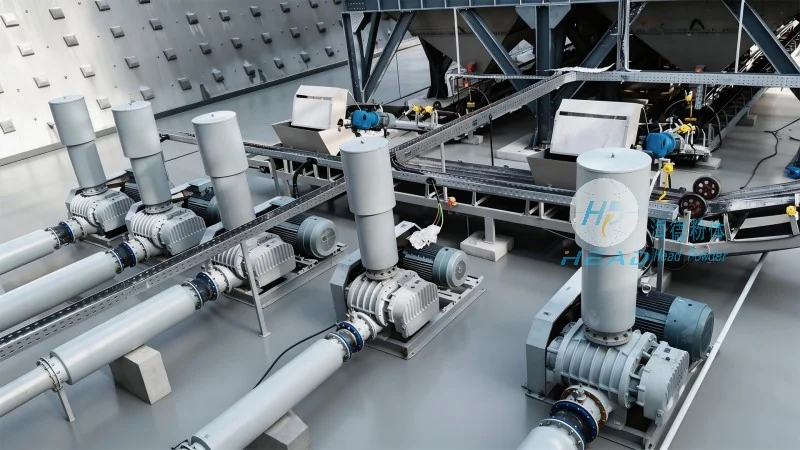
A synthetic fiber powder pneumatic conveying line is a specialized system engineered to transport dry, free-flowing materials such as synthetic fibers through an enclosed pipeline using air or other gases as the conveying medium. This technology is widely utilized in industries like textiles, chemicals, and pharmaceuticals, where handling fine powders requires gentle and efficient methods. The system typically comprises a hopper for material storage, a blower or compressor to generate air flow, a pipeline network to guide the material, and a receiver to collect the delivered product. Compared to traditional methods like belt or screw conveyors, pneumatic conveying offers advantages such as minimal material degradation, reduced contamination risk, and the ability to handle delicate synthetic fibers without causing breakage or agglomeration.
Core Design Principles of Synthetic Fiber Powder Pneumatic Conveying Systems
The design of a synthetic fiber powder pneumatic conveying line is governed by several critical principles to ensure efficient and reliable operation. First, the selection of the conveying medium (air or gas) and its pressure level is fundamental. Positive pressure systems, where air is forced into the pipeline, are commonly used for short to medium distances, while negative pressure (suction) systems are preferred for longer distances or when the material needs to be drawn from a source. The choice depends on factors like the material's properties, the distance to be covered, and the desired flow rate. For instance, positive pressure is often chosen for high-volume applications due to its ability to maintain consistent flow, whereas suction systems are suitable for low-volume, precise operations.
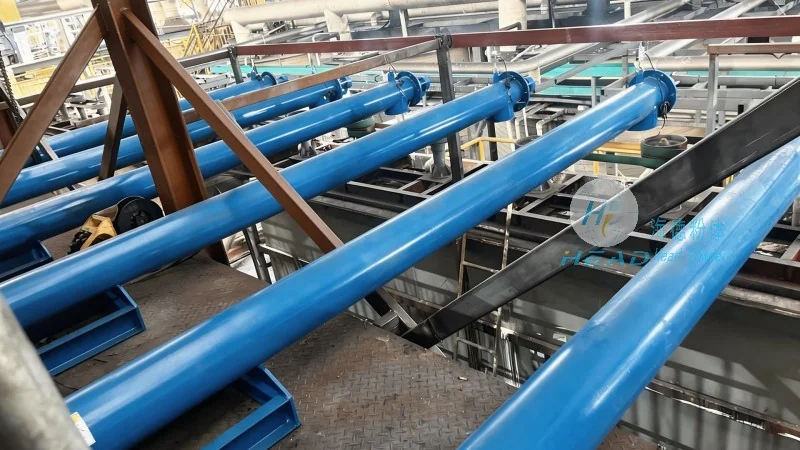
Second, the pipeline design must account for the material's flow characteristics. Synthetic fibers often exhibit cohesive or aerated behavior, which can affect how they move through the pipe. Engineers must consider the material's bulk density, particle size distribution, and moisture content to determine the appropriate pipe diameter, bends, and fittings. Larger pipe diameters may be required for high-volume applications to minimize pressure drop and energy consumption, while smaller diameters are suitable for low-volume, high-precision operations. Additionally, the number and angle of bends in the pipeline are optimized to reduce friction and maintain material velocity.
Third, the system must incorporate effective separation and filtration components. As the material travels through the pipeline, it may carry fine particles or dust that need to be removed to prevent clogging and maintain air quality. This typically involves cyclone separators, bag filters, or electrostatic precipitators, which are integrated into the system to ensure clean and efficient operation. For sensitive synthetic fibers, advanced filtration systems may be employed to prevent any contamination from affecting the material's quality. Additionally, the design must include safety features such as pressure relief valves and emergency shut-off mechanisms to protect against overpressure or other operational hazards.
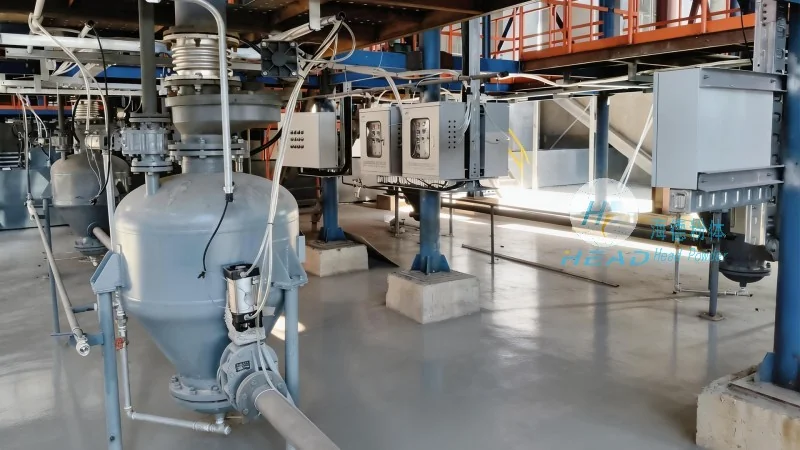
Fourth, the control and monitoring systems play a vital role in optimizing performance. Modern pneumatic conveying lines often utilize automated controls to regulate air pressure, flow rate, and material feed, ensuring consistent and stable operation. Sensors and monitoring devices can track key parameters like pressure, temperature, and material level, providing real-time data for process adjustments. This level of automation not only improves efficiency but also reduces the risk of human error and downtime. For example, a system might include a variable frequency drive (VFD) to adjust the blower speed based on the material feed rate, thereby optimizing energy consumption.
HeadPowder's Expertise in Customized Synthetic Fiber Pneumatic Conveying Solutions
Shandong HeadPowder Engineering Co., Ltd., commonly known as HeadPowder, is a leading provider of specialized pneumatic conveying systems tailored to the unique needs of synthetic fiber processing. With a strong focus on engineering excellence and customer satisfaction, HeadPowder has developed a reputation for delivering high-quality, reliable solutions that meet the stringent requirements of the textile and chemical industries. The company's team of experienced engineers works closely with clients to understand their specific material characteristics, operational constraints, and production goals, ensuring that each system is designed and manufactured to exact specifications.
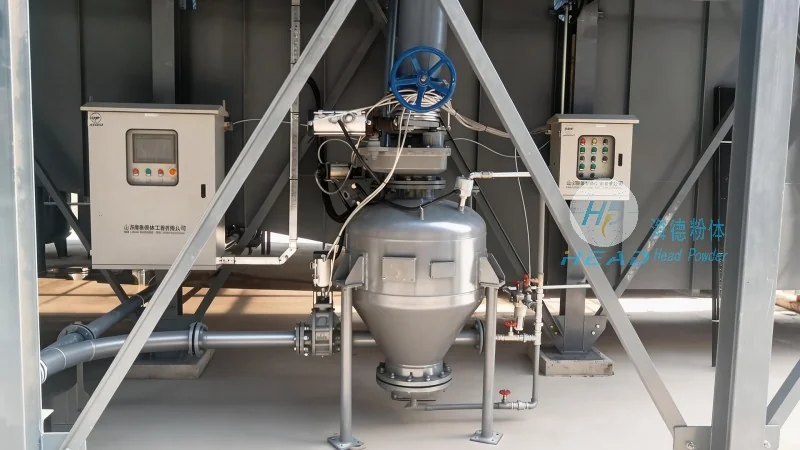
HeadPowder's approach to system design emphasizes customization and adaptability. Unlike off-the-shelf solutions, the company offers tailored designs that consider factors such as the material's flowability, the required conveying distance, and the client's budget. For instance, when handling sensitive synthetic fibers, the system may include features like gentle material handling mechanisms, minimal pressure drops, and advanced filtration to prevent material degradation. The company also provides comprehensive support services, including installation, commissioning, and ongoing maintenance, to ensure that the system operates at peak performance throughout its lifecycle.
HeadPowder's facilities, located in Shandong, China, are equipped with state-of-the-art manufacturing and testing capabilities. This allows the company to produce high-quality components and conduct rigorous performance testing to validate the system's efficiency and reliability. By leveraging advanced technology and a deep understanding of pneumatic conveying principles, HeadPowder ensures that its solutions are not only effective but also cost-efficient and sustainable. The company's commitment to innovation and customer-centric design has made it a trusted partner for businesses seeking to optimize their synthetic fiber processing operations.