

Coal and Coke Powder Pneumatic Conveying Line: What It Is and Its Design Principles
Coal and coke powder pneumatic conveying systems are specialized industrial equipment designed to transport fine powders, such as coal and coke, from one location to another using air as the conveying medium. These systems are widely used in the chemical, mining, and power generation industries due to their efficiency, flexibility, and ability to handle abrasive or sensitive materials without the need for mechanical components like belts or buckets.
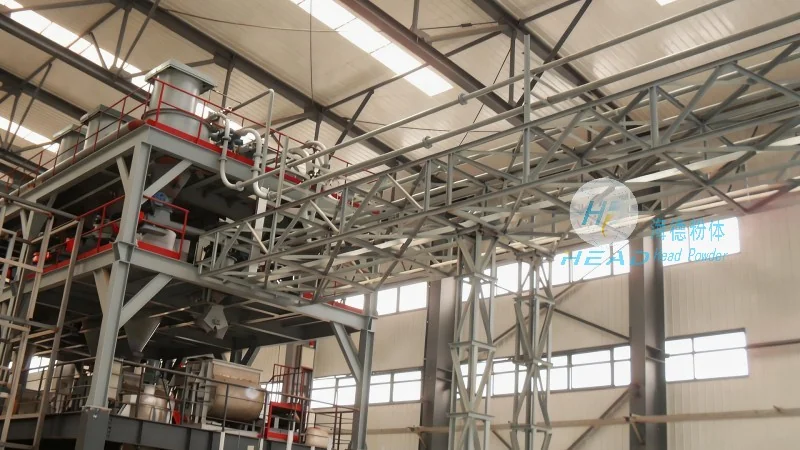
Introduction to Coal and Coke Powder Pneumatic Conveying Systems
At Shandong HeadPowder Engineering Co., Ltd., we specialize in the design, manufacturing, and installation of advanced pneumatic conveying systems tailored for the coal and coke industry. Our expertise lies in creating customized solutions that meet the unique challenges of transporting these materials, ensuring reliable performance and minimal maintenance. The following article explores the fundamental aspects of these systems, including their operational principles and key design considerations.
Components of a Coal and Coke Powder Pneumatic Conveying System
A typical coal and coke powder pneumatic conveying system consists of several critical components that work in tandem to achieve efficient material transport. These components include:
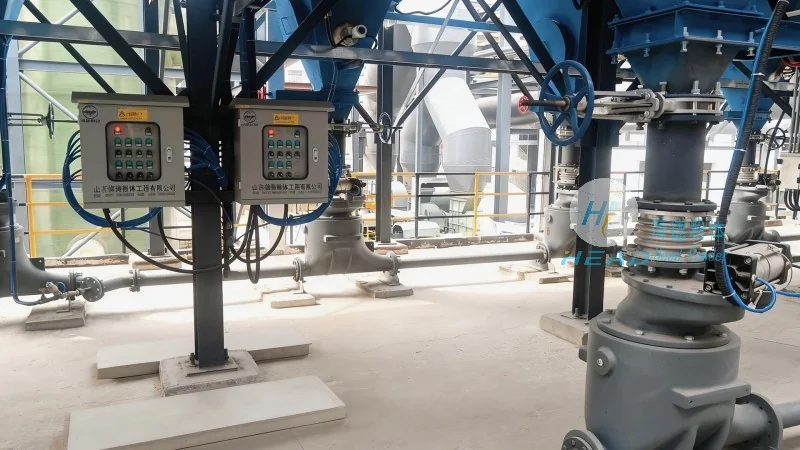
- Feeder: The feeder is responsible for introducing the coal or coke powder into the system at a controlled rate. It ensures a consistent flow of material into the conveying line, preventing blockages and maintaining system stability.
- Pneumatic Conveying Unit: This is the core of the system, where air is introduced to create a flow that carries the powder particles. The unit typically includes a blower or compressor that generates the necessary air pressure and flow rate.
- Piping System: The conveying line, made of durable materials like stainless steel or special alloys, transports the powder-air mixture from the feeder to the discharge point. The design of the piping, including bends, elbows, and straight sections, is crucial for maintaining the flow and preventing material deposition.
- Separation and Cleaning Equipment: At the discharge end, the system includes components to separate the powder from the air, such as cyclones or filters. These devices ensure that the material is collected efficiently while the air is cleaned and recirculated or discharged.
- Control System: Modern systems are equipped with advanced control panels that monitor and regulate the flow rate, air pressure, and other parameters. This allows for real-time adjustments to optimize performance and prevent system failures.
Working Principle of Coal and Coke Powder Pneumatic Conveying
The operation of a coal and coke powder pneumatic conveying system is based on the principle of fluidization and suspension. When air is introduced into the conveying line at a high velocity, it creates a turbulent flow that suspends the powder particles in the air stream. This suspension allows the material to be transported through the piping system without settling or clogging. The system can operate under either positive pressure (where air is forced through the line) or negative pressure (where air is drawn from the line), depending on the specific application and material characteristics.
Design Principles for Coal and Coke Powder Pneumatic Conveying Systems
The design of a coal and coke powder pneumatic conveying system involves several key principles to ensure optimal performance and longevity. These principles include:
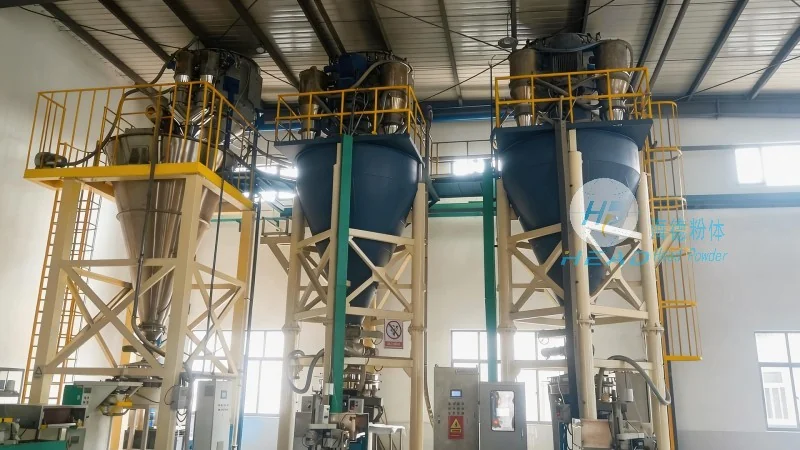
- Material Selection: The choice of materials for the feeder, piping, and other components is critical. Materials like stainless steel, carbon steel, or specialized alloys are used to withstand the abrasive nature of coal and coke particles and resist corrosion from moisture or other contaminants.
- Flow Rate and Velocity: The flow rate of the material and the velocity of the air are carefully calculated to ensure that the powder particles remain suspended without causing excessive wear on the system components. The design must balance the need for efficient transport with the limitations of the equipment's capacity.
- Piping Layout and Bends: The layout of the conveying line, including the number and angle of bends, is designed to minimize pressure losses and prevent material deposition. Sharp bends and changes in direction can cause turbulence and particle separation, leading to system inefficiencies.
- Pressure and Air Volume: The pressure and volume of air supplied by the blower or compressor are determined based on the material's properties, such as particle size, density, and moisture content. Higher pressures and air volumes are required for larger or more abrasive particles to maintain stable suspension.
- System Sizing and Capacity: The system is sized to match the required throughput, typically measured in tons per hour. This involves calculating the necessary air flow rate and pressure to handle the expected material volume and ensure that the system can operate continuously without overloading.
Advantages of Coal and Coke Powder Pneumatic Conveying Systems
Coal and coke powder pneumatic conveying systems offer several advantages over traditional mechanical conveying methods. These include:
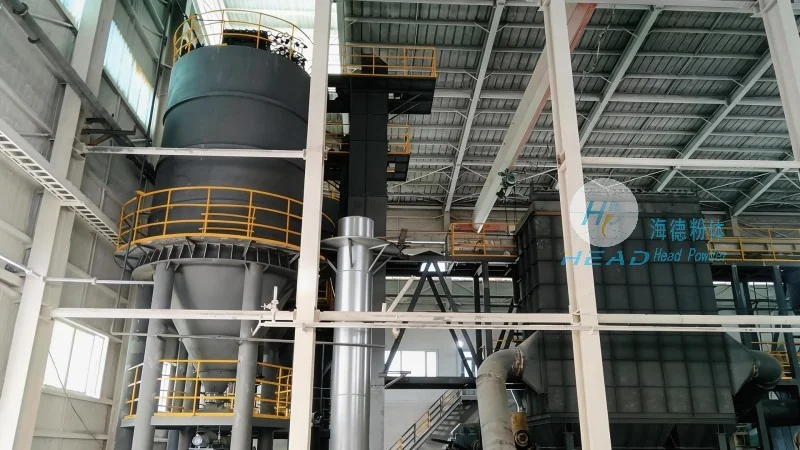
- Efficiency and Speed: The systems can transport materials over long distances at high speeds, reducing the time and labor required for material handling.
- Flexibility: The conveying line can be easily reconfigured or extended to accommodate changes in production needs or facility layout.
- Low Maintenance: Unlike mechanical systems with moving parts, pneumatic systems have fewer components that require regular maintenance, leading to lower operational costs.
- Reduced Downtime: The absence of mechanical components reduces the risk of breakdowns and extends the system's operational life.
- Environmental Benefits: The systems can be designed to minimize dust emissions and improve air quality, contributing to a safer and more sustainable industrial environment.
Applications in the Coal and Coke Industry
Coal and coke powder pneumatic conveying systems are used in various applications within the coal and coke industry, including:
- Coal Handling: Transporting raw coal from storage silos to processing facilities or from processing units to storage areas.
- Coke Handling: Moving coke powder from coke ovens to storage or to downstream processing units, such as coke grinding or blending.
- Power Generation: Conveying coal or coke to boilers in power plants for combustion, ensuring a steady supply of fuel.
- Chemical Processing: Transporting coal or coke powder as raw materials in chemical processes, such as gasification or carbonization.
Conclusion
Coal and coke powder pneumatic conveying systems are essential equipment for modern industrial operations, providing efficient, reliable, and flexible solutions for material transport. At Shandong HeadPowder Engineering Co., Ltd., we leverage our expertise in engineering and manufacturing to design and deliver high-quality systems that meet the specific needs of our clients. By adhering to sound design principles and using advanced materials and control technologies, our systems ensure optimal performance, minimal maintenance, and long-term operational reliability. Whether you are in the coal, coke, or related industries, our pneumatic conveying solutions can help streamline your material handling processes and improve overall productivity.