

What is PVC Powder Pneumatic Conveying Equipment? What Are Its Design Principles?
PVC powder pneumatic conveying equipment is a specialized industrial system engineered to transport polyvinyl chloride (PVC) powder through the use of an air or gas stream as the primary conveying medium. This technology is integral to the plastics manufacturing sector, where PVC powders are essential raw materials for processes like extrusion, injection molding, and compounding. The equipment ensures efficient, dust-free, and safe material handling, which is critical for maintaining product integrity and operational safety in industrial environments.
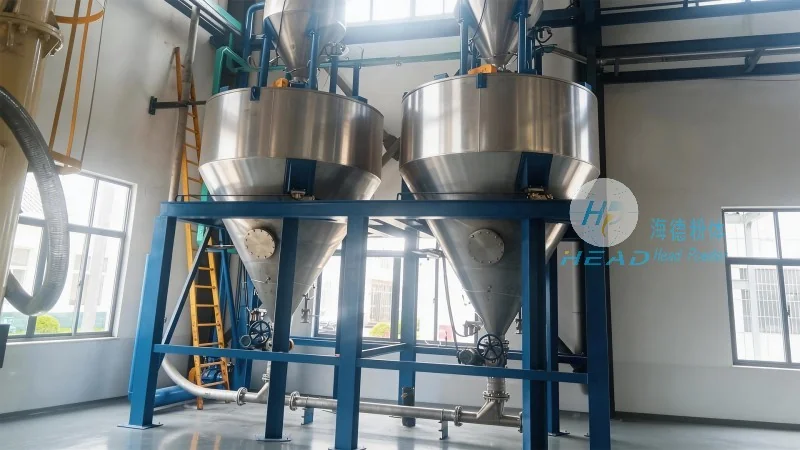
Core Components and Operational Mechanism
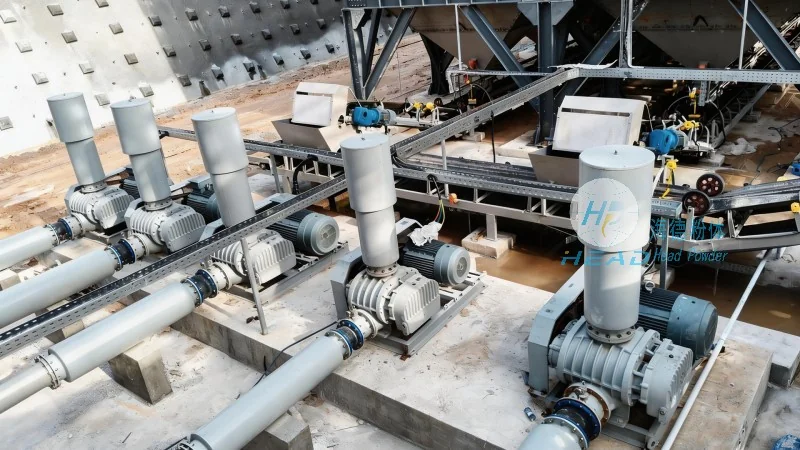
The PVC powder pneumatic conveying system comprises several key components that work in concert to achieve reliable material transport. These include a storage hopper for holding the PVC powder, a controlled feeder to regulate the powder flow rate, a pipeline system for conveying the material, a compressor or blower to generate the air flow, and a receiving hopper to collect the discharged powder. The operational mechanism involves the feeder introducing PVC powder into the pipeline, where it is mixed with the air stream. The air flow then suspends the powder particles and propels them through the pipeline to the receiver. This design eliminates the need for mechanical components like belts or buckets, reducing the risk of contamination and wear.
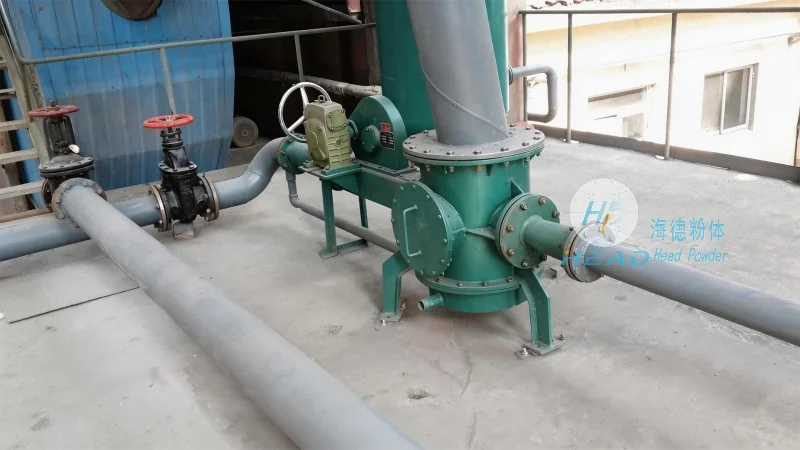
Design Principles and Technical Considerations
Designing an effective PVC powder pneumatic conveying system requires a thorough understanding of both the material properties of PVC powder and the system's operational parameters. Key considerations include the particle size distribution, moisture content, and flowability of the PVC powder, as these factors directly impact the air velocity required for proper suspension and the likelihood of clogging. For instance, finer PVC powders may necessitate higher air velocities to maintain suspension, while coarser particles may require larger pipeline diameters to prevent blockages. Additionally, the system's pressure type—whether positive or negative pressure—must be selected based on the distance and height of the transport, with positive pressure systems typically used for short to medium distances and negative pressure systems for longer or high-temperature applications.
Static electricity is another critical factor in PVC powder handling. PVC powders are prone to generating static charge, which can affect material flow and pose safety risks. Therefore, anti-static measures such as grounding electrodes and conductive additives are integrated into the system design to ensure safe and efficient operation. The design also considers the material's thermal properties, as PVC powders can degrade at high temperatures. Proper insulation and temperature control in the conveying line are implemented to maintain the powder's quality and prevent thermal degradation.
Advantages Over Traditional Conveying Methods
Compared to traditional mechanical conveying systems, PVC powder pneumatic conveying equipment offers several distinct advantages. One of the most significant benefits is the elimination of dust and contamination. The powder is contained within the air stream and delivered to the receiver, preventing exposure to the environment and reducing the risk of product contamination. This is particularly important for PVC powders used in food, medical, or high-purity applications, where even trace contaminants can compromise product quality. Additionally, the system is more compact and flexible, allowing for easy integration into existing production lines and the ability to transport materials over varying distances and elevations without the need for complex infrastructure.
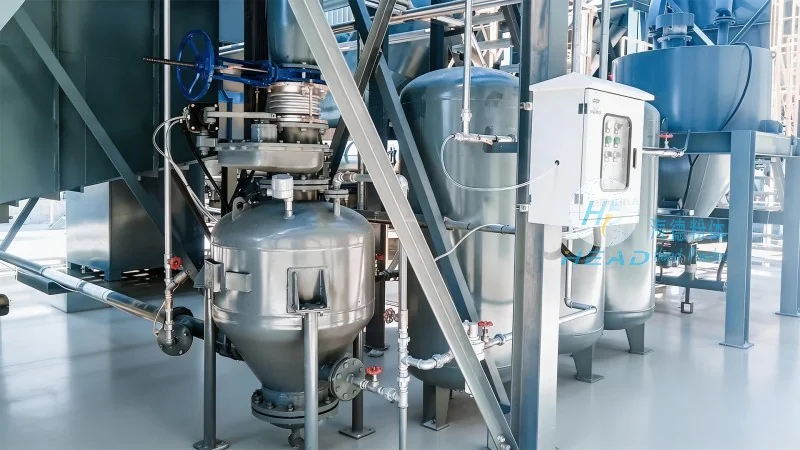
Another advantage is the reduced risk of material degradation. Unlike mechanical systems that generate friction and heat through contact with conveying components, pneumatic conveying uses air flow to move the powder, minimizing the risk of overheating or degradation. This is especially beneficial for heat-sensitive PVC formulations that require precise temperature control during transport. Furthermore, the system can handle a wide range of material loads, from low to high flow rates, making it adaptable to different production scales and operational requirements. The ability to transport large volumes of PVC powder efficiently and reliably enhances overall production throughput and reduces downtime.