When it comes to handling wood fibers in industrial settings, selecting the right conveying method is crucial for efficiency, cost-effectiveness, and operational safety. Wood fibers, such as sawdust, wood shavings, or wood chips, are widely used in various industries including pulp and paper, woodworking, and biomass energy production. The choice of conveying system directly impacts the overall productivity and reliability of the production line. This article, produced by Shandong HeadPowder Engineering Co., Ltd. (HeadPowder), provides a detailed comparison of common wood fiber conveying methods, examining their advantages and disadvantages to help industrial operators make informed decisions.
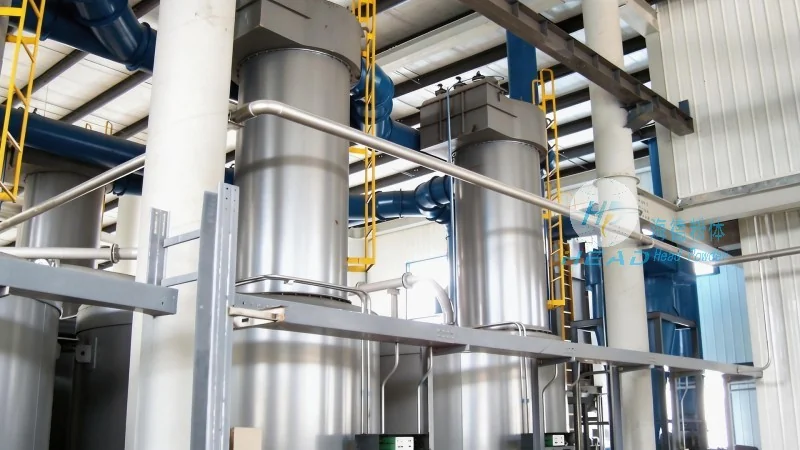
Overview of Key Conveying Methods for Wood Fibers
Several primary methods are employed for transporting wood fibers in industrial applications. These include belt conveyors, screw conveyors (augers), pneumatic (air) conveyors, and bucket elevators. Each method has distinct characteristics that make it suitable for specific scenarios. Understanding these differences is essential for optimizing material handling processes.
Belt Conveyors: Versatility and Cost-Effectiveness
Belt conveyors are among the most widely used systems for wood fiber transport due to their versatility and relatively low cost. These systems consist of a continuous belt that moves over rollers or pulleys, transporting the material from one point to another. The primary advantage of belt conveyors is their ability to handle large volumes of material over long distances with minimal maintenance. They are particularly effective for transporting dry wood fibers, as the belt can be designed to prevent material buildup or spillage. However, belt conveyors have limitations when dealing with wet or sticky wood fibers, as these materials can cause the belt to slip or become damaged. Additionally, they require regular cleaning and maintenance to prevent debris accumulation, which can affect performance and safety.
Screw Conveyors (Augers): Compact and Efficient for Horizontal Transport
Screw conveyors, also known as augers, are ideal for horizontal or slightly inclined transport of wood fibers. These systems use a rotating screw (helix) inside a tube to move material forward. The main advantage of screw conveyors is their compact design, which allows for installation in confined spaces. They are also relatively simple to operate and maintain, with fewer moving parts compared to other systems. Screw conveyors are particularly effective for transporting dry, free-flowing wood fibers, as the screw can maintain a consistent flow without the need for external power sources like air or electricity (except for the motor driving the screw). However, they are less suitable for wet or fibrous materials, as these can cause the screw to jam or wear out quickly. Another drawback is that screw conveyors generate heat due to friction, which may affect the quality of heat-sensitive wood fibers.
Pneumatic (Air) Conveyors: High-Speed and Flexible for Bulk Transport
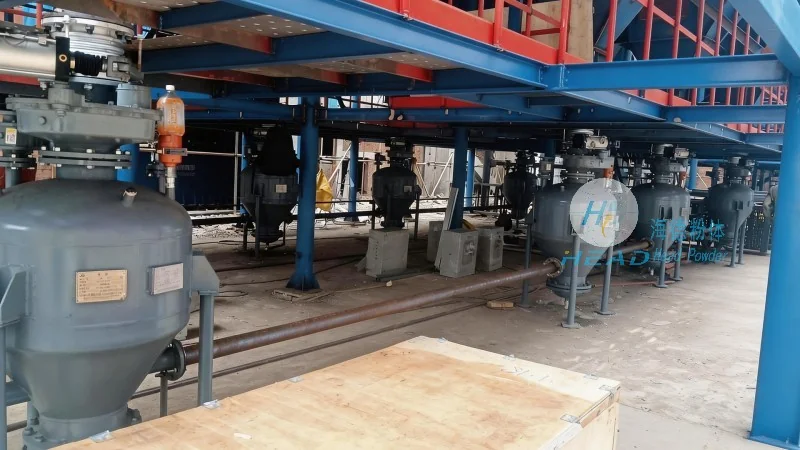
Pneumatic conveyors use compressed air to transport wood fibers through a pipeline system. These systems are highly efficient for moving large volumes of material over short to medium distances, and they can handle both dry and wet wood fibers. The primary advantage of pneumatic conveyors is their ability to transport material vertically and horizontally with minimal space requirements. They are also flexible, as the pipeline can be easily reconfigured to adapt to changes in production processes. Pneumatic conveyors are particularly effective for applications requiring high-speed transport, such as in biomass energy plants or pulp mills. However, they have significant disadvantages, including high energy consumption due to the need for compressed air, and the risk of material degradation from friction or abrasion. Additionally, they are prone to blockages if the material is too fibrous or contains large particles, which can lead to system downtime and maintenance costs.
Bucket Elevators: Vertical Transport with High Capacity
Bucket elevators are specialized systems designed for vertical transport of wood fibers. These systems consist of a vertical or inclined conveyor with buckets attached to a chain or belt that moves up and down. The main advantage of bucket elevators is their high capacity and ability to transport material vertically over long distances. They are particularly effective for applications where vertical transport is necessary, such as in sawmills or paper mills. Bucket elevators can handle a wide range of wood fiber types, including wet or dry materials, and they are relatively low maintenance compared to other vertical transport systems. However, they have limitations when dealing with very fibrous or sticky materials, as these can cause the buckets to become clogged or the chain to wear out quickly. Additionally, bucket elevators require significant space for installation and may be more expensive to purchase and install compared to other conveying methods.
Choosing the Right Conveying Method for Wood Fibers
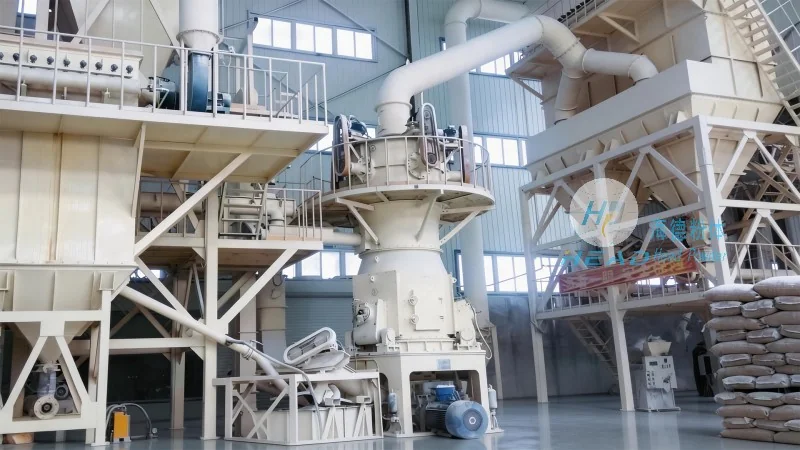
When selecting a wood fiber conveying method, industrial operators must consider several factors, including the type of material, the distance and direction of transport, the required capacity, and the available space. Belt conveyors are often the best choice for horizontal transport of dry wood fibers over long distances, while screw conveyors are ideal for compact horizontal transport in confined spaces. Pneumatic conveyors are suitable for high-speed transport of bulk materials over short to medium distances, and bucket elevators are best for vertical transport with high capacity. It is also important to consider the cost of installation, maintenance, and energy consumption, as these factors can significantly impact the overall operational efficiency of the system.
Conclusion
Choosing the right wood fiber conveying method is a critical decision for industrial operators, as it directly impacts the efficiency, cost, and safety of their production processes. By understanding the advantages and disadvantages of each method, operators can select the most suitable system for their specific needs. Whether using belt conveyors, screw conveyors, pneumatic conveyors, or bucket elevators, the key is to match the conveying method to the characteristics of the wood fibers and the requirements of the production line. With proper selection and maintenance, these systems can provide reliable and efficient transport of wood fibers, contributing to the overall success of industrial operations.




