Epoxy resins are widely used in various industrial applications due to their excellent properties, such as high strength, chemical resistance, and durability. The efficient and safe transportation of epoxy resin from storage to processing equipment is crucial for maintaining production efficiency and product quality. Different conveying methods are employed based on the specific requirements of the application, including material viscosity, volume, and operational conditions. This article provides a detailed comparison of common epoxy resin conveying methods, highlighting their advantages and disadvantages to help industrial professionals make informed decisions.
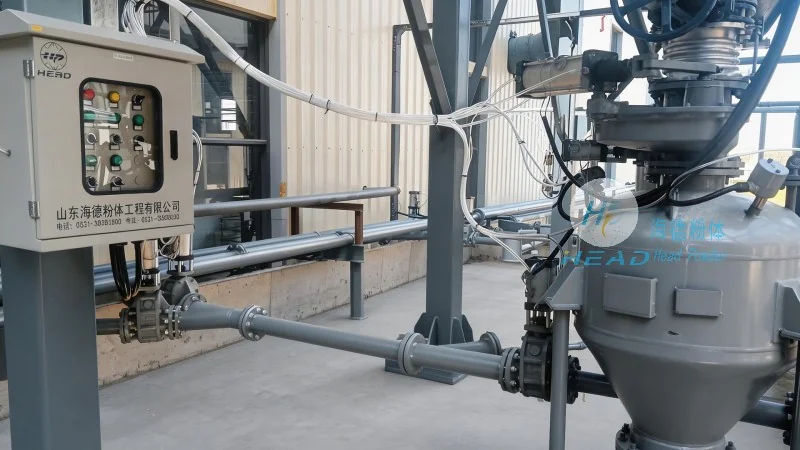
Company Profile: Shandong HeadPowder Engineering Co., Ltd.
As a leading manufacturer in the field of powder and resin handling solutions, Shandong HeadPowder Engineering Co., Ltd. specializes in providing high-quality equipment and services for the transportation and processing of epoxy resins. With a strong commitment to innovation and customer satisfaction, HeadPowder has established itself as a trusted partner for industries that rely on reliable and efficient resin handling systems. The company's headquarters is located in Shandong, China, where it conducts research, development, and manufacturing to meet the diverse needs of global markets.
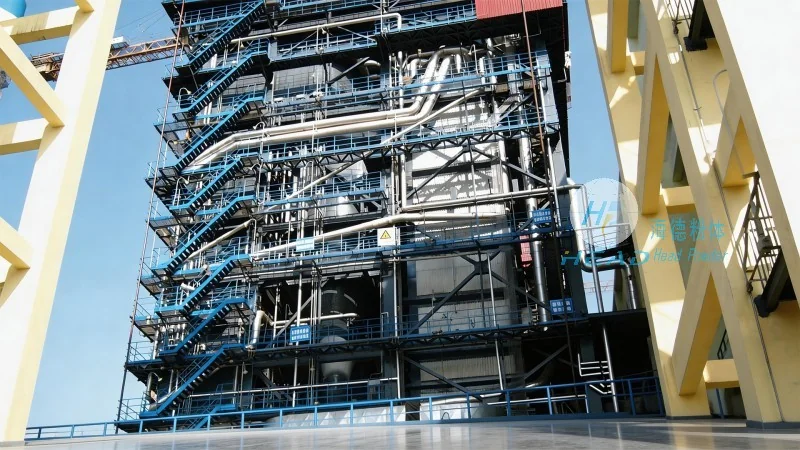
1. Pumping Method: A Comprehensive Overview
Pumping is one of the most common and effective methods for conveying epoxy resin, especially when dealing with high-viscosity materials. This method utilizes pumps, such as centrifugal or positive displacement pumps, to move the resin through pipelines. The primary advantage of pumping is its ability to handle large volumes of resin with consistent pressure and flow rates, ensuring smooth operation in continuous production processes. Additionally, pumping systems can be easily integrated with other processing equipment, such as mixers and reactors, to form a seamless production line. However, the pumping method may face challenges when dealing with highly viscous or abrasive epoxy resins, as it can lead to increased wear and tear on pump components. Regular maintenance and the use of specialized pump designs, such as those with hardened impellers or special seals, are necessary to mitigate these issues. Furthermore, the initial investment for pumping systems can be relatively high, making it less suitable for small-scale or low-volume applications.
2. Gravity Flow: Advantages and Limitations
Gravity flow, also known as gravity feed, is a simple and cost-effective method for conveying epoxy resin, particularly for low-viscosity materials or small volumes. This method relies on the natural force of gravity to move the resin from a higher to a lower level, typically using a hopper or a sloped pipe. The main advantage of gravity flow is its low operational cost, as it does not require any external power or equipment. It is also relatively easy to install and maintain, making it a popular choice for applications where the resin is stored at a sufficient height above the processing equipment. However, gravity flow has significant limitations, especially for high-viscosity or dense epoxy resins, as the flow rate is heavily dependent on the vertical distance and the angle of the pipe. In such cases, the resin may not flow efficiently, leading to clogging or uneven distribution. Additionally, gravity flow systems are not suitable for applications that require precise control over the flow rate or for materials that are prone to settling or segregation. For these reasons, gravity flow is often used as a supplementary method or for short-distance transportation in conjunction with other conveying systems.
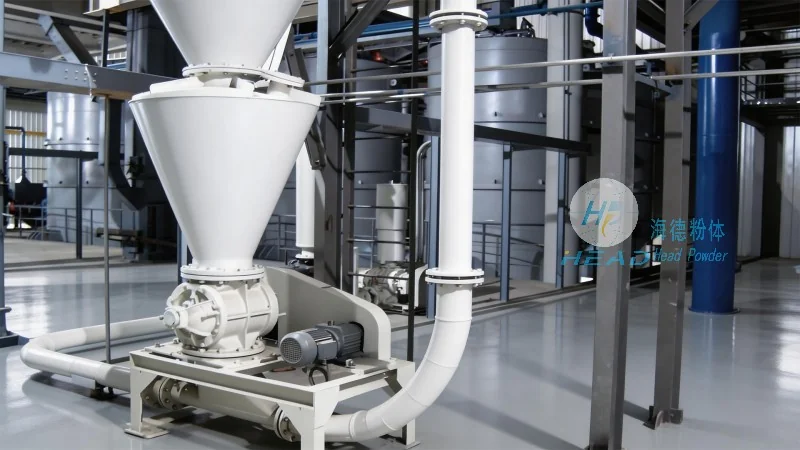
3. Vacuum Conveying: Benefits and Challenges
Vacuum conveying is a method that uses a vacuum pump to create a pressure differential, drawing the epoxy resin from a storage container into a processing system. This technique is particularly effective for handling fine powders or low-viscosity liquids, as it can transport materials over relatively long distances with minimal pressure drop. The primary advantage of vacuum conveying is its ability to handle materials that are difficult to pump or gravity feed, such as those with high viscosity or abrasive properties. It also allows for the collection of dust and particles, improving safety and reducing environmental contamination. However, vacuum conveying systems require careful design to ensure proper air flow and to prevent material degradation or clogging. The vacuum pump must be powerful enough to maintain the required pressure, and the system must be equipped with filters and cyclones to separate the resin from the air. Another challenge is the potential for material degradation due to prolonged exposure to air, especially for sensitive epoxy resins. To mitigate this, vacuum systems are often equipped with inert gas or nitrogen purging to maintain a controlled atmosphere. Additionally, the initial cost of vacuum conveying equipment can be higher compared to other methods, and the operational cost includes electricity consumption for the vacuum pump.




