

Working Principle and Features of Aluminum Dross Material Pneumatic Conveying Line
Aluminum dross, a byproduct generated during the aluminum smelting and casting processes, poses significant challenges in terms of handling and disposal. Traditional methods for managing this material often involve manual labor or low-efficiency mechanical systems, leading to inefficiencies, safety hazards, and environmental concerns. To address these issues, the development of pneumatic conveying lines for aluminum dross has become a critical solution in the industry. This article explores the working principle and key features of such systems, highlighting how they enhance material handling efficiency and operational safety.
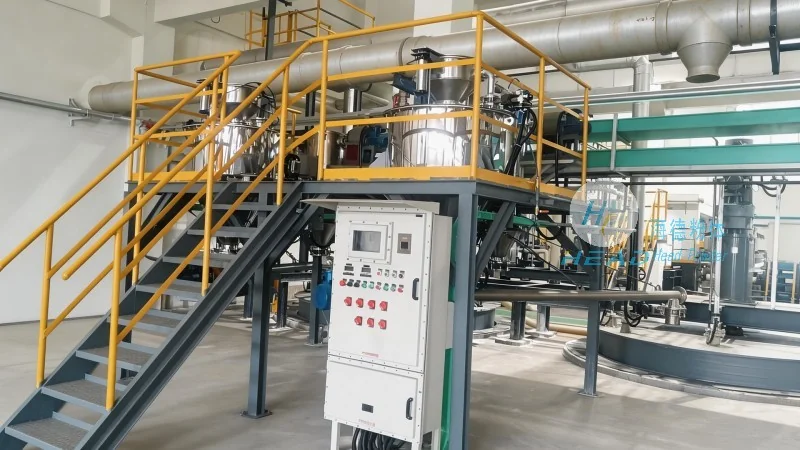
Working Principle of Aluminum Dross Pneumatic Conveying Lines
The core mechanism of aluminum dross pneumatic conveying lines revolves around the use of air as the primary medium to transport bulk materials through a network of pipes. There are two main types of pneumatic conveying systems: positive pressure and negative pressure. Positive pressure systems utilize a blower or fan to generate air pressure that propels the material forward, while negative pressure systems create a vacuum to draw the material into the system. For aluminum dross, which is typically a fine to medium-sized granular material, positive pressure systems are commonly preferred due to their ability to handle abrasive and corrosive particles effectively.
In a typical positive pressure system, the process begins with the material being fed into a hopper or feeder. The feeder then releases the dross into a pipeline where a high-pressure air stream, generated by a centrifugal or positive displacement blower, is introduced. The air and material mixture travels through the pipeline, with the air providing the necessary force to move the dross. At the receiving end, a separator or cyclone separates the material from the air, allowing the dross to be deposited into a storage bin or processing unit. The air, now clean, is either filtered and recirculated or vented to the atmosphere, depending on the system design.
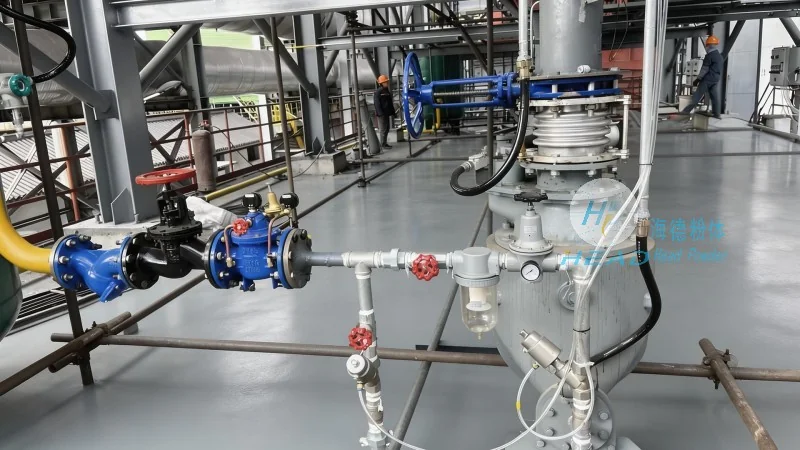
Key Features of Aluminum Dross Pneumatic Conveying Lines
HeadPowder Engineering Co., Ltd., a leading manufacturer of material handling solutions based in Shandong, China, has developed advanced pneumatic conveying lines tailored for aluminum dross applications. These systems are designed to offer several distinct advantages that set them apart from conventional handling methods.
Firstly, the systems provide high efficiency in material transport. By utilizing air as the conveying medium, the process eliminates the need for mechanical components like belts or buckets, reducing wear and tear and minimizing maintenance requirements. This results in lower operational costs and increased uptime for aluminum processing facilities.
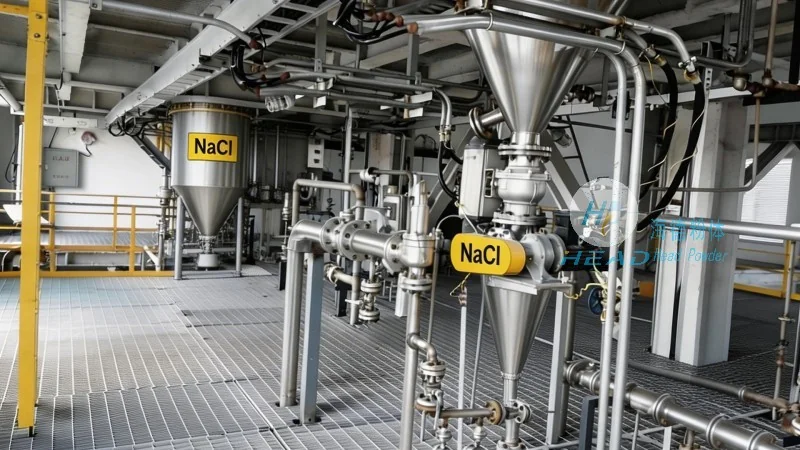
Secondly, the technology offers enhanced safety features. Unlike traditional methods that may involve manual handling of hot or heavy dross, pneumatic conveying lines operate with minimal human intervention, reducing the risk of accidents and exposure to hazardous materials. The enclosed pipeline system also prevents dust emissions, contributing to a cleaner and safer working environment.
Thirdly, the flexibility of pneumatic conveying lines allows for easy integration into existing production lines. The modular design enables customization to fit various plant layouts and material flow requirements. This adaptability is particularly valuable in aluminum smelting plants where space constraints and changing production demands are common.
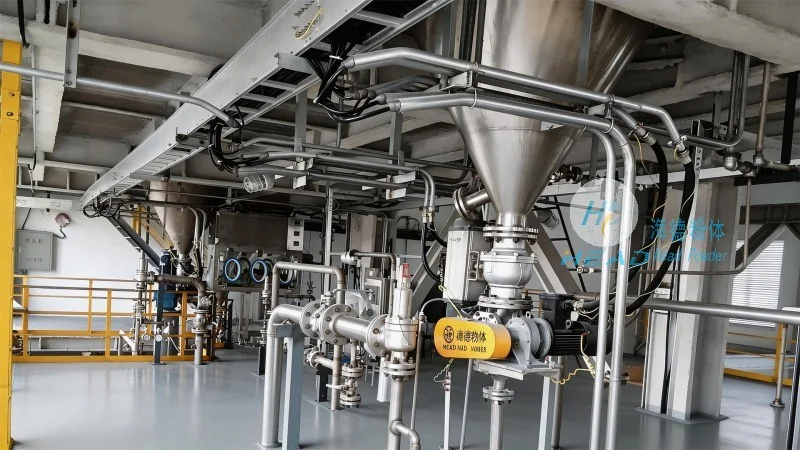
Additionally, the systems are designed with durability in mind, considering the abrasive nature of aluminum dross. High-quality materials such as stainless steel or corrosion-resistant alloys are used for the pipelines, hoppers, and separation equipment, ensuring long-term performance and minimal downtime due to equipment failure.
Conclusion
Aluminum dross pneumatic conveying lines represent a significant advancement in material handling technology for the aluminum industry. By combining efficient air-based transport with robust engineering, these systems address the challenges associated with handling aluminum dross while improving operational efficiency and safety. As a result, companies like Shandong HeadPowder Engineering Co., Ltd. are playing a crucial role in providing tailored solutions that meet the specific needs of aluminum processing facilities worldwide.