

What Are Regenerated Sand Material Handling Equipment? And What Are Their Design Principles?
Regenerated sand material handling equipment plays a crucial role in modern manufacturing and construction industries. These specialized systems are designed to efficiently transport and manage sand that has been reclaimed or recycled from various processes. Understanding the functionality and design principles behind such equipment is essential for optimizing material flow and reducing waste in production lines. This article provides an overview of the key aspects of regenerated sand handling equipment, focusing on their design considerations and operational benefits.
Understanding Regenerated Sand and Its Importance
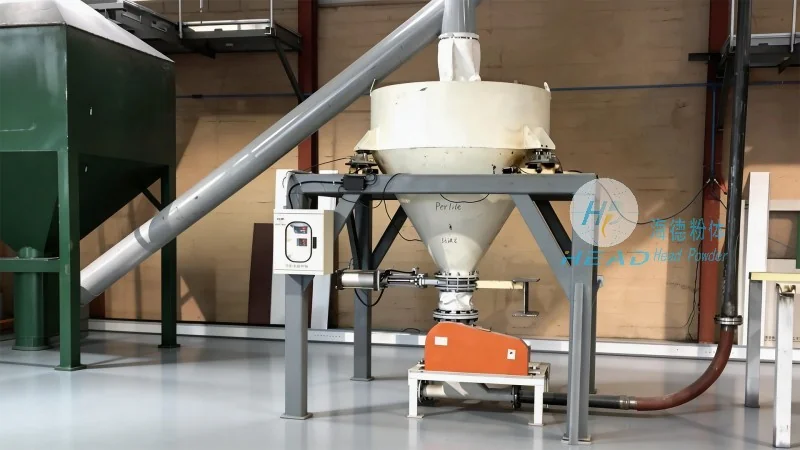
Regenerated sand, also known as reclaimed sand, is a critical component in many industrial applications, particularly in foundries and casting processes. This material is typically derived from the recycling of used sand, which undergoes cleaning and reconditioning to restore its properties. The use of regenerated sand not only reduces raw material costs but also minimizes environmental impact by promoting sustainable practices. Material handling equipment specifically designed for this type of sand ensures that the recycled material is handled hygienically and efficiently, maintaining its quality for reuse.
Key Design Principles of Regenerated Sand Material Handling Equipment
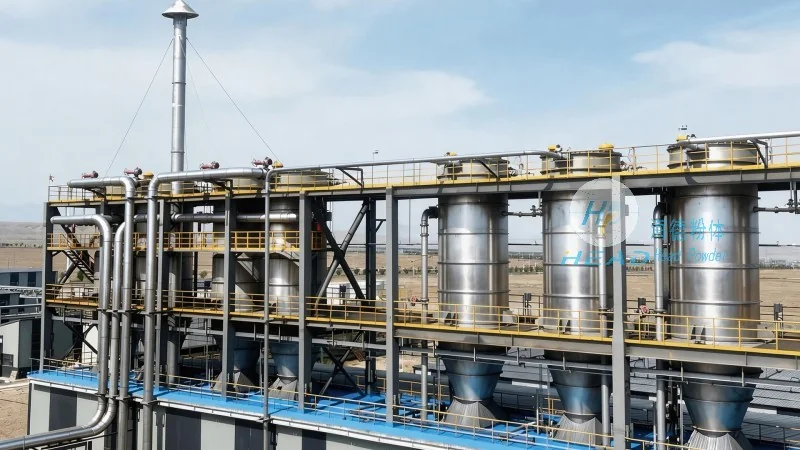
The design of regenerated sand material handling equipment is guided by several fundamental principles to ensure optimal performance and durability. These principles include: 1. **Material Compatibility**: The equipment must be constructed from materials that are resistant to the abrasive and corrosive nature of sand, such as high-strength steel or specialized coatings. 2. **Efficient Transport Mechanisms**: Systems like conveyor belts, screw conveyors, and pneumatic transport systems are commonly used to move the sand with minimal friction and energy loss. 3. **Dust Control and Safety**: Effective dust suppression measures are integrated into the design to prevent airborne particles and ensure a safe working environment. 4. **Modular and Scalable Design**: Many systems are designed to be modular, allowing for easy expansion or integration with existing production lines. 5. **Maintenance Accessibility**: Components are arranged to facilitate regular maintenance, reducing downtime and operational costs.
Components and Functionalities of Regenerated Sand Handling Systems
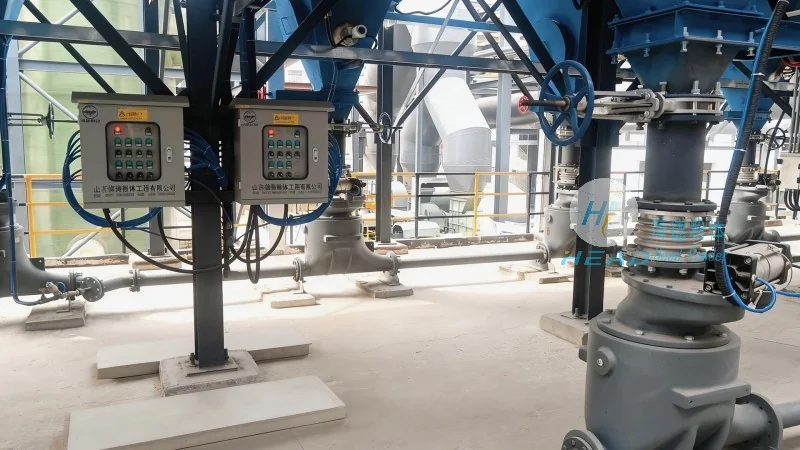
Regenerated sand material handling equipment typically consists of several interconnected components that work in tandem to achieve efficient material transport. The main components include: - **Feeding Hoppers**: These containers collect and store the regenerated sand before it is fed into the transport system. - **Conveying Mechanisms**: Conveyor belts, screw conveyors, or bucket elevators move the sand from one location to another. - **Dust Collection Systems**: These systems capture and filter dust particles, ensuring compliance with environmental regulations and maintaining air quality. - **Control Panels**: Advanced control systems allow for automated operation, monitoring, and adjustment of the equipment's performance. - **Cleaning and Conditioning Units**: Some systems include additional units to further clean and condition the sand, ensuring it meets the required specifications for reuse.
Operational Benefits and Applications
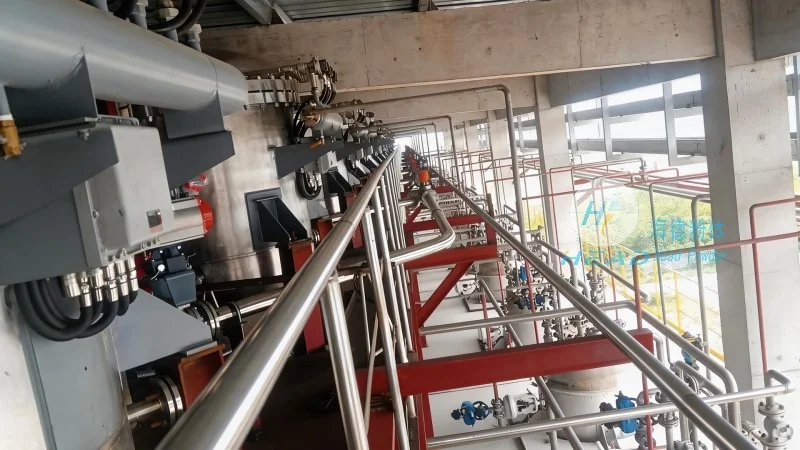
The use of specialized regenerated sand material handling equipment offers numerous benefits to industrial operations. These include: - **Cost Reduction**: By reducing the need for new raw materials and minimizing waste, companies can lower their operational costs. - **Environmental Sustainability**: Recycling sand reduces the demand for virgin materials and decreases landfill waste, contributing to a greener manufacturing process. - **Process Efficiency**: Efficient material handling ensures smooth production flow, reducing bottlenecks and improving overall productivity. - **Quality Control**: Proper handling and conditioning of the sand maintain its quality, leading to consistent product outcomes. - **Safety Enhancement**: Integrated dust control and safety features protect workers and comply with safety standards.
Case Study: Application in Foundry Production
For instance, in a foundry setting, regenerated sand material handling equipment is integral to the casting process. The equipment efficiently transports the reclaimed sand from storage to the molding and core-making stages. By maintaining the sand's moisture content and particle size through controlled handling, the system ensures high-quality castings. This application demonstrates how the design principles of material handling equipment directly impact the quality and efficiency of manufacturing processes.
Conclusion and Future Developments
Regenerated sand material handling equipment is a vital component in sustainable industrial practices. The design principles and functionalities of these systems are continuously evolving to meet the demands of modern manufacturing. As technology advances, we can expect to see more efficient, automated, and environmentally friendly solutions that further enhance the recycling and reuse of sand materials. For businesses looking to optimize their material handling processes, investing in high-quality regenerated sand equipment is a strategic move towards sustainability and cost efficiency.