

What is a Sanding Powder Material Handling Equipment? And What Are Its Design Principles?
Sanding powder material handling equipment plays a crucial role in the efficient processing and transportation of abrasive materials used in surface finishing applications. Understanding the functionality and design principles of such equipment is essential for optimizing production workflows and ensuring consistent quality in industrial settings.
Company Introduction
HeadPowder, a leading manufacturer based in Shandong, China, specializes in the development and production of advanced material handling solutions tailored for the abrasive and polishing industries. With a commitment to innovation and precision engineering, the company has established itself as a trusted partner for businesses seeking reliable equipment for sanding powder management.
Design Principles of Material Handling Equipment
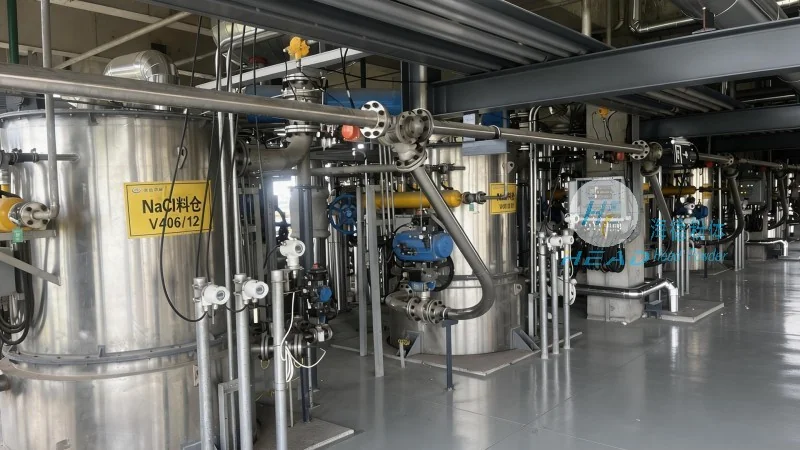
The design of sanding powder material handling equipment is centered on several key principles to ensure efficient operation and material integrity. One of the primary considerations is the material's properties, such as its abrasive nature and potential for dust generation, which influences the choice of components like hoppers, conveyors, and dust collection systems. The equipment typically incorporates a hopper to store the sanding powder, equipped with a feeding mechanism that controls the flow rate to maintain consistent material supply to downstream processes.
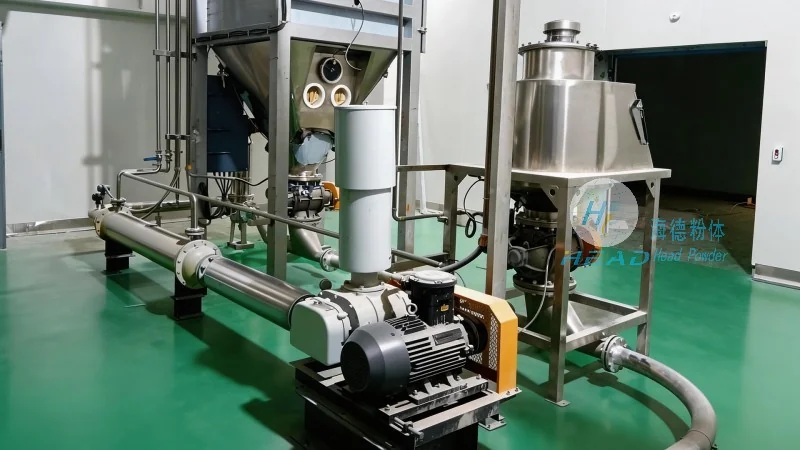
Conveyors are a critical component, often utilizing screw or belt systems to transport the powder. Screw conveyors, for instance, are ideal for handling dry, free-flowing materials like sanding powder, as they provide gentle material movement that minimizes degradation or caking. The design may also include variable speed drives to adjust the conveyor speed based on production demands, enhancing flexibility and operational efficiency.
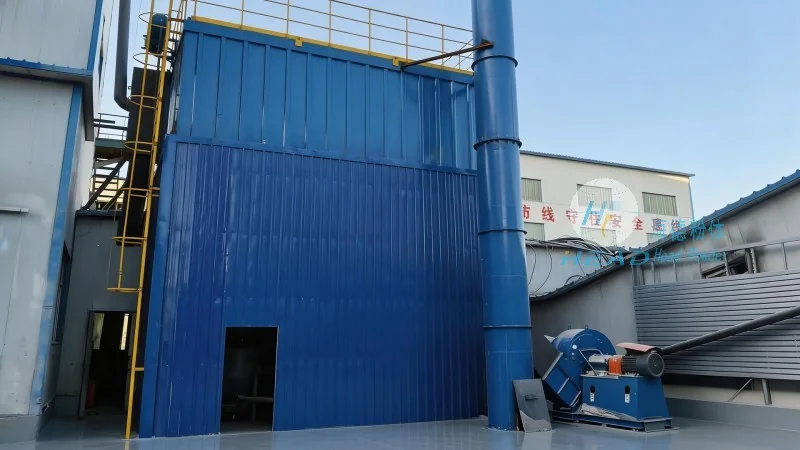
Dust control is another essential design aspect, as sanding powders can generate significant airborne particles. The equipment is equipped with integrated dust collection systems, including filters and ventilation ducts, to capture and remove dust during the material handling process. This not only improves workplace safety by reducing exposure to fine particles but also prevents contamination of the processed materials and the surrounding environment.
Furthermore, the equipment is designed with durability and ease of maintenance in mind. Materials used in construction, such as stainless steel or corrosion-resistant alloys, ensure long-term performance in harsh industrial environments. Access panels and modular components allow for straightforward maintenance and component replacement, reducing downtime and operational costs.
Benefits and Applications
The effectiveness of sanding powder material handling equipment lies in its ability to streamline material flow while maintaining the quality of the abrasive product. By controlling the flow rate and minimizing material degradation, the equipment ensures that the sanding powder remains consistent in size and shape, which is critical for achieving uniform surface finishing results. This is particularly important in applications like wood finishing, metal polishing, and automotive refinishing, where the quality of the abrasive material directly impacts the final product's appearance and durability.
In conclusion, sanding powder material handling equipment is a vital component in modern abrasive processing operations. Its design, incorporating considerations for material properties, efficient transport, dust control, and durability, enables businesses to optimize their production processes and deliver high-quality finished products. HeadPowder's expertise in this field ensures that customers receive equipment tailored to their specific needs, supporting their operational efficiency and success in the competitive market.