

What Are Dust Collection and Ash Material Handling Equipment? And What Are Their Design Principles?
When it comes to industrial processes that involve the generation of dust and ash, efficient handling and transportation of these materials are critical for maintaining operational efficiency and environmental compliance. The equipment designed for this purpose, often referred to as dust collection and ash material handling systems, plays a vital role in managing these byproducts. This article explores the nature of such equipment and the underlying design principles that govern their functionality, with a focus on the solutions provided by Shandong HeadPowder Engineering Co., Ltd. (headpowder).
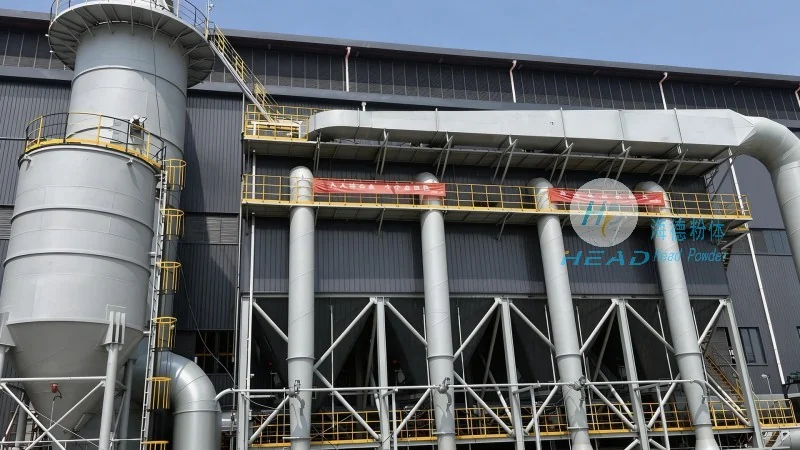
Understanding Dust Collection and Ash Material Handling Equipment
Dust collection and ash material handling equipment are specialized systems engineered to capture, transport, and store dust and ash generated during industrial operations. These materials can originate from various sources, including manufacturing processes, combustion in boilers or furnaces, and other industrial activities. The primary goal of these systems is to ensure that the dust and ash are handled safely, efficiently, and in compliance with environmental regulations. The equipment typically includes components such as dust collectors, conveyors, storage silos, and control systems, all working in tandem to achieve the desired outcomes.
Key Components and Their Functions
The design of dust collection and ash material handling equipment revolves around several key components, each serving a specific function in the overall system. The dust collector is the heart of the system, responsible for capturing airborne particles and separating them from the air stream. Common types of dust collectors include baghouse filters, cartridge filters, and electrostatic precipitators, each with its own advantages and applications. The choice of dust collector depends on factors such as the type of dust, the required filtration efficiency, and the operating conditions.
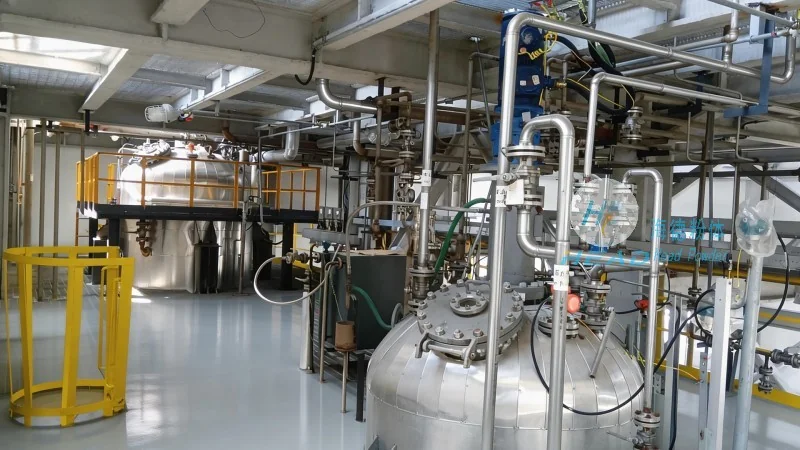
Conveyors are another critical component, responsible for transporting the collected dust and ash from the collection point to storage or disposal areas. There are various types of conveyors used in these systems, including belt conveyors, screw conveyors, and pneumatic conveying systems. The selection of the conveyor type is influenced by factors like the material's characteristics (e.g., moisture content, particle size), the distance to be covered, and the required throughput. For example, pneumatic conveying systems are often used for fine, dry materials, while screw or belt conveyors may be more suitable for bulkier or wetter materials.
Design Principles for Efficient Operation
The design principles of dust collection and ash material handling equipment are centered on maximizing efficiency, reliability, and safety. One of the fundamental principles is the need for a balanced system that ensures proper airflow and pressure drop across the dust collector. This is crucial for maintaining optimal filtration performance and preventing system overload. Engineers must carefully calculate the airflow rates, pressure drops, and the capacity of each component to ensure that the system operates within its design limits.
Another key design principle is the consideration of material properties. The characteristics of the dust and ash, such as particle size distribution, moisture content, and chemical composition, directly impact the selection of equipment components. For instance, materials with high moisture content may require special handling to prevent clogging or corrosion in the system. Similarly, abrasive materials may necessitate the use of wear-resistant components to extend the equipment's lifespan.
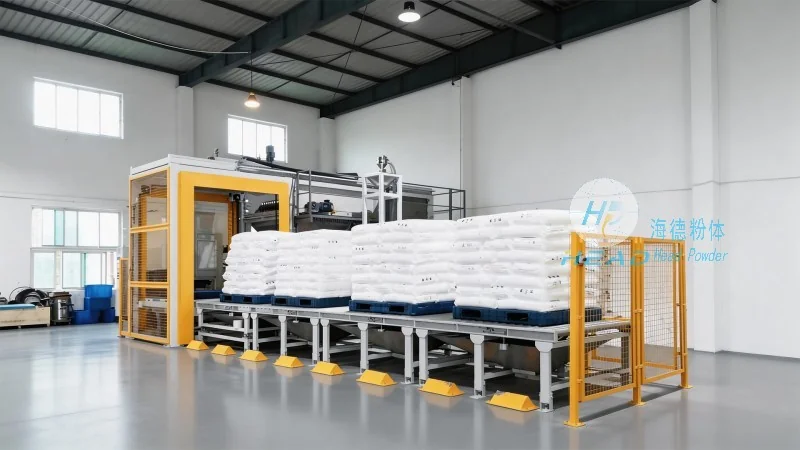
Energy efficiency is also a critical design consideration. Modern dust collection and ash material handling systems are designed to minimize energy consumption while maintaining performance. This includes optimizing the airflow rates, using energy-efficient motors, and implementing control systems that adjust the system's operation based on actual demand. The integration of automation and monitoring technologies further enhances the system's efficiency and reduces operational costs.
Applications and Industry Use Cases
Dust collection and ash material handling equipment are widely used across various industries, including power generation, cement production, metal processing, and waste management. In power plants, for example, these systems are essential for capturing fly ash from boilers and transporting it to storage silos or disposal sites. In cement factories, the equipment handles raw materials and finished products, ensuring that dust is contained and managed effectively. The versatility of these systems makes them suitable for a wide range of applications, from small-scale operations to large industrial facilities.