

What is Asphalt Powder Material Handling Equipment? What Are Its Design Principles?
This equipment is specifically designed for the efficient transport and handling of asphalt powder, a critical component in road construction and pavement maintenance. The primary goal is to ensure that the material is moved safely, reliably, and in compliance with industry standards, minimizing dust generation and optimizing material flow. Understanding the design principles behind such equipment is essential for anyone involved in the asphalt industry, as it directly impacts project efficiency and material quality.
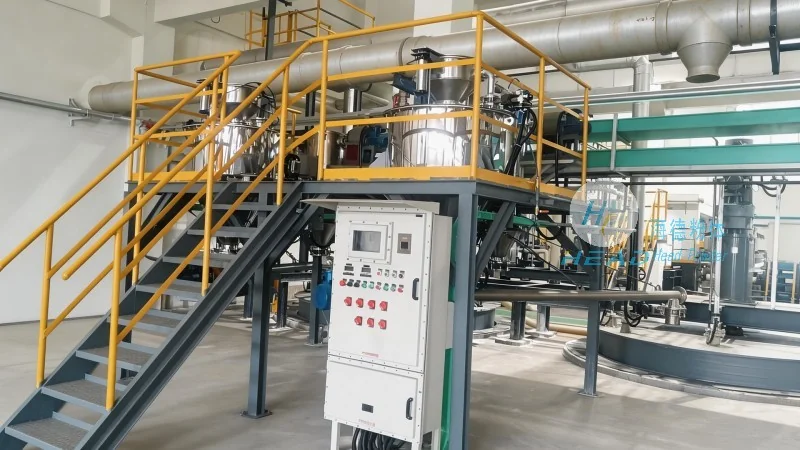
Understanding the Core Function and Design of Asphalt Powder Handling Systems
The core function of asphalt powder material handling equipment is to facilitate the movement of this fine, powdery material from storage to processing units or construction sites. The design must address several challenges, including the material's tendency to create dust, its potential for caking, and the need for precise control over flow rates. Engineers at Shandong HeadPowder Engineering Co., Ltd. have developed systems that integrate advanced materials handling technologies to overcome these challenges, ensuring consistent performance in demanding environments.
Key Components and Working Principles of the Equipment
Typical asphalt powder handling equipment includes components such as hoppers, conveyor systems (often pneumatic or mechanical), dust collection units, and control panels. The working principle revolves around the use of air or mechanical force to move the powder. For example, pneumatic conveying systems use compressed air to create a flow of material through pipes, while mechanical systems rely on screws or belts to transport the powder. The design of these components is critical; for instance, the hopper must be designed to prevent material buildup and ensure uniform feeding, while the conveyor must be able to handle the abrasive nature of asphalt powder without excessive wear. The working principle of pneumatic conveying systems involves creating a pressure differential to move the powder through pipes, often using positive or negative pressure. This method is particularly effective for long-distance transport and can handle fine powders without the need for mechanical contact. Mechanical systems, on the other hand, use rotating components like screws or belts to push the material forward, which is suitable for shorter distances and bulkier materials. The choice between these systems depends on factors such as the material's properties, the required transport distance, and the available space in the facility.
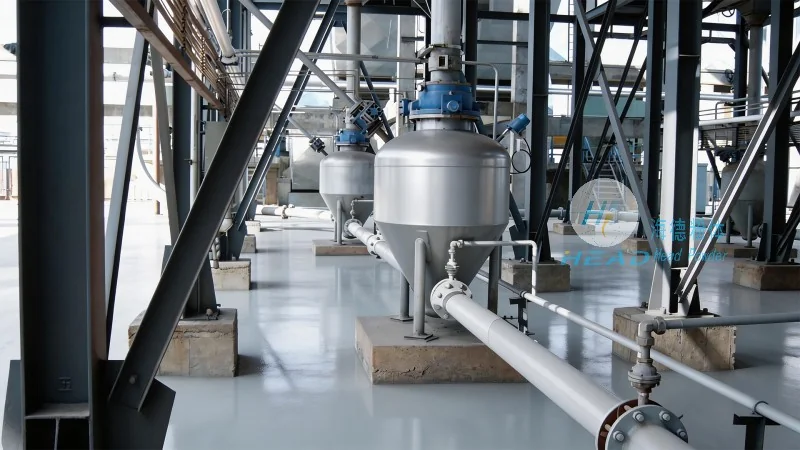
Design Considerations for Efficient Asphalt Powder Material Transport
Efficient design of asphalt powder handling equipment involves several key considerations. First, material compatibility is crucial—components must be resistant to the acidic and abrasive properties of asphalt powder to extend the equipment's lifespan. Second, dust control is a major design priority; effective filtration and sealing systems are integrated to minimize environmental impact and maintain workplace safety. Third, the system must be scalable to accommodate varying production volumes, with adjustable flow rates and modular components that allow for easy expansion or modification. The engineering team at Shandong HeadPowder Engineering Co., Ltd. focuses on these aspects to deliver solutions that meet the specific needs of each client. For instance, the company designs hoppers with sloped walls and anti-static coatings to prevent material accumulation and reduce the risk of fire hazards. Additionally, the control panels are equipped with sensors that monitor temperature, pressure, and flow rates, providing real-time data to operators and enabling proactive maintenance.
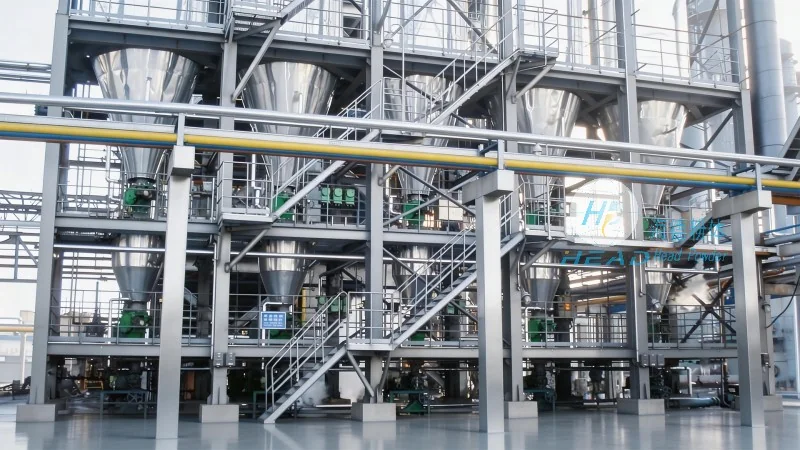
Application Scenarios and Industry Relevance
Asphalt powder handling equipment is widely used in various applications within the construction and infrastructure sectors. It is essential in asphalt mixing plants, where the material is used as a filler or binder, and in road maintenance projects where it is applied as a sealant or patching material. The equipment also plays a role in industrial settings where asphalt-based products are manufactured. By ensuring that asphalt powder is handled efficiently, these systems contribute to the overall productivity and quality of construction projects. The consistent performance of the equipment from Shandong HeadPowder Engineering Co., Ltd. helps clients achieve reliable results in these diverse applications. For example, in large-scale road construction projects, the equipment ensures a steady supply of asphalt powder to mixing plants, reducing downtime and improving the uniformity of the final pavement. In industrial manufacturing, the equipment maintains consistent material quality, which is critical for producing high-performance asphalt products.
About the Manufacturer: Shandong HeadPowder Engineering Co., Ltd.
Shandong HeadPowder Engineering Co., Ltd. is a leading manufacturer of specialized material handling equipment, with a focus on solutions for the asphalt and powder industries. Headquartered in Shandong, China, the company combines years of industry experience with advanced engineering capabilities to develop high-quality equipment. The company's commitment to innovation and customer satisfaction has established it as a trusted partner for businesses seeking reliable asphalt powder handling solutions. By adhering to strict quality standards and providing comprehensive support, Shandong HeadPowder Engineering Co., Ltd. ensures that its equipment meets the needs of clients worldwide. The company's R&D team continuously researches new materials and technologies to improve the performance and durability of its products. Additionally, the company offers customized solutions tailored to the specific requirements of each client, ensuring that the equipment is optimized for their unique operational needs. This approach has helped the company build a strong reputation in the industry for delivering reliable and efficient asphalt powder handling equipment.