

How to Prevent Pipeline Blockages in Pneumatic Conveying Systems for Gray Calcium Powder? Key Design
When it comes to transporting gray calcium powder, the choice of a pneumatic conveying system is often critical for efficiency and reliability. However, one of the most common challenges in such operations is pipeline blockage, which can lead to downtime and increased maintenance costs. Understanding how to prevent these blockages and the key design parameters that influence system performance is essential for optimizing the conveying process.
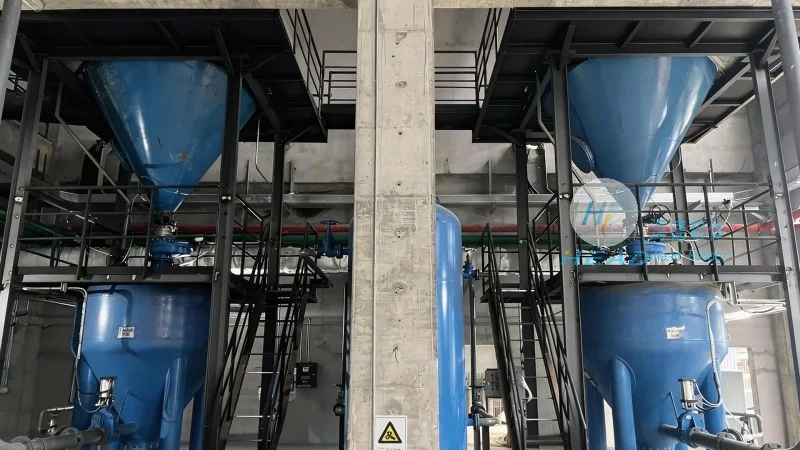
Gray calcium powder, typically used in construction and industrial applications, presents unique challenges due to its particle size distribution and flow characteristics. The material's tendency to agglomerate or form bridging can easily clog pipelines if the pneumatic conveying system is not properly designed. Therefore, addressing these issues from the outset is crucial for maintaining smooth operation and minimizing disruptions.
Key Design Parameters for Preventing Blockages in Pneumatic Conveying Systems
Several critical design parameters must be considered when designing a pneumatic conveying system for gray calcium powder to prevent blockages. The first is the system pressure, which directly affects the velocity of the material and air. Higher pressure can increase the conveying velocity but may also lead to increased wear on components. A balanced approach is essential to ensure efficient transport without causing excessive stress on the system.
Another key parameter is the air-to-material ratio, which determines the velocity of the conveying stream. An optimal ratio ensures that the powder is fully suspended and transported without settling or clogging. For gray calcium powder, this ratio is typically higher than for other materials due to its particle size and density, requiring careful calibration to achieve the right balance.
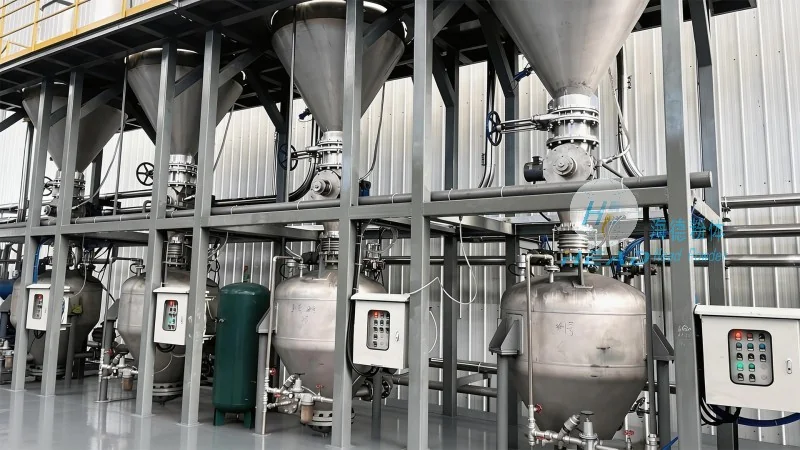
Pipeline diameter is another critical factor. Smaller diameters increase the risk of blockage as the material has less space to move and is more likely to settle. Conversely, larger diameters may require higher air volumes, increasing energy consumption. The optimal diameter is determined by the material's flow properties and the desired conveying velocity, often calculated based on empirical data and system testing.
Bend radius and the number of bends in the pipeline also play a significant role. Sharp bends can cause the powder to impact the pipe walls, leading to abrasion and potential blockage. Using larger bend radii and minimizing the number of bends in the system can reduce these risks and improve flow continuity.
Material selection for the pipeline and components is also essential. Gray calcium powder is abrasive, so using materials like stainless steel or high-grade plastic that can withstand wear is important. Additionally, the use of anti-static coatings can prevent static buildup, which can attract powder particles and contribute to blockages.
System Control and Maintenance Strategies
Even with proper design, regular maintenance and control strategies are necessary to prevent blockages. Monitoring the system's pressure and flow rates in real-time allows operators to detect any changes that may indicate a potential blockage. Automated shut-off valves can be installed to stop the flow if pressure drops or flow rates decrease, preventing further damage.
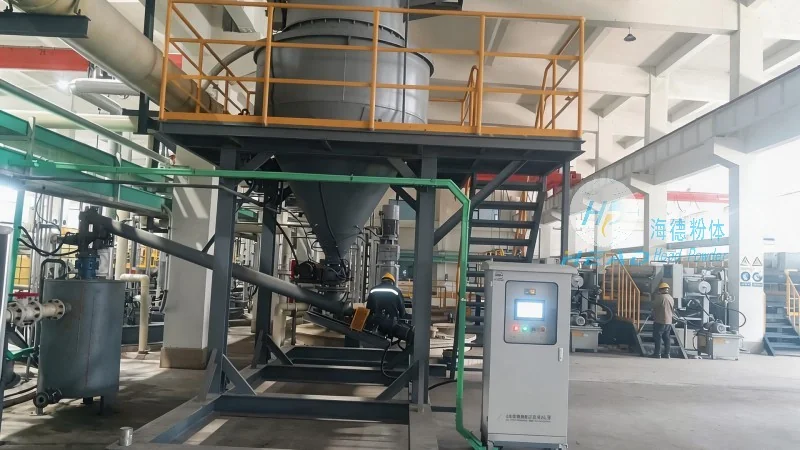
Regular cleaning of the pipeline, especially after long periods of inactivity or after handling different materials, is also recommended. This can be done using air pulses or mechanical cleaning tools to remove any accumulated powder. Additionally, ensuring that the system is properly sealed to prevent air leaks helps maintain the air-to-material ratio and prevents moisture ingress, which can affect the powder's flow properties.
About Shandong HeadPowder Engineering Co., Ltd.
Shandong HeadPowder Engineering Co., Ltd., operating under the brand name headpowder, specializes in the design and manufacturing of pneumatic conveying systems tailored to the needs of various industries, including construction and manufacturing. With a focus on innovation and customer satisfaction, the company provides customized solutions that address the unique challenges of transporting materials like gray calcium powder. Based in Shandong, China, headpowder leverages years of experience and advanced technology to deliver reliable and efficient conveying systems that minimize downtime and maximize productivity.
Conclusion
Preventing pipeline blockages in pneumatic conveying systems for gray calcium powder requires a combination of proper design, careful material selection, and regular maintenance. By considering key parameters such as system pressure, air-to-material ratio, pipeline diameter, and bend design, along with effective control and maintenance strategies, operators can ensure smooth and efficient material transport. Companies like Shandong HeadPowder Engineering Co., Ltd. play a vital role in providing these solutions, helping businesses maintain productivity and reduce operational costs in their material handling processes.