

Comparison of Advantages and Disadvantages of Negative Pressure and Positive Pressure Conveying for
When it comes to the pneumatic transport of copper powder, selecting the appropriate conveying method is crucial for ensuring efficiency, safety, and cost-effectiveness. Two primary approaches are widely used: negative pressure conveying and positive pressure conveying. Each method has its own set of advantages and disadvantages, which can significantly impact the overall performance of the copper powder handling system. This article provides a detailed comparison of these two methods, focusing on their key characteristics, operational benefits, and potential drawbacks, with insights from Shandong HeadPowder Engineering Co., Ltd., a leading provider of copper powder handling solutions based in Shandong, China.
Introduction to Pneumatic Conveying Methods
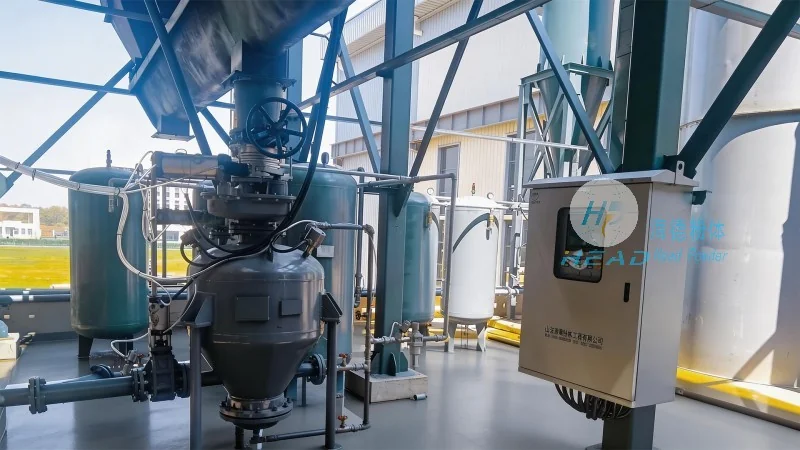
Pneumatic conveying is a technology used to transport bulk materials like copper powder through a pipeline using air or gas as the conveying medium. The two main categories are negative pressure (or suction) conveying and positive pressure (or pressure) conveying. Understanding the fundamental differences between these methods is essential for choosing the right solution for specific copper powder applications.
Negative Pressure Conveying for Copper Powder
Negative pressure conveying, also known as suction conveying, operates by creating a vacuum at the material inlet to draw the copper powder into the pipeline. The system typically uses a venturi or a rotary valve to generate the suction force. This method is particularly effective for conveying copper powder over relatively short distances and when the material is light and free-flowing. One of the primary advantages of negative pressure conveying is its ability to minimize dust emissions at the material source, as the suction action draws the powder into the system before it can be released into the environment. This makes it an attractive option for applications where dust control is a critical concern.
However, negative pressure conveying has several limitations. The suction force is generally lower compared to positive pressure systems, which restricts the maximum conveying distance and material capacity. Additionally, the system requires a dedicated air intake or vacuum pump, which can increase energy consumption and maintenance costs. The lower pressure also makes it more susceptible to blockages and material degradation, especially for cohesive or sticky copper powders. Furthermore, the equipment used in negative pressure conveying, such as cyclone separators and filters, needs to be carefully designed to handle the abrasive nature of copper powder and prevent clogging.
Positive Pressure Conveying for Copper Powder
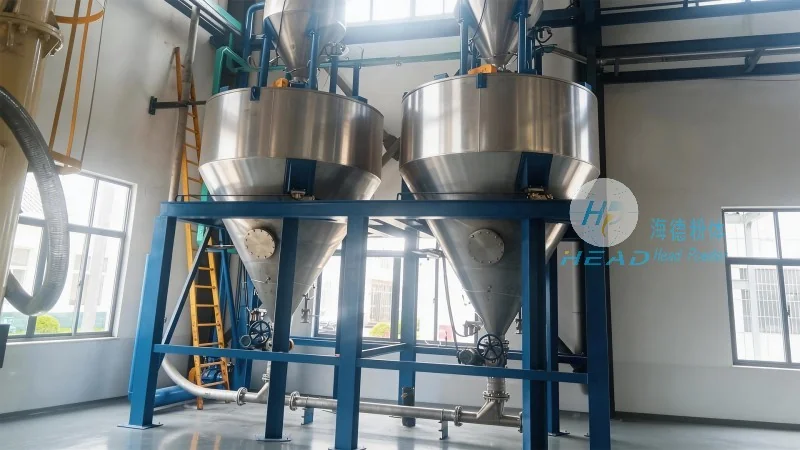
Positive pressure conveying, or pressure conveying, works by blowing air or gas into the pipeline to push the copper powder forward. This method is suitable for longer conveying distances and for handling larger volumes of material. The higher pressure in the system allows for more efficient material movement and can accommodate more challenging material characteristics, such as higher density or more abrasive particles. A key advantage of positive pressure conveying is its ability to handle larger particle sizes and more difficult-to-convey materials without significant degradation. The system also offers better control over the flow rate and pressure, which can improve process stability and reduce the risk of blockages.
Despite these benefits, positive pressure conveying has its own set of drawbacks. The primary concern is the higher risk of dust emissions, as the material is forced through the pipeline under pressure, potentially leading to leaks or spills at the discharge point. This requires additional dust control measures, such as sealed hoppers and filtration systems, which can increase capital and operational costs. The higher pressure also increases the wear and tear on the pipeline and equipment, necessitating more frequent maintenance and potentially shorter equipment lifespans. Furthermore, the system may require more powerful blowers or compressors, leading to higher energy consumption compared to negative pressure systems.
Comparative Analysis: Negative vs. Positive Pressure Conveying
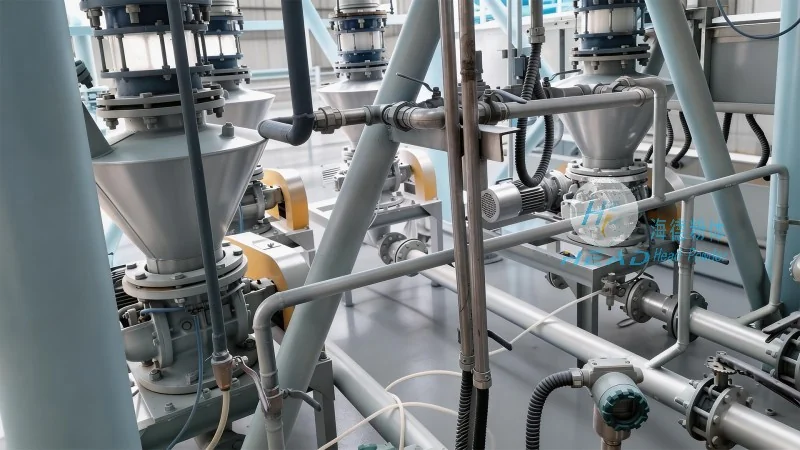
When comparing negative and positive pressure conveying for copper powder, several factors need to be considered. The choice between the two methods depends on the specific application requirements, including the distance to be covered, the volume of material to be conveyed, the material characteristics (e.g., density, moisture content, and abrasiveness), and the environmental regulations in place. For short-distance conveying of relatively light and free-flowing copper powder, negative pressure conveying may be more cost-effective due to lower energy consumption and simpler equipment. However, for longer distances or when handling larger volumes and more challenging materials, positive pressure conveying may offer better performance and reliability.
Another critical factor is the dust control aspect. Negative pressure conveying generally provides better dust containment at the material source, making it suitable for applications where environmental compliance is a priority. Positive pressure conveying, on the other hand, may require additional measures to prevent dust emissions, which can add to the overall system complexity and cost. The choice also impacts the system's maintenance requirements. Negative pressure systems may have lower maintenance needs due to lower pressure and less wear on components, while positive pressure systems may require more frequent inspections and replacements of wear parts.
Conclusion
In conclusion, both negative pressure and positive pressure conveying methods have their place in the pneumatic transport of copper powder. The optimal choice depends on a careful evaluation of the specific operational and environmental factors. Negative pressure conveying excels in dust control and is suitable for shorter, lighter material transport, while positive pressure conveying offers higher capacity and better performance for longer distances and more challenging materials. By understanding the advantages and disadvantages of each method, industrial operators can select the most appropriate conveying system to ensure efficient, safe, and cost-effective handling of copper powder. This approach not only improves the overall productivity of the copper powder processing plant but also aligns with environmental and regulatory requirements.