

How to Prevent Pipeline Blockages in Pneumatic Conveying Systems for Grain Particle Transport? Key D
Efficient and reliable grain handling is critical for agricultural and food processing sectors. Pneumatic conveying systems have emerged as a preferred method for transporting grain particles due to their ability to move bulk materials over extended distances with minimal manual labor. However, a common challenge in these systems is the risk of pipeline blockages, which can lead to operational disruptions and increased maintenance expenses. Understanding how to prevent such blockages and identifying the key design parameters is essential for optimizing system performance and ensuring smooth operation.
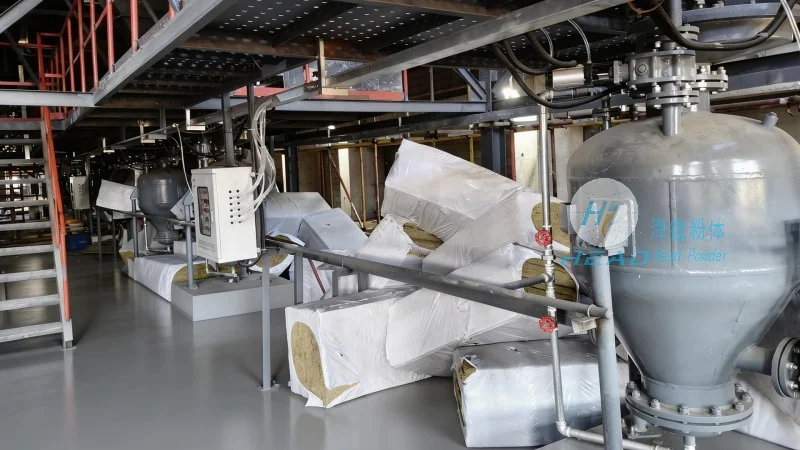
Understanding Pneumatic Conveying Systems and the Risk of Blockages
Pneumatic conveying systems utilize air or gas to transport grain particles through a pipeline. The system typically includes a hopper, a conveyor line, and a receiver. The primary mechanism involves creating a pressure differential to move the material. While effective, the inherent characteristics of grain particles—such as varying sizes, moisture content, and flow properties—can lead to issues like agglomeration and blockages. Blockages occur when material accumulates and forms a solid plug, obstructing the flow of air and grain. This can result in reduced system efficiency, higher energy consumption, and potential damage to equipment.
Key Design Parameters to Prevent Pipeline Blockages
Several critical design parameters play a vital role in preventing pipeline blockages in pneumatic conveying systems for grain particles. These parameters are selected based on the specific characteristics of the grain and the operational requirements of the system.
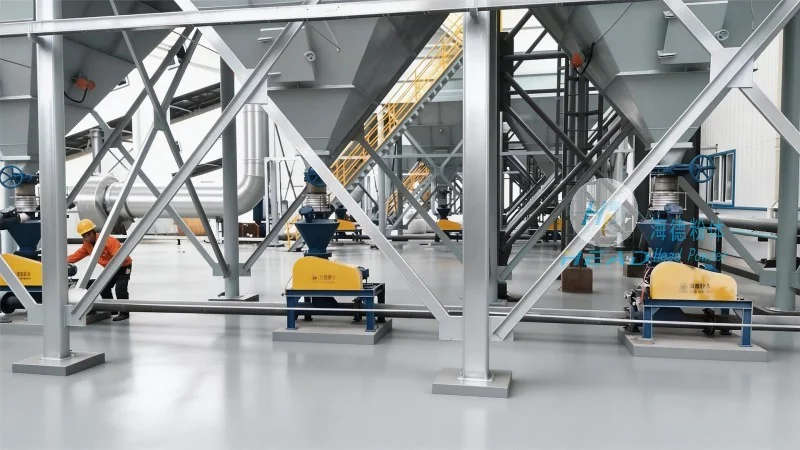
1. Air Velocity and Pressure
One of the most crucial design parameters is the air velocity and pressure within the conveying line. The air velocity must be sufficient to overcome gravitational and frictional forces acting on the grain particles. Insufficient velocity can cause particle settling and blockages, while excessive velocity may lead to pipeline erosion and higher energy use. The optimal air velocity is determined by the size and density of the grain. For instance, smaller and lighter particles may require higher velocities to maintain flow, whereas larger and heavier particles need lower velocities to avoid excessive stress on the system.
2. Conveying Line Diameter and Length
The diameter and length of the conveying line are also vital factors. A larger diameter reduces frictional resistance, enabling smoother flow and lower air velocity requirements. However, a larger diameter increases initial costs and space needs. The line length affects pressure drop along the pipeline, influencing the required air pressure. Longer lines demand higher air pressure to maintain flow rate, impacting overall energy efficiency. Proper sizing of line diameter and length ensures pressure drop stays within acceptable limits, minimizing blockage risk.
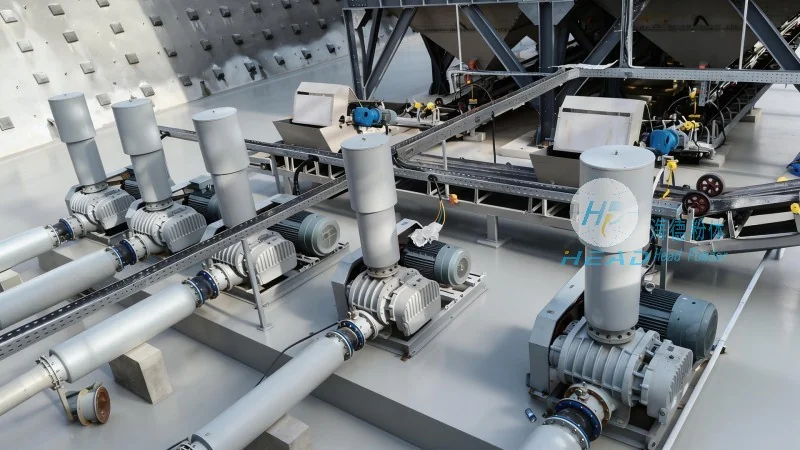
3. Hopper Design and Feed Mechanism
The hopper and feed mechanism design is another critical aspect. The hopper must ensure uniform grain feeding into the conveying line. A poorly designed hopper can cause uneven flow, leading to surges and potential blockages. The feed mechanism—such as a rotary valve or screw feeder—should provide a consistent flow rate. This consistency helps maintain steady air flow and prevents material accumulation at the line inlet. Additionally, the hopper should include a venting system to remove trapped air during feeding, which can otherwise cause pressure fluctuations and blockages.
4. Material Characteristics and Conditioning
The physical and chemical properties of grain particles significantly impact blockage risk. Factors like particle size distribution, moisture content, and bulk density must be considered. High moisture content can cause grain clumping, leading to agglomeration and blockages. Conditioning the grain—such as drying or adding anti-caking agents—can improve flow characteristics and reduce blockage likelihood. Furthermore, optimizing the particle size distribution to a narrow range ensures smoother flow, as oversized particles can cause abrasion and blockages in the pipeline.
5. System Sizing and Airflow Management
Proper system sizing and airflow management are essential for preventing blockages. The system must handle expected flow and pressure requirements. Overloading by exceeding maximum flow rates can increase pressure drop and cause blockages. Airflow management systems—such as pressure regulators and flow meters—help maintain consistent air pressure and flow rates, ensuring the system operates within optimal range. Regular monitoring of airflow parameters can detect deviations early, allowing timely adjustments to prevent blockages.
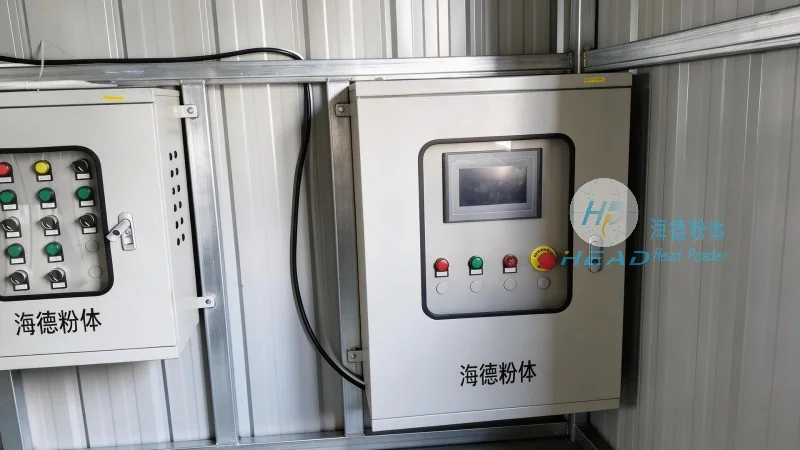
6. Cleaning and Maintenance Procedures
Even with proper design, regular cleaning and maintenance are necessary to prevent long-term blockages. The conveying line and components should be inspected periodically for wear or buildup. Cleaning methods—such as compressed air or mechanical tools—remove accumulated material and prevent blockage formation. Additionally, lubricating moving parts and replacing worn components extends system lifespan and reduces operational issues. Implementing a preventive maintenance schedule ensures the system remains in optimal condition, minimizing blockage risk.
Conclusion
Preventing pipeline blockages in pneumatic conveying systems for grain particles requires a comprehensive approach considering multiple design parameters and operational factors. By optimizing air velocity and pressure, selecting appropriate line diameter and length, designing the hopper and feed mechanism effectively, managing material characteristics, and implementing proper maintenance, the risk of blockages can be significantly reduced. These measures enhance system efficiency and reliability, contributing to cost savings and improved performance. For industries reliant on pneumatic conveying, investing in proper design and maintenance is key to long-term success and operational stability.