

Preventing Pipeline Blockages in Pneumatic Conveying Systems for Copper Powder: Key Design Parameter
When it comes to transporting copper powder via pneumatic conveying systems, preventing pipeline blockages is a critical challenge that impacts operational efficiency and system reliability. The design of the system plays a pivotal role in mitigating these issues, and understanding the key parameters that influence performance is essential for optimizing copper powder handling processes.
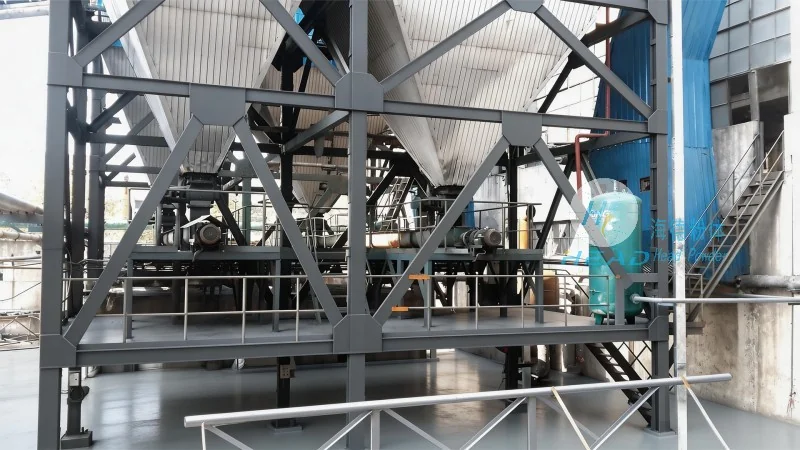
Understanding the Risks of Pipeline Blockages in Copper Powder Conveying
Pipeline blockages in pneumatic conveying systems for copper powder can stem from several factors, including agglomeration, moisture content, and improper air velocity. These blockages not only halt production but also increase maintenance costs and downtime. Effective prevention strategies are therefore indispensable for maintaining smooth and continuous operation.
Key Design Parameters for Preventing Blockages in Pneumatic Conveying Systems
Several critical design parameters must be considered to minimize the risk of blockages in copper powder pneumatic conveying systems. These parameters include:
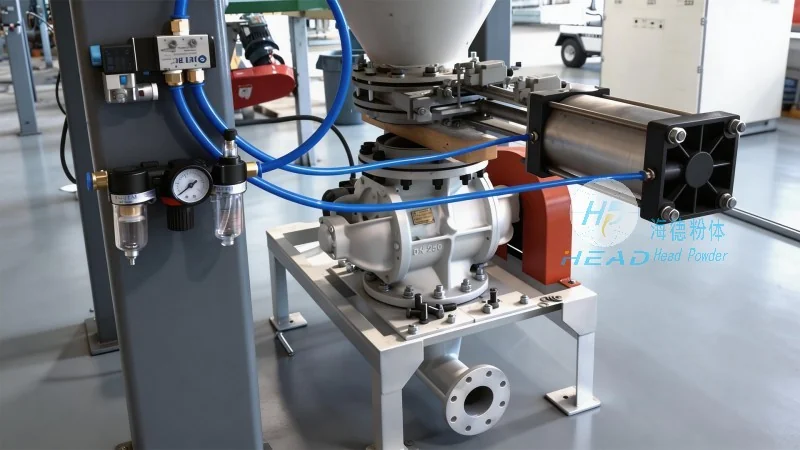
- Air Velocity and Pressure: Maintaining an appropriate air velocity is crucial. Insufficient velocity can lead to powder settling and blockages, while excessive velocity may cause wear on components and energy inefficiency. The pressure within the system must be optimized to ensure consistent flow without causing excessive stress on the pipeline.
- Particle Size and Moisture Content: The physical properties of copper powder, such as particle size distribution and moisture content, directly affect the conveying performance. Finer particles are more prone to agglomeration, which can lead to blockages. Proper drying and sizing of the copper powder before conveying can significantly reduce this risk.
- Pipeline Diameter and Length: The diameter of the pipeline should be chosen based on the flow rate and particle characteristics. Larger diameters reduce friction losses and the likelihood of blockages, while excessive length may require additional air boosters or pressure maintenance. Proper sizing ensures that the system operates within optimal flow conditions.
- System Configuration (Positive vs. Negative Pressure): The choice between positive and negative pressure systems impacts blockage risk. Positive pressure systems (where air is forced through the pipeline) are generally more effective for handling abrasive or sticky materials like copper powder, as they provide better control over air flow and particle movement. This configuration helps prevent the buildup of material that could lead to blockages.
- Material of Construction: The choice of pipeline and component materials is vital. Copper powder can be corrosive or abrasive, so selecting materials that resist wear and corrosion, such as stainless steel or specialized alloys, is essential. Proper material selection ensures longevity and reduces the risk of internal buildup that could cause blockages over time.
Role of HeadPowder in Designing Efficient Copper Powder Conveying Systems
Shandong HeadPowder Engineering Co., Ltd., a leading provider of pneumatic conveying solutions, specializes in designing systems tailored to the unique challenges of copper powder handling. With years of experience in the industry, HeadPowder employs advanced engineering principles to address the key parameters discussed above, ensuring that their systems are optimized for preventing blockages and maximizing operational efficiency.
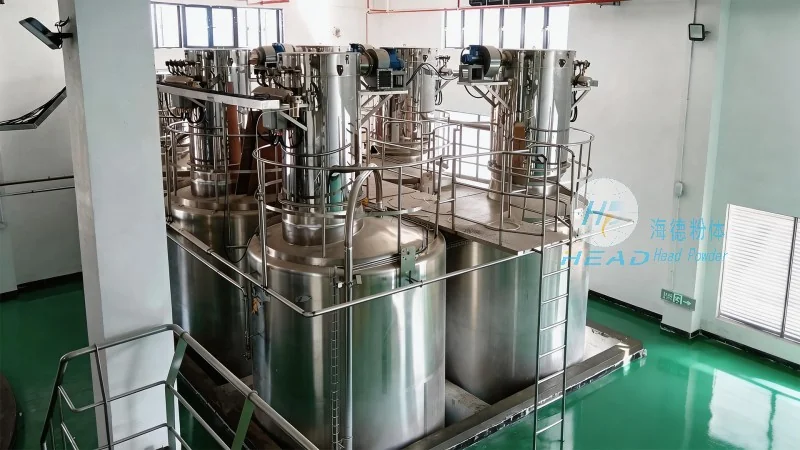
The company’s expertise lies in customizing solutions that meet the specific requirements of each client, considering factors such as the type of copper powder, production volume, and operational environment. By integrating the right design parameters, HeadPowder delivers systems that not only prevent blockages but also enhance overall performance and reduce maintenance costs.
Conclusion: Optimizing Copper Powder Conveying with Proper Design
Preventing pipeline blockages in pneumatic conveying systems for copper powder requires a comprehensive approach that addresses key design parameters. By carefully selecting air velocity, particle characteristics, pipeline dimensions, system configuration, and material of construction, operators can significantly reduce the risk of blockages and maintain smooth, efficient operations. Companies like Shandong HeadPowder Engineering Co., Ltd. play a crucial role in providing expert guidance and tailored solutions to achieve these goals, ensuring that copper powder is transported safely and reliably.