Seasoning powder pneumatic conveying systems represent a sophisticated approach to material handling, particularly in the food processing and seasoning manufacturing industries. These systems utilize air as the primary medium to transport dry powders like spices, flavorings, and other seasoning ingredients from one location to another. The technology offers several advantages over traditional mechanical conveying methods, including reduced contamination risk, improved hygiene standards, and enhanced operational flexibility. As a key component in modern seasoning production lines, understanding the underlying principles and typical working scenarios of these systems is crucial for optimizing production efficiency and maintaining product quality.
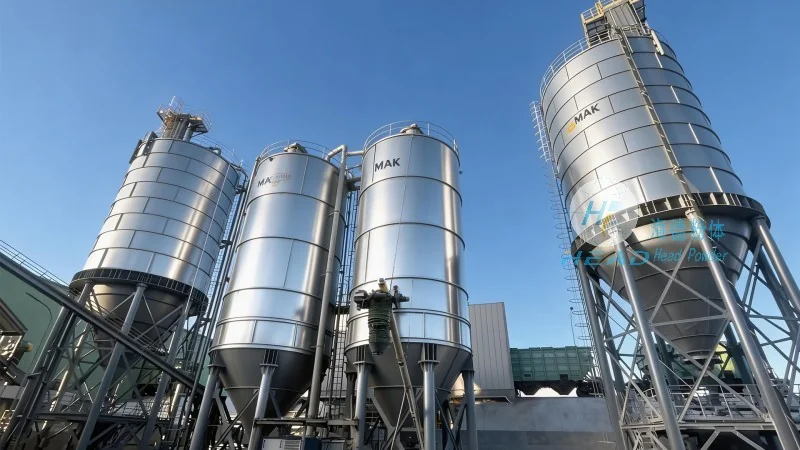
Core Principles of Pneumatic Conveying for Seasoning Powders
The fundamental principle of pneumatic conveying involves the use of compressed air to create a flow that transports dry powder particles. In a typical system, the powder is introduced into a hopper or feeder, where it is then drawn into a pipeline by the moving air stream. The air velocity is carefully controlled to ensure that the powder particles are entrained and transported without clogging or degradation. For seasoning powders, which often have varying particle sizes and moisture content, the system design must account for these characteristics to prevent issues such as bridging, agglomeration, or excessive wear on components. The choice between positive pressure and negative pressure systems depends on factors like the distance of transport, the volume of material, and the need for dust control. Positive pressure systems, where air is blown through the line, are commonly used for long-distance or high-volume conveying, while negative pressure systems, which draw material into the line, are suitable for shorter distances and applications requiring minimal dust emission.
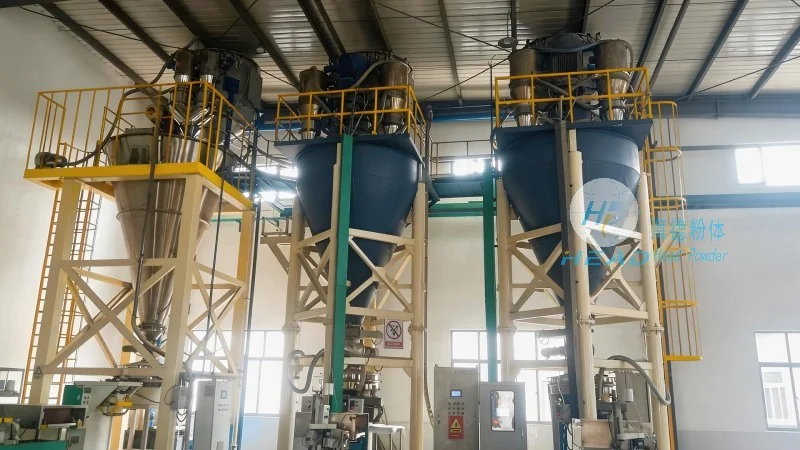
Working Scene Characteristics in Seasoning Production
The working scene characteristics of seasoning powder pneumatic conveying systems are closely tied to the specific requirements of seasoning manufacturing processes. In a typical production line, these systems may be integrated into several key stages, including raw material handling, blending, packaging, and quality control. For instance, after seasoning powders are ground and sieved, a pneumatic conveying system can efficiently transport the final product from the grinding area to the blending silos or packaging stations. This integration ensures a seamless flow of materials, reducing manual handling and the risk of cross-contamination. The systems are also designed to handle different types of seasoning powders, such as salt, pepper, sugar, and various spice blends, each with unique properties that may affect the conveying process. For example, powders with high moisture content or fine particle sizes may require specialized equipment, such as rotary valves or venturi systems, to maintain consistent flow and prevent blockages. Additionally, the systems are often equipped with filtration and dust collection mechanisms to comply with environmental regulations and maintain a clean working environment in the production facility.
Key Components and Their Roles
Several critical components work together to ensure the efficient operation of a seasoning powder pneumatic conveying system. The hopper or feeder is the initial point where the powder is loaded, and it must be designed to prevent material bridging and ensure a consistent feed rate. A rotary valve or feeder is typically used to control the flow of powder into the conveying line, providing a controlled and metered supply. The pipeline itself is made of materials resistant to corrosion and wear, such as stainless steel or plastic, to handle the abrasive nature of seasoning powders. Venturi or eductor devices may be used to accelerate the air flow and entrain the powder particles, especially in systems where the powder is introduced at a high velocity. The air compressor or vacuum pump provides the necessary pressure or suction to drive the conveying process. In addition, filters and dust collectors are essential to remove any residual powder from the air stream, preventing contamination of the environment and ensuring compliance with health and safety standards. Sensors and control systems are often integrated to monitor the system's performance, such as flow rates, pressure, and air quality, allowing for real-time adjustments to maintain optimal operation.
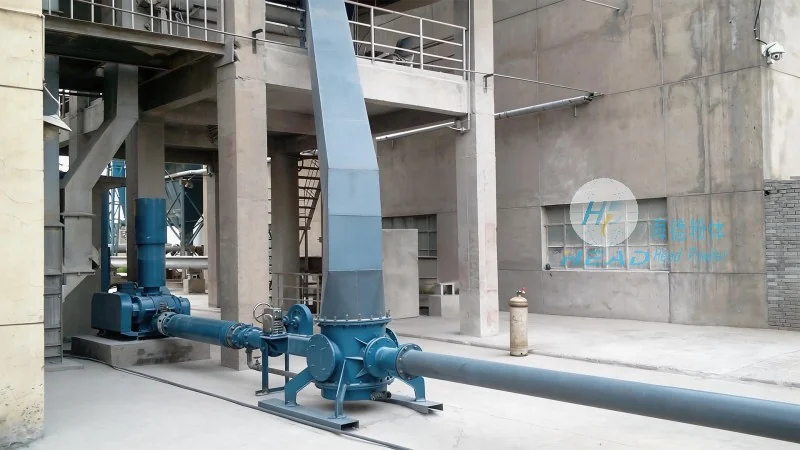
Advantages and Considerations for Seasoning Powder Conveying
Implementing a pneumatic conveying system for seasoning powders offers several advantages that make it a preferred choice in the industry. One of the primary benefits is the ability to maintain a clean and hygienic environment, which is critical in food processing applications. Unlike mechanical conveyors, which may introduce metal parts or contaminants into the powder stream, pneumatic systems use enclosed pipelines, reducing the risk of cross-contamination. Additionally, the systems are flexible and can be easily reconfigured to accommodate changes in production volume or product types, providing adaptability to evolving business needs. However, there are also considerations to keep in mind. For example, the initial investment cost of a pneumatic conveying system can be higher than that of mechanical alternatives, and the energy consumption may be higher due to the use of compressed air. Furthermore, the system's performance is highly dependent on the proper design and maintenance of components, as issues such as clogging or air leaks can significantly impact efficiency. Proper training for operators and regular maintenance schedules are essential to ensure the long-term reliability and effectiveness of the system.




