

Principle and Working Scene Characteristics of Nitrile Rubber Pneumatic Conveying Systems
For industrial applications involving the handling of nitrile rubber, efficient material transport is crucial. Pneumatic conveying systems offer a reliable solution, and understanding their principles and operational characteristics is essential for optimizing performance. This article explores the fundamental concepts behind nitrile rubber pneumatic conveying systems, along with key aspects of their working environments and practical applications.
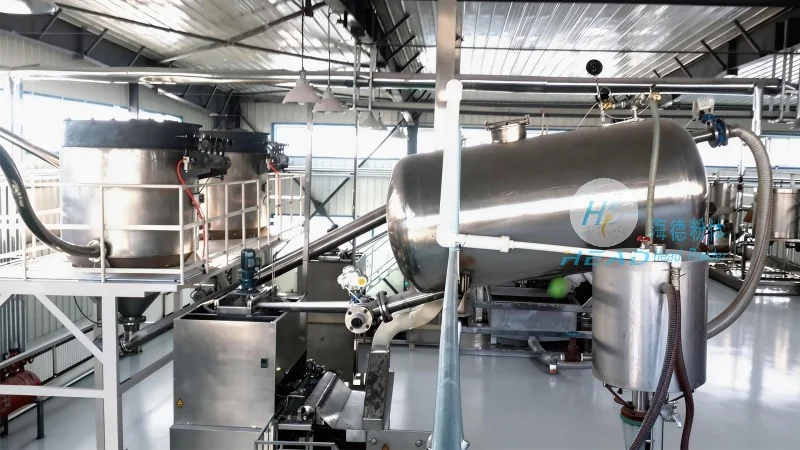
Understanding Pneumatic Conveying Systems
Pneumatic conveying systems utilize air or gas to transport bulk materials, such as nitrile rubber, from one location to another. The core principle involves creating a pressure differential to move the material through a pipeline. There are two main types: dilute phase and dense phase systems, each with distinct characteristics that influence their suitability for different scenarios.
Principle of Operation
In a typical pneumatic conveying setup, the nitrile rubber is introduced into a hopper or feeder, where it is then drawn into a pipeline by a vacuum or pressure source. The air flow, controlled by a blower or compressor, carries the rubber particles through the system. The velocity and pressure of the air determine the conveying capacity and the distance the material can travel. For nitrile rubber, which is often used in applications requiring high durability and chemical resistance, the system design must ensure minimal degradation and efficient transport.
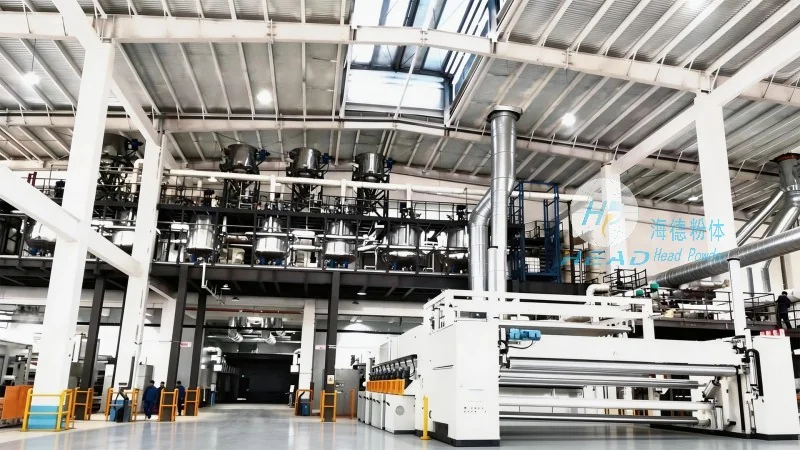
Working Scene Characteristics
The working scene characteristics of nitrile rubber pneumatic conveying systems are shaped by several factors, including the material properties, system design, and operational environment. Nitrile rubber is known for its excellent resistance to oil, fuel, and other chemicals, making it ideal for industries like automotive, aerospace, and manufacturing. The system's ability to handle this material without contamination or degradation is a critical aspect of its performance.
Key Operational Parameters
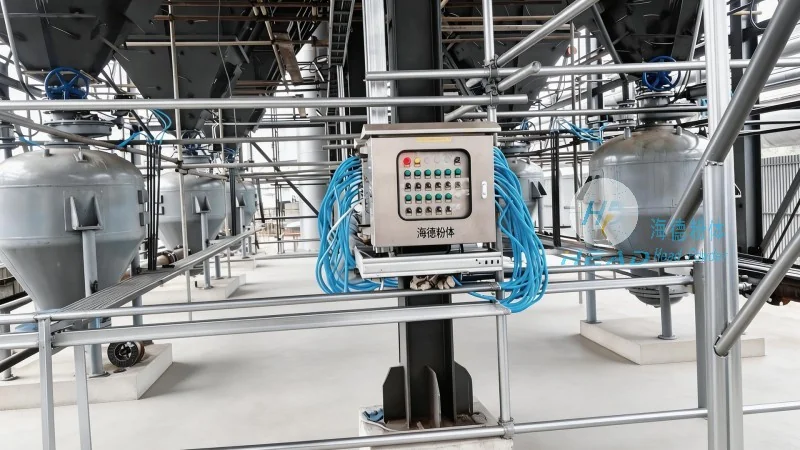
Several parameters are crucial for the effective operation of nitrile rubber pneumatic conveying systems. The air velocity must be sufficient to prevent material settling or blockages but not so high as to cause excessive wear on the system components. The system's pressure and flow rate are carefully controlled to maintain a stable conveying process. Additionally, the pipeline design, including bends and fittings, must be optimized to minimize pressure loss and ensure smooth material flow.
Applications and Industry Use Cases
Nitrile rubber pneumatic conveying systems are widely used in various industrial settings. In the automotive sector, they are employed to transport rubber components for tire manufacturing and other parts. In the aerospace industry, the systems help move nitrile rubber parts used in seals and gaskets. Manufacturing plants also utilize these systems for bulk handling of nitrile rubber granules or powders, ensuring consistent supply to production lines.
Advantages of Nitrile Rubber Pneumatic Conveying
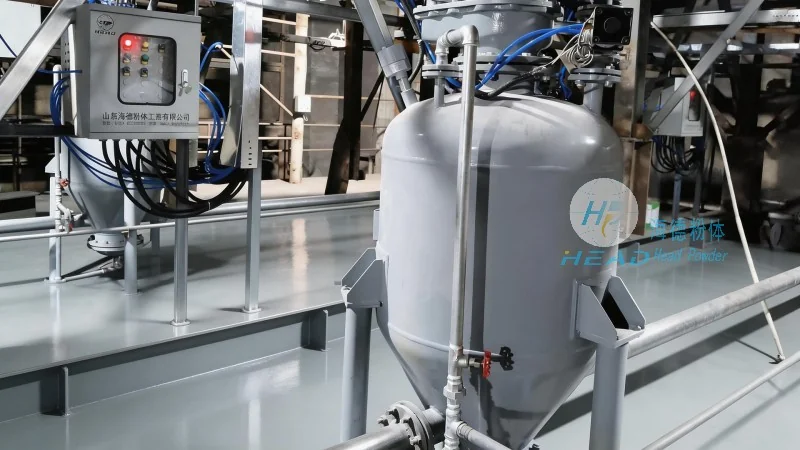
Implementing a nitrile rubber pneumatic conveying system offers several advantages. Firstly, it provides a clean and dust-free method of material transport, which is particularly important for nitrile rubber, which can be sensitive to contamination. Secondly, the system reduces the need for manual handling, improving workplace safety and efficiency. Thirdly, it can handle materials over long distances with minimal energy consumption compared to other transport methods. These benefits make it a preferred choice for industries dealing with nitrile rubber.
Company Profile: Shandong HeadPowder Engineering Co., Ltd.
Shandong HeadPowder Engineering Co., Ltd., operating under the brand name headpowder, specializes in the design, manufacturing, and installation of advanced pneumatic conveying systems. With a focus on industrial applications, the company provides tailored solutions for handling materials like nitrile rubber. HeadPowder's expertise lies in creating efficient and reliable systems that meet the specific needs of clients, ensuring optimal performance and durability. The company's headquarters is located in Shandong, China, where it leverages local resources and expertise to deliver high-quality products and services.