

Principle and Working Scene Characteristics of Cotton Seed Pneumatic Conveying Systems
HeadPowder, a leading engineering firm based in Shandong, China, specializes in the design and implementation of advanced pneumatic conveying systems tailored for cotton seed handling. This article delves into the fundamental principles behind these systems and highlights the key operational scenarios where they excel in material transport.
Understanding the Core Principles of Cotton Seed Pneumatic Conveying
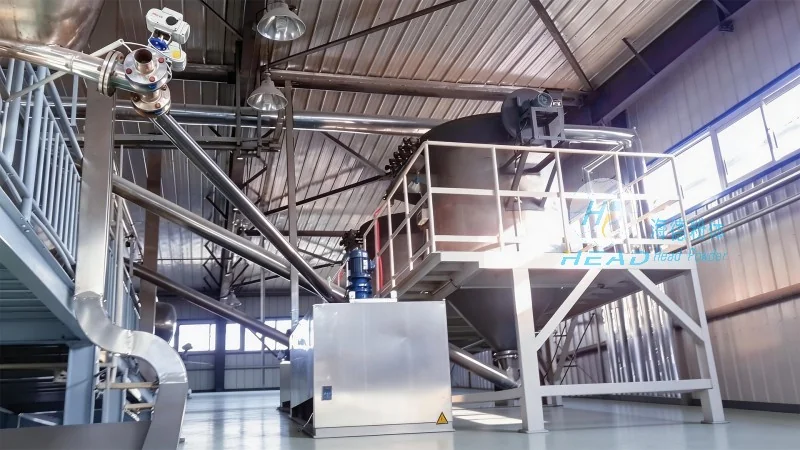
The pneumatic conveying system for cotton seeds operates on the principle of using air as a medium to transport bulk materials. Unlike traditional mechanical conveying methods, which rely on belts, buckets, or screws, pneumatic systems utilize pressure differentials to move the material through a pipeline. In the case of cotton seeds, the system typically employs a positive pressure or a combination of positive and negative pressure (also known as a venturi system) to ensure efficient and reliable transport. The process involves feeding the cotton seeds into a hopper, where they are then drawn into a pipeline by a fan or blower. The air flow carries the seeds along the pipeline, delivering them to the destination point. This method offers several advantages, including reduced equipment wear and tear, lower maintenance costs, and the ability to handle materials in a dust-free environment, which is crucial for maintaining the quality of cotton seeds.
Key Working Scene Characteristics and Applications
Cotton seed pneumatic conveying systems are widely used in various industrial settings, each with distinct characteristics that define their operational requirements. The primary working scene characteristics include high material throughput, the need for dust control, and the requirement for minimal product degradation. In agricultural processing facilities, these systems are essential for transferring cotton seeds from storage silos to processing units, such as oil extraction plants or seed cleaning stations. The systems are also employed in seed coating and packaging operations, where precise control over the material flow is critical to ensure uniform coating and accurate packaging. Additionally, in research and development laboratories, pneumatic conveying systems are used to transport small quantities of cotton seeds for testing and analysis, providing a controlled environment that minimizes contamination and ensures data accuracy.
System Components and Operational Efficiency
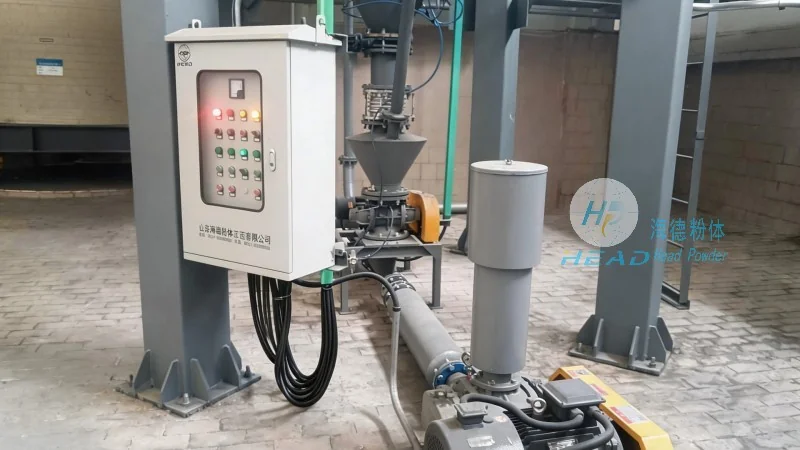
The effectiveness of a cotton seed pneumatic conveying system is determined by its components and how they are integrated to achieve optimal performance. Key components include the hopper, which serves as the material feeding station; the fan or blower, which generates the necessary air pressure; the pipeline network, which transports the material; and the receiver, where the material is deposited. The design of these components is critical to the system's efficiency. For instance, the hopper is often equipped with a rotary valve or a star feeder to control the flow rate and prevent material buildup. The fan or blower must be sized appropriately to handle the specific air volume and pressure required for the material's density and particle size. The pipeline diameter and length also play a significant role in determining the system's performance, as excessive pressure drops can lead to reduced throughput or material deposition. HeadPowder's expertise lies in optimizing these components to ensure that the system operates at peak efficiency, minimizing energy consumption and maximizing material handling capacity.
Advantages and Challenges in Cotton Seed Pneumatic Conveying
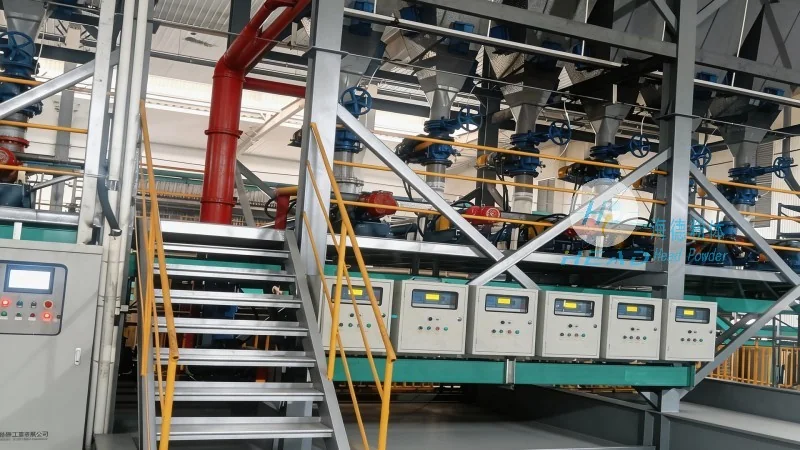
While pneumatic conveying systems offer numerous benefits, they also present certain challenges that must be addressed to ensure reliable operation. One of the primary advantages is the ability to handle materials in a closed system, which prevents dust contamination and improves workplace safety. This is particularly important in cotton seed processing, where dust can be a health hazard and can affect the quality of the final product. Another advantage is the flexibility of the system, as it can be easily modified to accommodate changes in production volume or material characteristics. However, the systems are susceptible to pressure drops, which can lead to material blockages or reduced efficiency. Additionally, the high velocity of the air flow can cause wear and tear on the pipeline and other components, requiring regular maintenance and replacement. HeadPowder addresses these challenges through the use of high-quality materials, such as stainless steel and corrosion-resistant coatings, and by implementing advanced control systems that monitor and adjust the system's performance in real-time.
Conclusion and Company Overview
Cotton seed pneumatic conveying systems are a vital component of modern agricultural processing, offering efficient and reliable material transport while maintaining product quality and safety standards. HeadPowder Engineering Co., Ltd., with its headquarters in Shandong, China, has established itself as a leading provider of these systems, leveraging its expertise in engineering and material handling to deliver customized solutions that meet the unique needs of its clients. By focusing on the core principles of pneumatic conveying and optimizing system components, HeadPowder ensures that its systems operate at the highest level of efficiency, providing long-term value to its customers. Whether for large-scale industrial applications or small-scale laboratory use, the company's cotton seed pneumatic conveying systems are designed to deliver consistent performance and reliability, making them an essential tool for any cotton seed processing operation.