Efficient and reliable material handling is a critical factor in the soybean grain processing industry. Among various technologies, pneumatic conveying systems have emerged as a preferred solution for transporting bulk materials like soybeans with precision and minimal loss. This article delves into the fundamental principles of soybean grain pneumatic conveying systems and explores the distinct characteristics of their operational environments.
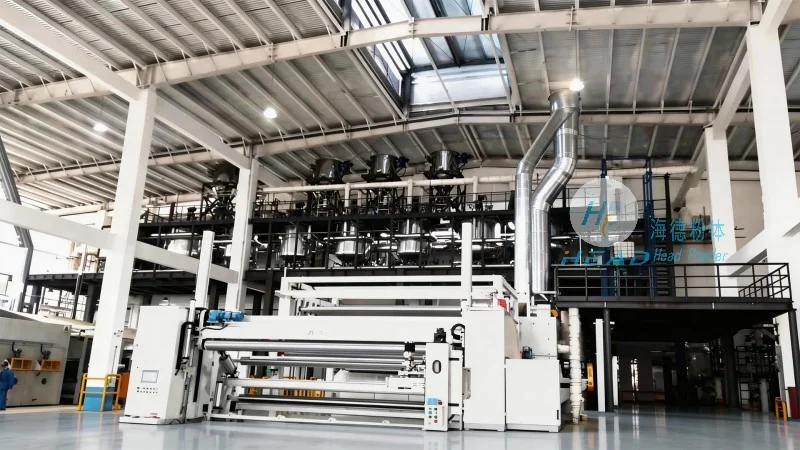
Introduction to Pneumatic Conveying Systems
Pneumatic conveying systems utilize air or gas to transport bulk materials through a pipeline network. The technology is particularly well-suited for handling soybean grains due to its ability to move materials without direct contact, reducing the risk of contamination and mechanical damage. The core components of such a system typically include a material feed hopper, a conveyor line, a control unit, and a discharge mechanism. The system operates by creating a pressure differential, either through suction or pressure, to draw or push the soybean grains along the pipeline.
Working Principle of Soybean Grain Pneumatic Conveying
The working principle of a soybean grain pneumatic conveying system revolves around the interaction between the material and the air flow. When the system is activated, air is introduced into the pipeline, creating a flow that lifts and propels the soybean grains. The velocity of the air is carefully controlled to ensure that the grains are carried without excessive abrasion or breakage. The system may employ different modes of operation, such as dilute-phase or dense-phase conveying, depending on the specific requirements of the soybean grain being transported. Dilute-phase conveying uses higher air velocities to transport materials in a more dispersed state, while dense-phase conveying operates at lower velocities, allowing for a more controlled and gentle movement of the grains.
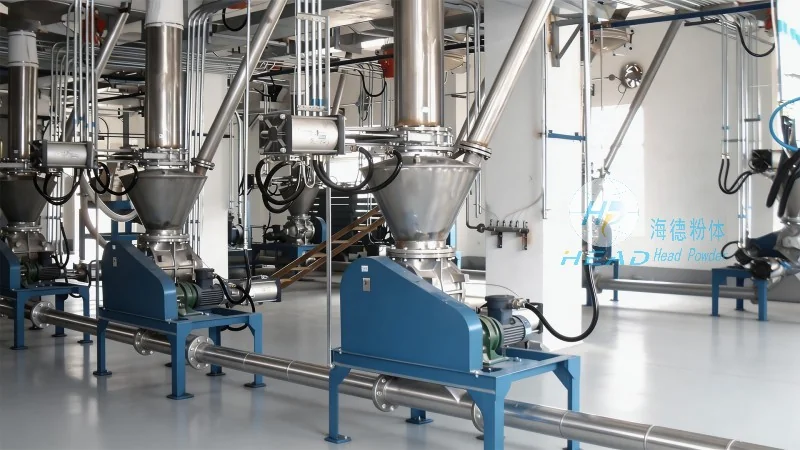
Key Components and Their Functions
Several key components are integral to the effective operation of a soybean grain pneumatic conveying system. The material feed hopper is responsible for storing and feeding the soybean grains into the system, ensuring a consistent flow. The conveyor line, often made of durable materials like stainless steel or polyethylene, is designed to withstand the abrasive nature of soybean grains while maintaining air tightness. The control unit manages the air pressure and flow rates, allowing for precise adjustment based on the volume and characteristics of the soybean grain. The discharge mechanism, typically a valve or a rotary airlock, regulates the release of the soybean grains at the destination point, preventing backflow and ensuring smooth operation.
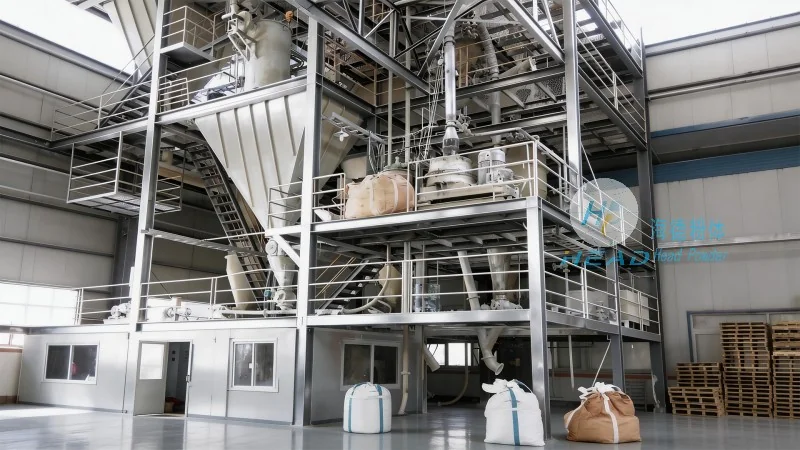
Working Scene Characteristics
The operational environment of soybean grain pneumatic conveying systems varies significantly based on the application. In agricultural settings, such systems are commonly used in grain storage facilities to transfer soybeans from storage silos to processing units. The working scene may involve large volumes of soybean grains, requiring high-capacity conveying systems to meet production demands. In industrial processing plants, the system may be integrated into a larger production line, where the soybean grains are conveyed to various processing stages, including cleaning, drying, and packaging. The working environment may also include considerations for dust control and air filtration, as soybean grains can generate significant dust during handling. Additionally, the system may need to operate in different climatic conditions, such as temperature variations or humidity levels, which can affect the performance and efficiency of the conveying process.
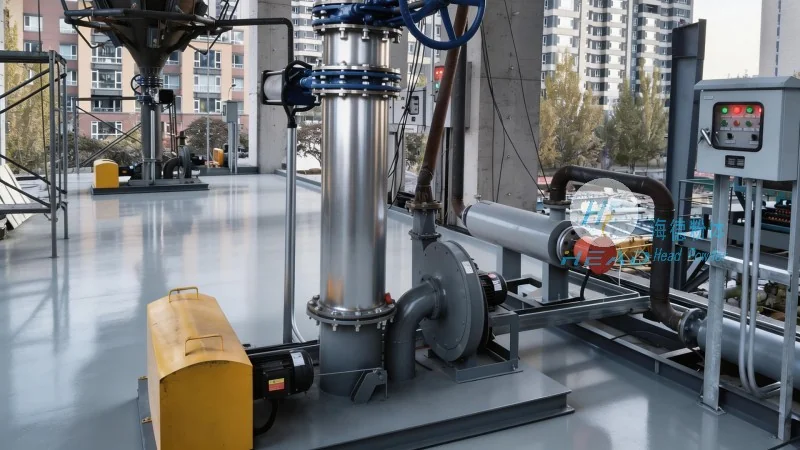
Advantages and Applications
Soybean grain pneumatic conveying systems offer several advantages that make them a preferred choice in the industry. These include the ability to handle a wide range of grain sizes and moisture contents, the reduction of labor costs associated with manual handling, and the prevention of material contamination. The systems are also highly adaptable, allowing for integration into existing processing lines or expansion to accommodate increased production volumes. In the context of soybean grain processing, these systems are widely used in applications such as bulk handling, storage, and transportation. They are particularly beneficial in environments where hygiene and product quality are paramount, as the enclosed pipeline system minimizes exposure to external contaminants.
About HeadPowder: Shandong HeadPowder Engineering Co., Ltd.
HeadPowder, or Shandong HeadPowder Engineering Co., Ltd., is a leading manufacturer specializing in the design and production of pneumatic conveying systems for various bulk materials, including soybean grains. With a strong presence in China, particularly in Shandong, the company has established itself as a trusted provider of high-quality conveying solutions. HeadPowder's expertise lies in customizing systems to meet the specific needs of clients, ensuring optimal performance and efficiency. The company's commitment to innovation and quality has enabled it to deliver reliable and durable pneumatic conveying systems that enhance the productivity and safety of soybean grain handling operations.




