

Principle and Working Scene Characteristics of Powdered Lithium-Ion Battery Gas-Pneumatic Conveying
HeadPowder, a prominent engineering firm headquartered in Shandong, China, is dedicated to providing innovative material handling solutions for the battery industry. The company specializes in the development and implementation of gas-pneumatic conveying systems designed specifically for the transportation of lithium-ion battery powders. This article delves into the operational principles of these systems and outlines the key working scene characteristics that enhance their effectiveness in modern battery manufacturing environments.
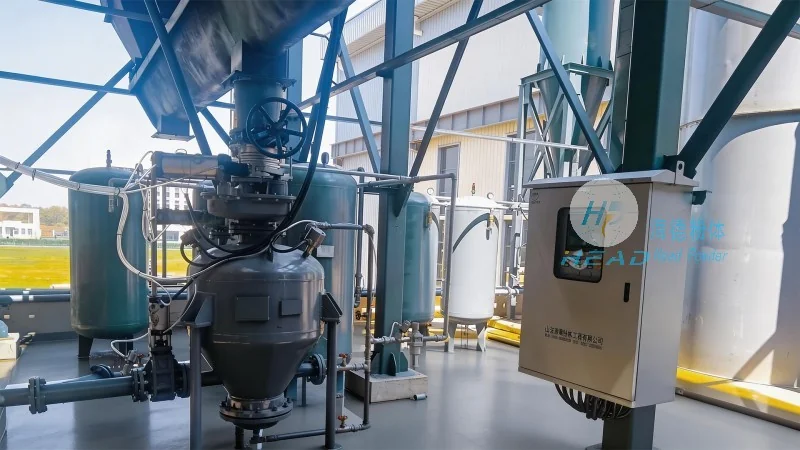
The Core Principle of Gas-Pneumatic Conveying for Battery Powders
The gas-pneumatic conveying system operates on the principle of transporting particulate materials, such as lithium-ion battery powders, using a pressurized air or gas stream. Unlike traditional mechanical conveying methods, this system utilizes the kinetic energy of the moving air to move the powder through a pipeline. The process involves several critical components, including a material feeder, a conveying line, and a control system, all working in tandem to ensure consistent and controlled powder flow. The system's design is optimized to handle the specific properties of battery powders, such as their fine particle size, electrostatic charge, and potential reactivity, ensuring safe and efficient transportation.
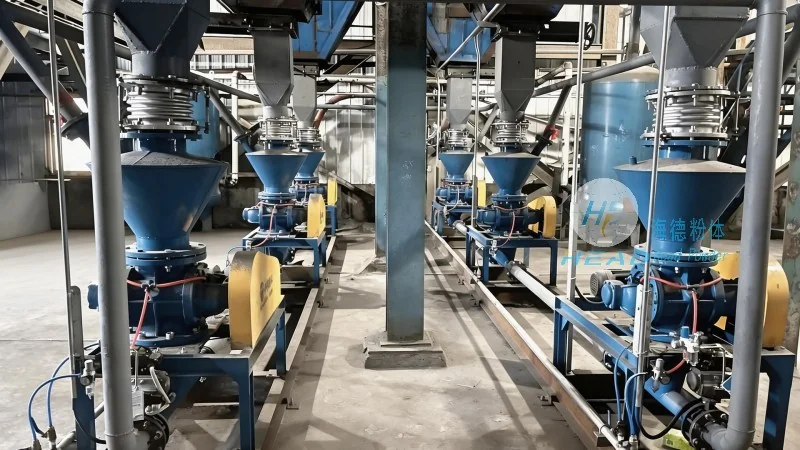
Key Working Scene Characteristics of the System
The gas-pneumatic conveying system for lithium-ion battery powders exhibits several distinct working scene characteristics that enhance its applicability in various industrial settings. Firstly, it offers a dust-free and enclosed operation environment, which is crucial for maintaining air quality and preventing the spread of fine powders in manufacturing facilities. This feature aligns with stringent environmental regulations and improves workplace safety. Secondly, the system provides high flexibility in terms of layout and integration, allowing it to be adapted to different production line configurations without significant modifications. This adaptability is particularly valuable in dynamic manufacturing environments where production processes may evolve over time. Thirdly, the system ensures minimal product contamination and degradation, as the enclosed pipeline and controlled air flow prevent exposure to external elements or contaminants. This is vital for maintaining the quality and performance of the battery powders, which directly impacts the final product's efficiency and lifespan. Additionally, the system offers energy efficiency compared to traditional methods, as it minimizes energy consumption through optimized air pressure and flow rates, contributing to cost savings and reduced operational expenses for manufacturers.
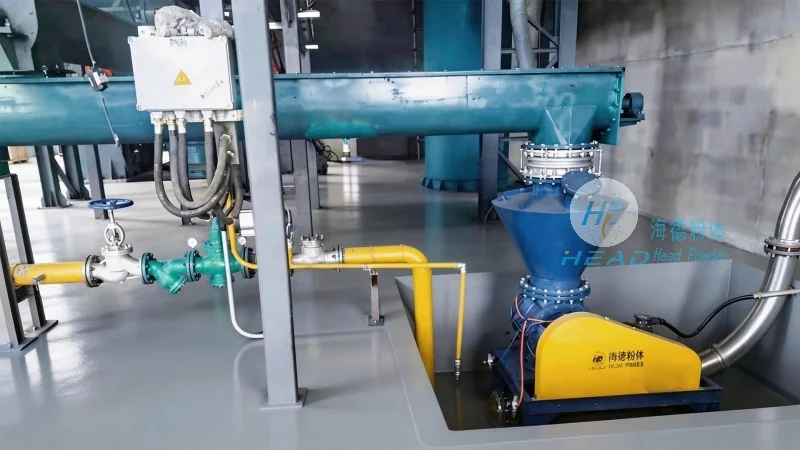
Application Scenarios and Industry Impact
The gas-pneumatic conveying system is widely used in various stages of lithium-ion battery production, from raw material handling to finished product packaging. In the raw material stage, it efficiently transports battery powders from storage silos to mixing and blending equipment, ensuring a consistent feed rate and preventing material segregation. During the cell manufacturing process, the system delivers the powder to the electrode formation and coating machines, where precise control over the powder flow is essential for uniform electrode thickness and quality. In the final assembly and packaging stages, the system can be used to transport finished battery components or powders for quality control and testing. The working scene characteristics, such as dust control and enclosed operation, are particularly beneficial in these stages, as they help maintain a clean and safe working environment, which is critical for both product quality and employee health. Furthermore, the system's reliability and low maintenance requirements make it a preferred choice for continuous production lines, reducing downtime and increasing overall productivity in battery manufacturing facilities.