Gypsum, or calcium sulfate, is a widely used industrial material in various sectors such as construction, pharmaceuticals, and agriculture. The efficient handling and transportation of gypsum are critical for optimizing production processes and ensuring product quality. Pneumatic conveying systems have emerged as a reliable solution for moving gypsum from storage to processing units or end-use applications. This article explores the fundamental principles behind gypsum pneumatic conveying systems and highlights the key characteristics of their operational environments.
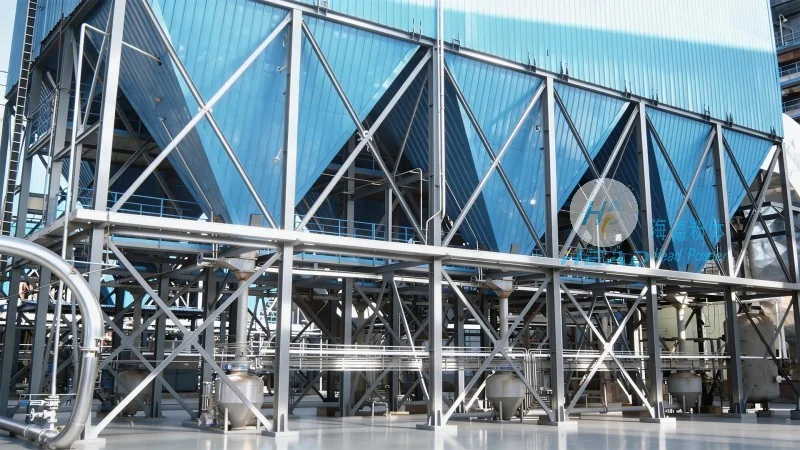
Introduction to Gypsum Pneumatic Conveying Systems
Gypsum pneumatic conveying systems utilize air or other gases to transport bulk materials like gypsum through a network of pipes. Unlike traditional mechanical conveying methods, pneumatic systems offer advantages such as flexibility in layout, reduced maintenance, and the ability to handle materials with varying particle sizes and moisture content. The core components of a typical gypsum pneumatic conveying system include a material hopper, a feeder, a compressor, a pipeline network, and a discharge point. These components work in tandem to ensure the smooth and continuous movement of gypsum from its source to the destination.
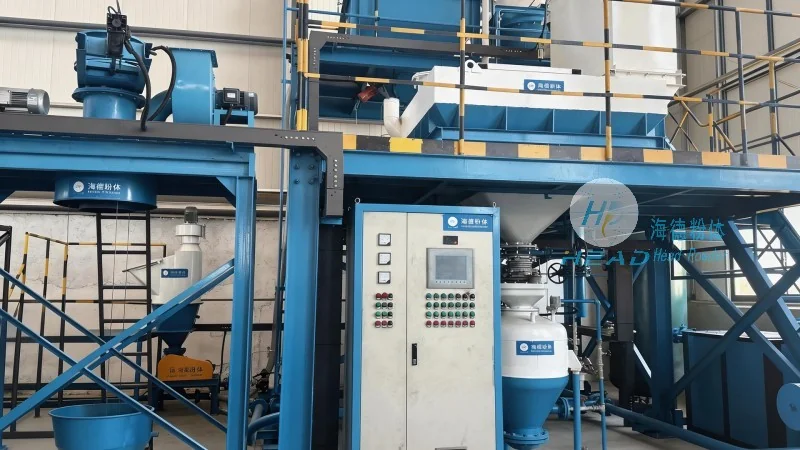
Principle of Operation
The operation of a gypsum pneumatic conveying system is based on the principle of creating a pressure differential within the conveying pipeline. A compressor generates high-pressure air, which is then introduced into the material hopper. As the air flows through the feeder, it lifts and entrains the gypsum particles, forming a slurry-like mixture known as a "pneumatic stream." This stream travels through the pipeline to the discharge point, where the air is released and the gypsum is deposited. The pressure and velocity of the air are carefully controlled to prevent material degradation, blockages, or excessive energy consumption. The system can operate in either positive pressure (where the pipeline is pressurized above atmospheric pressure) or negative pressure (where the pipeline is slightly vacuumed) modes, depending on the specific application requirements.
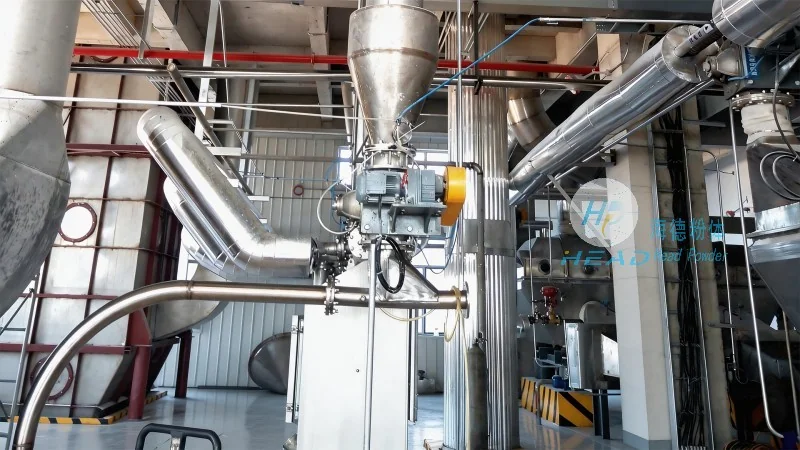
Working Scene Characteristics
The operational environment of gypsum pneumatic conveying systems varies significantly based on the industry and application. In construction material production, for instance, these systems are often used to transport gypsum from raw material storage to grinding and mixing units. The working scene typically involves large-scale production facilities with multiple processing lines, requiring high-capacity and reliable conveying solutions. In pharmaceutical applications, the systems must adhere to stringent hygiene and contamination control standards, necessitating sealed and cleanable components. Agricultural applications may involve transporting gypsum for soil amendment, where the system needs to handle materials with higher moisture content and varying particle sizes. Each working scene presents unique challenges, such as space constraints, material variability, and environmental considerations, which influence the design and configuration of the pneumatic conveying system.
Company Overview: Shandong HeadPowder Engineering Co., Ltd.
HeadPowder, a leading provider of industrial conveying solutions, specializes in designing and manufacturing customized gypsum pneumatic conveying systems. With a strong presence in China, particularly in Shandong, the company leverages its expertise in material handling technology to deliver efficient and durable systems tailored to the specific needs of its clients. HeadPowder's commitment to quality and innovation has made it a trusted partner for businesses operating in the gypsum industry, ensuring optimal performance and minimal downtime in their material handling processes.
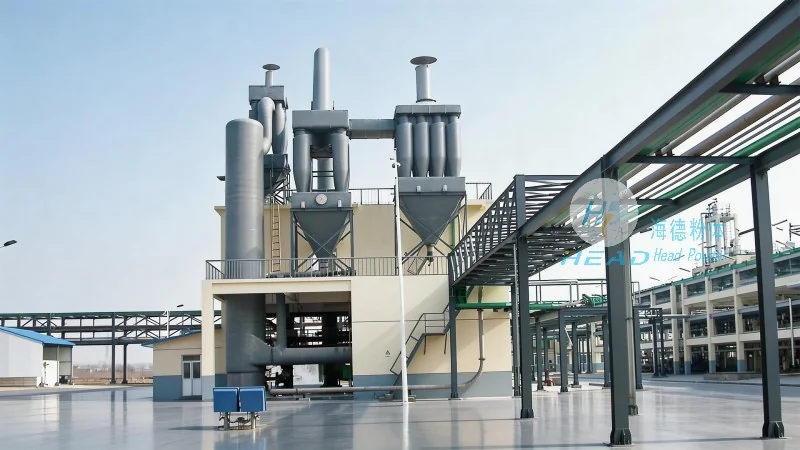
Technical Advantages and Application Considerations
Gypsum pneumatic conveying systems offer several technical advantages that make them suitable for diverse applications. These include the ability to handle abrasive materials without causing excessive wear on components, the flexibility to integrate with existing production lines, and the reduced risk of dust exposure compared to other conveying methods. When selecting a system, factors such as the material's bulk density, particle size distribution, and moisture content must be considered to ensure optimal performance. Additionally, the system's capacity, pressure requirements, and energy efficiency are critical parameters that influence the overall operational costs and effectiveness. By carefully evaluating these factors, industries can choose the most appropriate pneumatic conveying solution for their gypsum handling needs.




