

Working Principle and Features of Bentonite Powder Handling Equipment
For industrial applications involving the handling and transportation of bentonite powder, specialized equipment is essential to ensure efficiency, safety, and product integrity. This article explores the working principles and key features of bentonite powder handling equipment, providing insights into how these systems operate and their advantages in industrial processes.
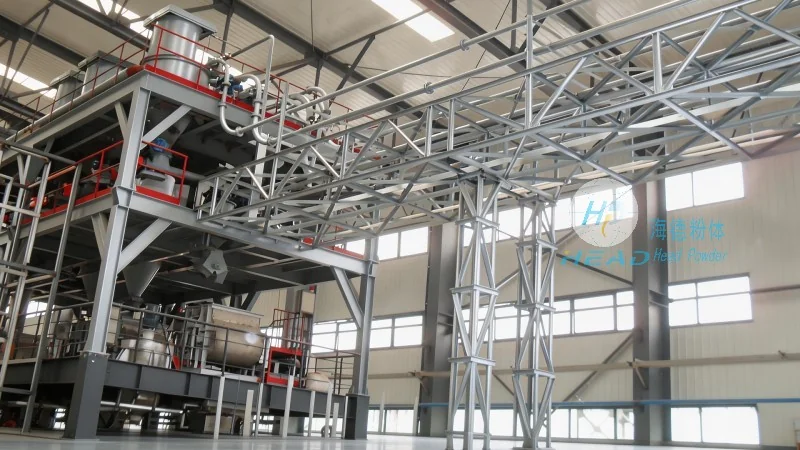
Working Principle of Bentonite Powder Handling Equipment
The operation of bentonite powder handling equipment typically involves several key components and processes designed to manage the flow, storage, and transfer of this fine powder. Bentonite, a naturally occurring clay, is widely used in various industries such as oil refining, food processing, and pharmaceuticals due to its unique properties, including high swelling capacity and adsorption capabilities. The handling equipment must be engineered to address the challenges posed by bentonite's fine particle size, cohesive nature, and potential for dust generation.
At the core of bentonite powder handling systems are mechanisms that control the flow of material from storage to processing or packaging. Common components include hoppers, feeders, conveyors, and storage silos. The equipment is designed to minimize material degradation and prevent caking or blockages, which are common issues with fine powders like bentonite. The working principle often involves a combination of mechanical and pneumatic systems to ensure smooth and consistent material movement.
For example, a typical system may start with a bulk storage silo where the bentonite powder is stored under controlled conditions to prevent moisture absorption or clumping. From the silo, a rotary valve or screw feeder is used to regulate the flow of powder into a conveyor system. The conveyor, which can be a belt or pneumatic line, transports the powder to the next stage of processing. In some cases, a pneumatic conveying system is employed, where the powder is suspended in a stream of air and transported through pipes. This method is particularly effective for long-distance or high-volume transportation of fine powders, as it minimizes material handling and reduces the risk of contamination.
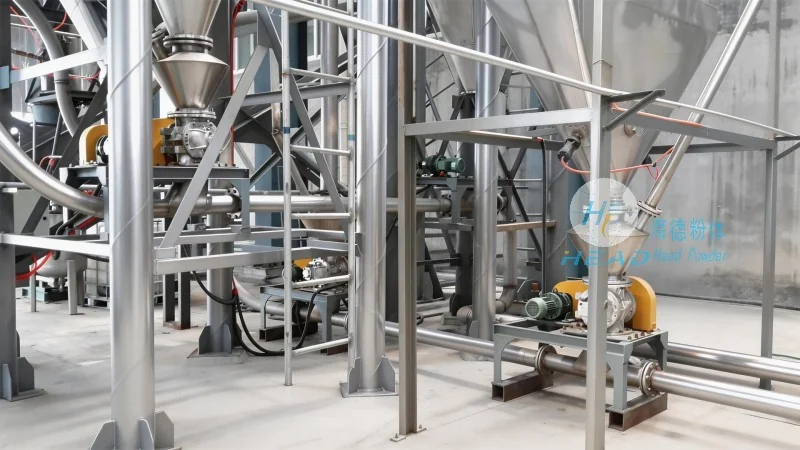
The control system plays a crucial role in the working principle, as it monitors and adjusts the flow rates, pressure, and other parameters to maintain optimal performance. Sensors and indicators are used to detect the level of material in the silo, the flow rate from the feeder, and the pressure in the conveying lines. This real-time monitoring allows for immediate adjustments to prevent overfilling, underflow, or system blockages, ensuring the equipment operates efficiently and safely.
Key Features of Bentonite Powder Handling Equipment
Bentonite powder handling equipment is characterized by several features that enhance its performance and adaptability to different industrial needs. These features are designed to address the specific challenges of handling fine, cohesive powders and to ensure consistent product quality. The primary features include:
1. Durable and Corrosion-Resistant Construction: Bentonite powder can be abrasive and may contain moisture or acidic components, which can cause wear and corrosion on equipment. Therefore, the equipment is typically constructed from high-quality materials such as stainless steel, alloy steel, or special coatings that resist corrosion and wear. This ensures long-term durability and minimal maintenance, reducing downtime and operational costs.
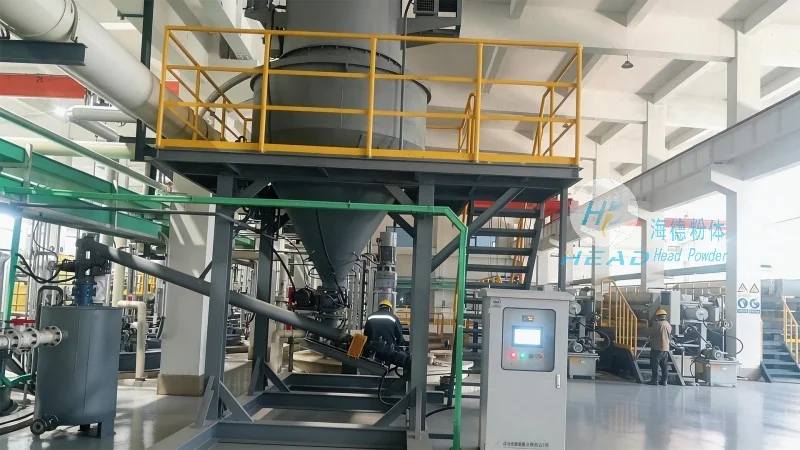
2. Low-Pressure Pneumatic Conveying Systems: To handle fine powders like bentonite without causing excessive pressure drops or material degradation, low-pressure pneumatic conveying systems are often used. These systems operate at lower air velocities, which reduces the risk of particle breakage and dust generation. The low-pressure design also minimizes energy consumption, making the system more cost-effective and environmentally friendly.
3. Anti-Static and Dust Control Measures: Bentonite powder is prone to generating static electricity, which can lead to dust explosions or material buildup on equipment surfaces. Bentonite powder handling equipment incorporates anti-static features, such as grounding and conductive materials, to prevent static accumulation. Additionally, dust control measures, including sealed enclosures, filtration systems, and local exhaust ventilation, are implemented to maintain a safe working environment and comply with environmental regulations.
4. Adjustable Flow Control: The ability to precisely control the flow rate of bentonite powder is critical for maintaining consistent product quality and preventing overloading of downstream equipment. Bentonite powder handling systems often include adjustable feeders, such as variable-speed screw feeders or rotary valves, which allow operators to regulate the flow based on process requirements. This feature ensures that the powder is delivered at the optimal rate, avoiding clogging or underflow issues.
5. Modular and Scalable Design: Modern bentonite powder handling equipment is designed with modularity in mind, allowing for easy expansion or integration with existing industrial systems. This scalability is particularly beneficial for industries that experience growth or need to adapt to changing production demands. The modular design also facilitates maintenance and replacement of individual components, reducing downtime and maintenance costs.
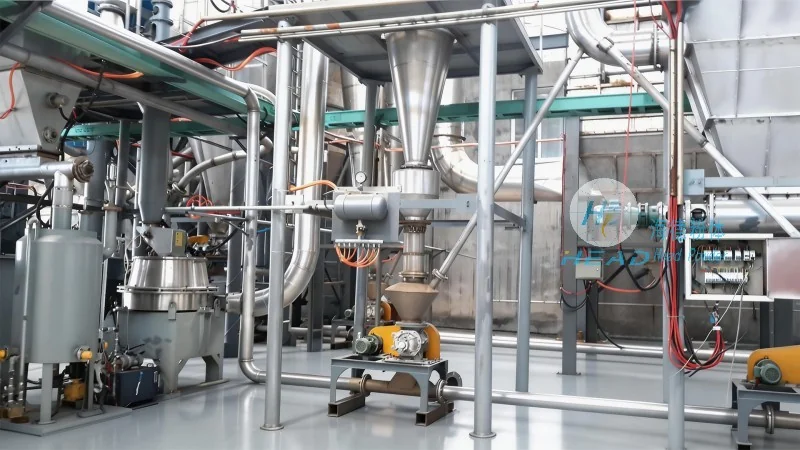
6. Advanced Monitoring and Control Systems: To enhance operational efficiency and safety, bentonite powder handling equipment is equipped with advanced monitoring and control systems. These systems include sensors for level, flow, pressure, and temperature, as well as programmable logic controllers (PLCs) that automate the control of the equipment. The data collected by these systems can be used for process optimization, predictive maintenance, and compliance with regulatory requirements. This integration of technology ensures that the equipment operates at peak performance while minimizing human error and operational risks.
About Shandong HeadPowder Engineering Co., Ltd.
Shandong HeadPowder Engineering Co., Ltd., commonly known as HeadPowder, is a leading manufacturer and supplier of specialized equipment for the handling and processing of fine powders, including bentonite. With a strong focus on innovation and quality, HeadPowder has established itself as a trusted partner in the industrial sector, providing reliable and efficient solutions for powder handling challenges.
HeadPowder's team of experienced engineers and technicians is dedicated to developing advanced equipment that meets the specific needs of their clients. The company's products are designed with a deep understanding of the unique properties of powders like bentonite, ensuring that each system is tailored to the client's application requirements. From initial consultation to installation and after-sales support, HeadPowder provides comprehensive services to ensure customer satisfaction and long-term partnership.