Gray calcium powder, a widely used industrial material, necessitates efficient and reliable transport solutions for its handling across various production processes. The pneumatic conveying system stands out as a pivotal technology for such applications, enabling the movement of bulk materials like gray calcium powder through a network of pipes via air pressure. This article explores the fundamental principles of gray calcium powder pneumatic conveying systems and examines the specific characteristics of their operational scenarios, offering insights into how these systems function and where they are most effectively deployed.
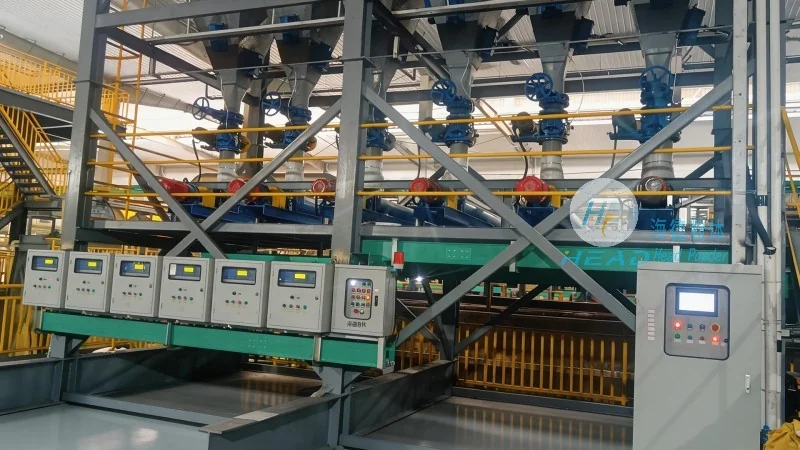
Understanding the Core Principle of Pneumatic Conveying for Gray Calcium Powder
The fundamental principle of a pneumatic conveying system revolves around the utilization of compressed air or gas to transport bulk materials through a pipeline. For gray calcium powder, which typically exhibits fine particle size and moderate density, the system operates by generating an air flow that lifts and propels the powder particles through the system. This process depends on the interaction between the air stream and the material particles, with different system types categorized based on pressure and flow characteristics. Positive pressure systems are often preferred for gray calcium powder due to their capability to handle fine materials efficiently while maintaining system efficiency and minimizing particle degradation.
At the core of the system is the air compressor, which generates the necessary pressure to move the material. Compressed air is introduced into the conveying line, where it meets the gray calcium powder at a feeding point. The powder is then entrained by the air stream and carried through the pipeline to the discharge point. The design of the feeding mechanism—such as a rotary valve or venturi feeder—is critical for ensuring consistent and controlled material flow into the system. This control is essential for maintaining process stability and preventing issues like blockages or uneven material distribution.
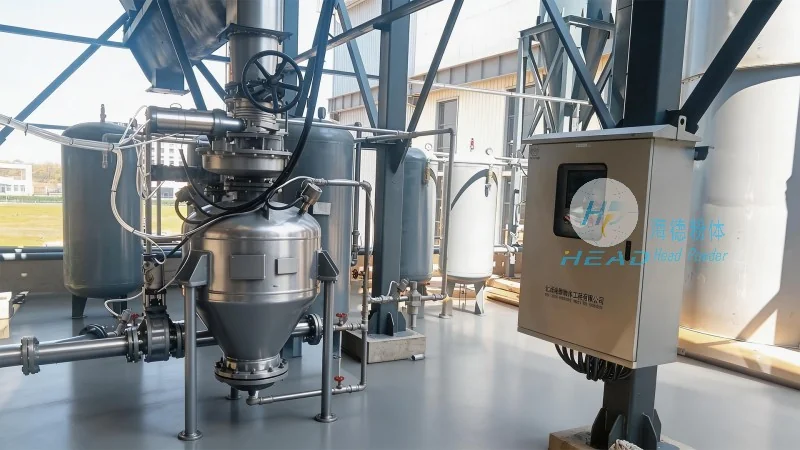
Key Components and Their Roles in Gray Calcium Powder Pneumatic Conveying
Several key components collaborate to ensure the smooth operation of a gray calcium powder pneumatic conveying system. The air compressor serves as the primary power source, providing the required pressure to move the material. The conveying pipes, commonly made of stainless steel or plastic, are engineered to withstand pressure and the corrosive nature of gray calcium powder. The feeding equipment—including hoppers and rotary valves—controls how the powder enters the system. The separation and cleaning equipment, such as cyclones or filters, separate air from the powder at the discharge end, preventing dust and ensuring the material is delivered in a clean state. The control system, which may include sensors and valves, monitors pressure, flow, and other parameters to maintain optimal operation and prevent failures.
Working Scenario Characteristics: Applications and Benefits
The working scenario characteristics of gray calcium powder pneumatic conveying systems are shaped by the specific needs of the applications they serve. These systems are widely used in industries like construction, manufacturing, and chemical processing, where gray calcium powder is a key raw material. Benefits of using pneumatic conveying for gray calcium powder include improved material handling efficiency, reduced labor costs, and enhanced safety compared to traditional methods like manual handling or truck transport. The systems can handle large volumes over long distances, making them suitable for both small-scale and large-scale production facilities.
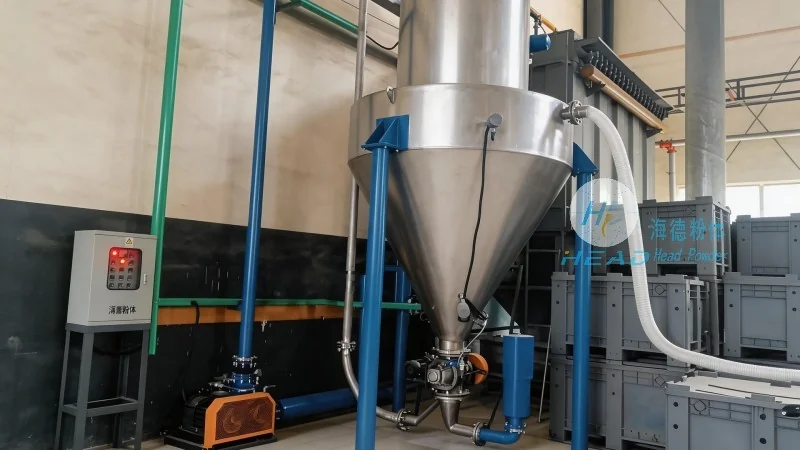
In industrial settings, the working scenario may involve transporting gray calcium powder from storage silos to processing equipment or from production lines to packaging areas. The flexibility of pneumatic conveying systems allows seamless integration into existing production lines, minimizing disruption and maximizing productivity. The ability to handle fine powders without causing dust or contamination is particularly important in applications where material quality is critical, such as in building material or coating production. Additionally, the systems can operate in various environments—indoor or outdoor—making them adaptable to diverse facility layouts and operational requirements.
Operational Considerations and Best Practices for Gray Calcium Powder Pneumatic Conveying
When implementing a gray calcium powder pneumatic conveying system, several operational considerations must be addressed to ensure optimal performance and longevity. The selection of the appropriate system type—positive or negative pressure—depends on factors like material properties, distance to be covered, and system layout. For gray calcium powder, positive pressure systems are generally more suitable due to their ability to handle fine particles and maintain consistent flow. System design must also account for potential material buildup or blockages, mitigated through proper pipe sizing, cleaning mechanisms, and regular maintenance.
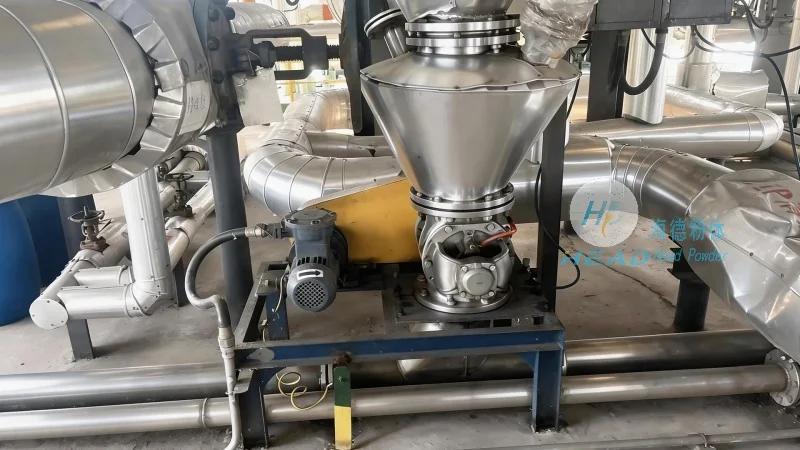
Regular maintenance is crucial for reliable operation. This includes checking the air compressor for proper pressure and performance, inspecting conveying pipes for wear or corrosion, and cleaning separation equipment to prevent dust accumulation. The feeding equipment should be maintained to ensure consistent material flow, as variations can impact overall system performance. The control system must be calibrated regularly to ensure accurate monitoring and control of the conveying process. By following these best practices, the system can operate efficiently and reliably, providing consistent performance over its service life.
Conclusion: The Role of Gray Calcium Powder Pneumatic Conveying Systems in Modern Industry
Gray calcium powder pneumatic conveying systems represent a sophisticated and efficient solution for bulk material transport in industrial applications. By leveraging air pressure and material entrainment principles, these systems offer significant advantages over traditional handling methods, including improved efficiency, reduced labor costs, and enhanced safety. The working scenario characteristics of such systems are tailored to the specific needs of various industries, making them versatile and adaptable to different production environments. As industrial processes evolve, the importance of reliable material handling solutions like pneumatic conveying systems will only grow, ensuring gray calcium powder and other bulk materials can be transported effectively and safely to meet modern manufacturing and construction demands.




