

Principles and Application Scenarios of Biomass Pneumatic Conveying Systems
Biomass pneumatic conveying systems represent a sophisticated technology designed to transport bulk materials, particularly biomass, through a pipeline using air as the conveying medium. This method is widely recognized for its efficiency in handling various types of biomass, including wood chips, straw, and other organic materials. The core principle of pneumatic conveying involves creating a pressure differential within the system, which propels the material along the pipeline. By utilizing air flow, these systems can transport materials over considerable distances and elevations, making them ideal for industrial applications where traditional mechanical conveyors may be less effective.
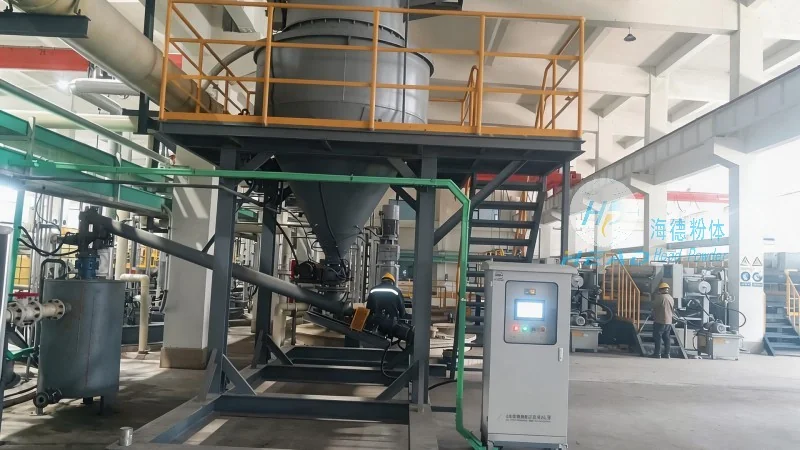
The fundamental mechanism of biomass pneumatic conveying operates on the principle of fluidization and suspension. As air is introduced into the material stream, it lifts and suspends the particles, allowing them to be carried through the pipeline. This process is governed by factors such as air velocity, material density, and particle size. The system typically consists of a feeding unit, a conveying pipeline, a separation or collection device, and a dust control system. The feeding unit ensures a consistent flow of biomass into the pipeline, while the pipeline itself is designed to minimize friction and pressure loss. The separation device, often a cyclone or filter, removes any fine particles or dust from the air stream, ensuring clean air discharge and material recovery.
Key Working Principles of Biomass Pneumatic Conveying
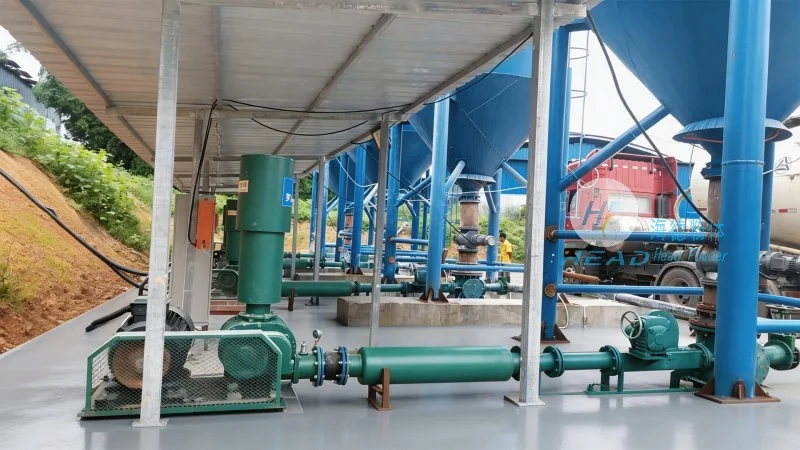
At the heart of biomass pneumatic conveying lies the balance between air pressure and material properties. The system can operate in either positive pressure or negative pressure modes. Positive pressure systems, also known as pressure conveying, generate higher air pressure at the inlet, pushing the material through the pipeline. This method is suitable for short to medium distances and can handle materials with higher moisture content. Negative pressure systems, or vacuum conveying, create a lower pressure at the inlet, drawing material into the pipeline. This approach is ideal for longer distances and is commonly used in applications where dust control is critical, as the system draws air and material from the source, preventing dust from escaping into the environment.
Material characteristics play a crucial role in determining the optimal conveying method. For instance, materials with high moisture content or fine particles may require higher air velocities to maintain suspension. Conversely, larger or denser particles may need higher pressure differentials to ensure effective transport. The design of the system, including the size and configuration of the pipeline, the type of air nozzle, and the placement of separation devices, is tailored to the specific material being conveyed. This customization ensures that the system operates efficiently, minimizing energy consumption and maximizing material throughput.
Application Scenarios and Industry Use Cases
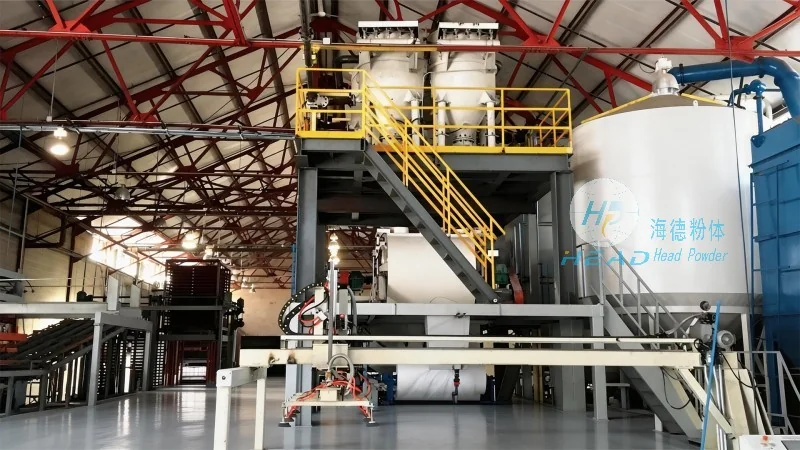
Biomass pneumatic conveying systems find extensive applications across various industries, particularly in the renewable energy sector. One of the primary use cases is in biomass power plants, where the system is used to transport raw biomass from storage facilities to the boiler or gasifier. This ensures a continuous and reliable supply of fuel, which is essential for maintaining consistent power generation. The system's ability to handle large volumes of biomass efficiently makes it a preferred choice for power generation facilities, where the demand for fuel is high and the need for reliable supply is paramount.
In the biofuel industry, biomass pneumatic conveying is utilized in the production of pellets, briquettes, and other solid biofuels. The system efficiently transports raw biomass to processing units, where it is converted into high-energy-density fuels. This process involves drying, grinding, and compressing the biomass, and the pneumatic conveying system ensures that each step receives a consistent and adequate supply of raw material. The system's flexibility allows it to handle different types of biomass, such as agricultural residues or forest byproducts, making it adaptable to various biofuel production processes.
Another significant application is in the agricultural and forestry sectors, where biomass is used as a feedstock for composting or as a raw material for animal bedding. The system facilitates the transport of biomass from fields or storage areas to processing facilities, enabling efficient handling and processing. This application is particularly beneficial in regions with abundant biomass resources, as it allows for the utilization of local materials and reduces transportation costs associated with traditional methods.
The system also finds application in the manufacturing of wood-based products, such as particleboard or fiberboard. In these processes, biomass is used as a raw material, and the pneumatic conveying system ensures that the material is delivered to the production line in a controlled manner. This not only improves the efficiency of the manufacturing process but also reduces waste by ensuring that all material is utilized effectively.
Advantages and Considerations in Biomass Pneumatic Conveying
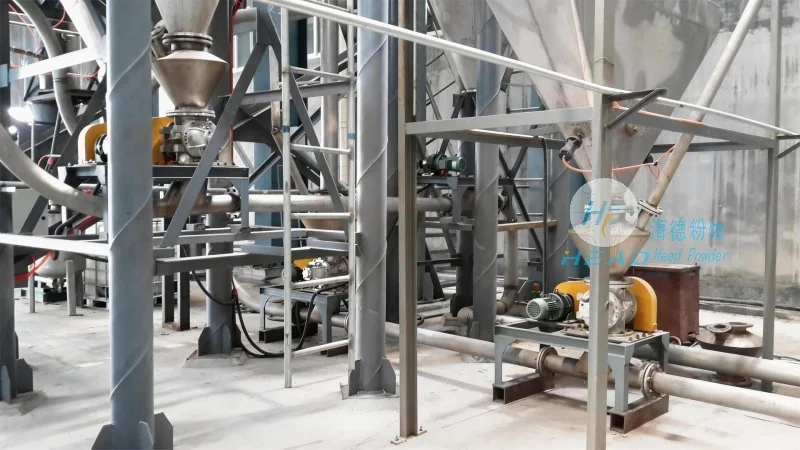
Biomass pneumatic conveying systems offer several advantages over traditional mechanical conveyors. One of the key benefits is the ability to transport materials over long distances and vertical elevations without the need for multiple transfer points. This reduces the complexity of the system and minimizes the risk of material spillage or contamination. Additionally, the system is relatively compact and can be integrated into existing facilities, making it a cost-effective solution for many applications.
Another advantage is the system's ability to handle a wide range of materials, including those with high moisture content or fine particles. Unlike mechanical conveyors, which may struggle with sticky or abrasive materials, pneumatic conveying systems can effectively transport these materials without causing damage or blockages. This makes them suitable for a variety of biomass types, including straw, sawdust, and wood chips.
However, there are also considerations to keep in mind when implementing a biomass pneumatic conveying system. One of the main challenges is the energy consumption, as the system requires a significant amount of air flow to maintain material suspension. This can increase operational costs, especially for large-scale applications. Additionally, the system may generate dust, which requires proper filtration and dust control measures to ensure compliance with environmental regulations. Proper maintenance of the system, including regular cleaning of the pipeline and separation devices, is also essential to prevent blockages and ensure long-term efficiency.
Shandong HeadPowder Engineering Co., Ltd., a leading manufacturer of pneumatic conveying systems, specializes in designing and manufacturing customized solutions for biomass handling. With facilities located in Shandong, China, the company leverages its expertise in material handling technology to provide high-quality systems tailored to the specific needs of biomass processing industries. The company's commitment to innovation and customer satisfaction has made it a trusted partner for businesses seeking efficient and reliable biomass conveying solutions.