HeadPowder, a leading engineering company based in Shandong, China, specializes in the design, manufacturing, and installation of advanced material handling systems. Among their core offerings is the titanium dioxide material pneumatic conveying line, a sophisticated solution for efficiently transporting fine powders like titanium dioxide. This article delves into the detailed operation process and underlying working principles of such a system, highlighting its efficiency, reliability, and industrial applications.
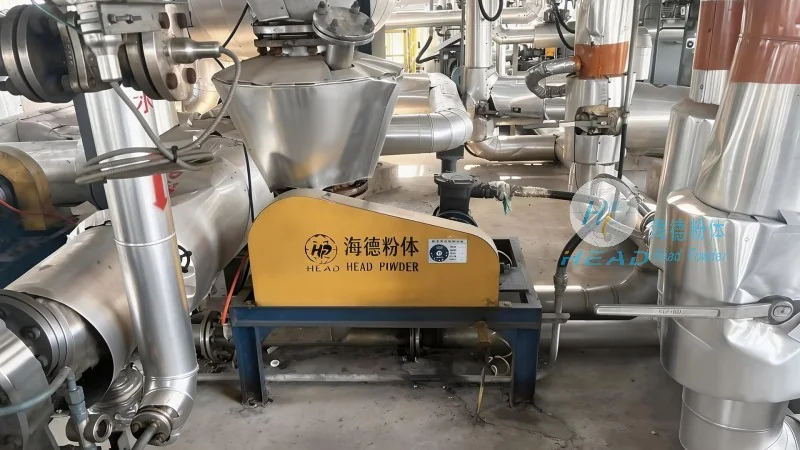
Key Components of a Titanium Dioxide Pneumatic Conveying System
The titanium dioxide material pneumatic conveying line consists of several critical components that work in tandem to ensure smooth material transport. The primary components include a hopper for material storage, a feeder to control the flow rate, a conveying pipe network, a fan or blower to generate the necessary air pressure, and a receiver for the discharged material. Each component plays a vital role in maintaining the system's performance and ensuring the safe and efficient handling of titanium dioxide powder.
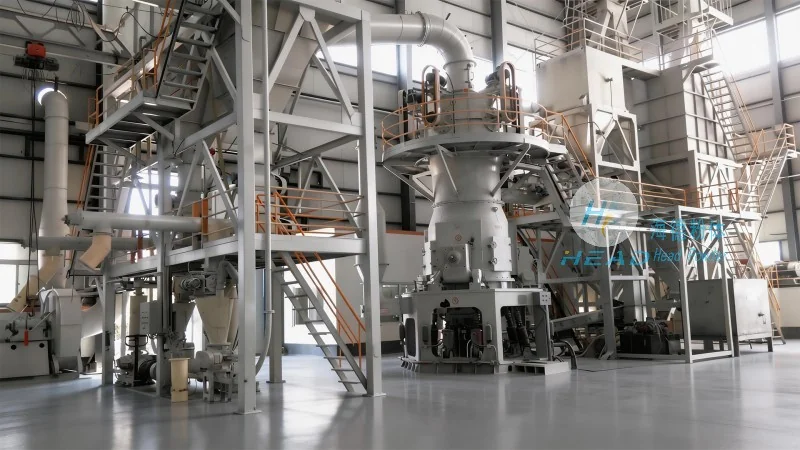
Working Principle of the Pneumatic Conveying Process
The working principle of a pneumatic conveying system for titanium dioxide material relies on the use of air as the conveying medium. The process begins with the material being fed from the hopper into the conveying pipe. Simultaneously, the fan or blower generates a high-pressure air stream that travels through the pipe. As the air flows, it entrains the titanium dioxide particles, forming a dense slurry or a dilute suspension. This mixture is then transported through the pipe network to the receiver. The air pressure and flow rate are carefully controlled to ensure optimal particle suspension and minimal pressure drop, which directly impacts the system's efficiency and material handling capacity.
Operation Process: Step-by-Step Execution
The operation of a titanium dioxide material pneumatic conveying line follows a systematic sequence to ensure consistent and reliable performance. The process starts with the preparation phase, where the hopper is filled with titanium dioxide powder. The feeder is then activated to regulate the material flow into the conveying pipe. The fan or blower is started, establishing the air pressure and flow rate. As the material is conveyed, the system monitors key parameters such as pressure, flow rate, and temperature to maintain optimal conditions. The receiver collects the discharged material, and the system continues to operate until the hopper is emptied or the required amount of material has been transported. Proper maintenance and regular checks are essential to prevent system downtime and ensure long-term operational efficiency.
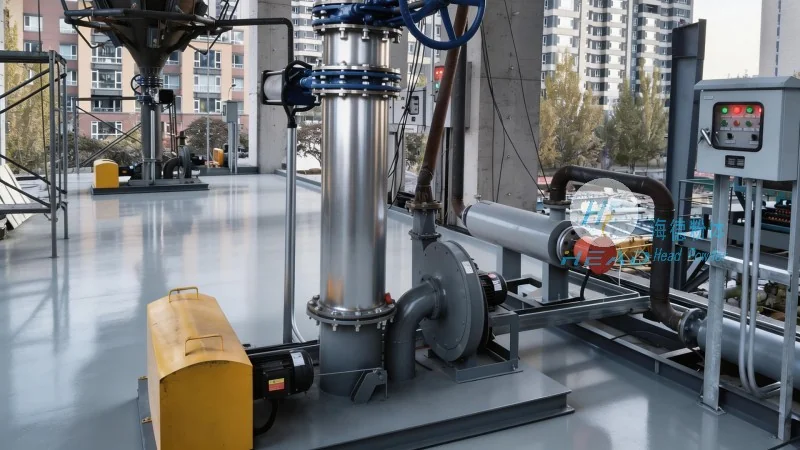
Advantages and Applications of Titanium Dioxide Pneumatic Conveying Lines
The titanium dioxide material pneumatic conveying line offers several advantages over traditional material handling methods, such as belt conveyors or bucket elevators. These systems are highly efficient in transporting fine powders over long distances with minimal product degradation. They also provide excellent dust control, reducing the risk of airborne particle contamination. Additionally, pneumatic conveying systems are flexible and can be easily integrated into existing production lines, making them suitable for various industrial applications, including chemical processing, pharmaceutical manufacturing, and food processing. HeadPowder's expertise in designing customized pneumatic conveying solutions ensures that clients can optimize their material handling processes, improve productivity, and enhance overall operational safety.




