

Operation Process and Working Principle of Quartz Powder Material Pneumatic Conveying Line
Quartz powder, a widely used industrial material, often requires efficient and reliable transportation systems to ensure smooth production processes. The pneumatic conveying line, specifically designed for handling quartz powder, plays a crucial role in material transport within various industrial applications. This article delves into the operation process and working principle of such a system, highlighting its technical aspects and practical implementation.
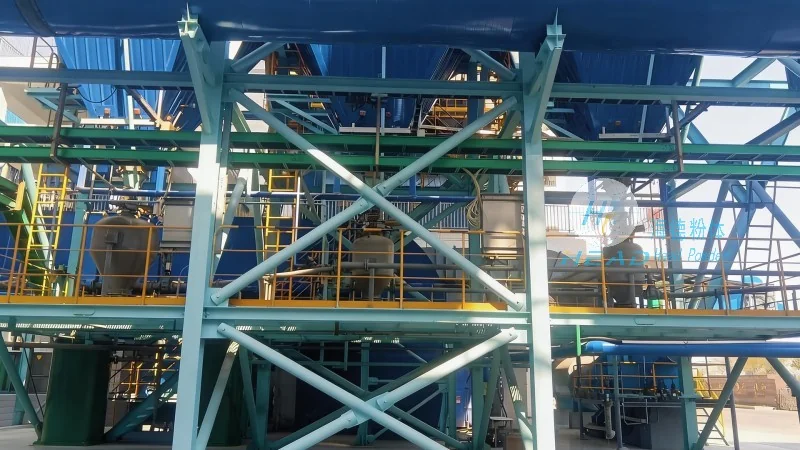
Introduction to Quartz Powder Pneumatic Conveying Lines
Quartz powder, known for its high purity and mechanical strength, is commonly utilized in industries like glass manufacturing, ceramics, and construction. Traditional material handling methods, such as belt conveyors or bucket elevators, may not be suitable for fine powders due to issues like dust generation, material degradation, and operational inefficiencies. The pneumatic conveying line offers a solution by utilizing air as the medium to transport quartz powder in a closed system, minimizing environmental impact and enhancing process safety.
Company Profile: Shandong HeadPowder Engineering Co., Ltd.
HeadPowder, a leading provider of material handling solutions, specializes in designing and manufacturing advanced pneumatic conveying systems tailored to the needs of quartz powder applications. With a strong focus on innovation and customer satisfaction, the company has established itself as a trusted partner in the industry. HeadPowder's expertise lies in integrating cutting-edge technology with practical engineering to deliver efficient and reliable conveying solutions. The company's headquarters is located in Shandong, China, where it operates a state-of-the-art manufacturing facility and research center.
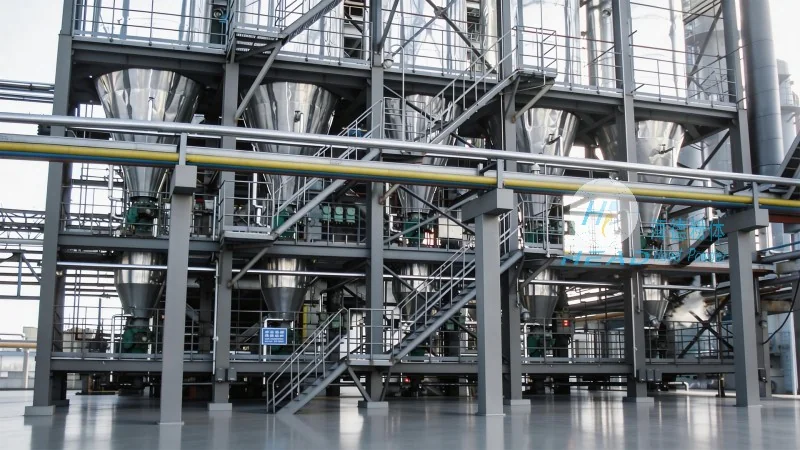
Working Principle of Quartz Powder Pneumatic Conveying Lines
The core of a quartz powder pneumatic conveying line is the air flow mechanism that propels the powder particles through a network of pipes. The system typically operates on the principle of differential pressure, where air is supplied under pressure to create a flow that carries the powder. There are two main types of pneumatic conveying systems: dilute-phase and dense-phase. Dilute-phase systems use low air velocity and high air-to-material ratios, suitable for long-distance transport with minimal pressure drops. Dense-phase systems, on the other hand, employ higher air velocity and lower air-to-material ratios, ideal for handling abrasive or sensitive materials like quartz powder, as they reduce particle impact and wear on equipment.
Operation Process of the Pneumatic Conveying Line
The operation process of a quartz powder pneumatic conveying line involves several key steps, each designed to ensure efficient material transport. The process begins with the loading of quartz powder into a hopper or storage silo. A feeder, such as a rotary valve or a screw feeder, then controls the flow of powder into the conveying line. The powder is then introduced into the pipeline through an inlet or a venturi, where it is mixed with high-pressure air. The air-powder mixture travels through the pipeline, reaching the discharge point where the powder is separated from the air. The separated powder is collected in a receiving hopper or silo, while the air is either filtered and recycled or vented to the atmosphere.
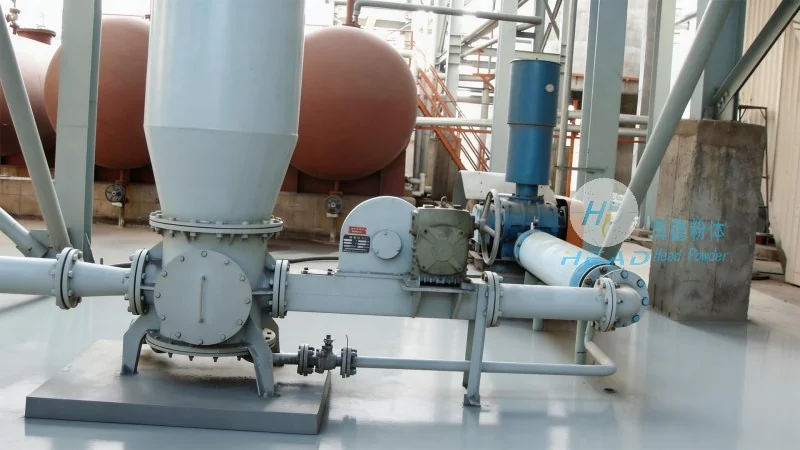
Key Components and Their Functions
Several critical components contribute to the smooth operation of a quartz powder pneumatic conveying line. These include the hopper (for material storage), feeder (for controlled material discharge), air compressor or blower (for generating the necessary air pressure), pipeline system (for transporting the material-air mixture), and separation equipment (such as cyclones or filters for powder-air separation). Each component is carefully designed to handle the specific characteristics of quartz powder, ensuring minimal wear, efficient transport, and optimal performance.
Advantages of Quartz Powder Pneumatic Conveying Lines
Implementing a pneumatic conveying line for quartz powder offers numerous advantages over traditional material handling methods. These include reduced dust contamination, improved process safety, lower maintenance costs, and enhanced material handling efficiency. The closed system design minimizes environmental impact by preventing dust emissions, while the controlled air flow ensures consistent material transport. Additionally, the system can be easily integrated with existing production lines, providing flexibility and scalability. For industries dealing with fine powders, the pneumatic conveying line represents a cost-effective and reliable solution for efficient material transport.
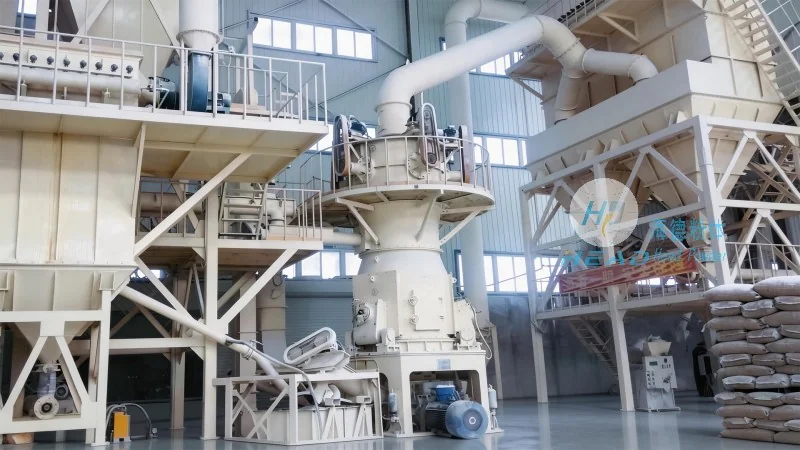
Application Examples and Case Studies
The effectiveness of quartz powder pneumatic conveying lines has been demonstrated in various industrial applications. For instance, in glass manufacturing, the system efficiently transports quartz sand to the melting furnace, ensuring consistent material quality and reducing downtime. In the ceramics industry, the conveying line delivers quartz powder to mixing and molding processes, maintaining the required particle size distribution. These applications highlight the versatility and reliability of the system, making it a preferred choice for industries requiring precise and controlled material handling.
Conclusion
In conclusion, the operation process and working principle of a quartz powder material pneumatic conveying line are critical to ensuring efficient and reliable material transport in industrial settings. By leveraging advanced technology and engineering expertise, companies like Shandong HeadPowder Engineering Co., Ltd. provide tailored solutions that meet the specific needs of quartz powder applications. The system's advantages, including reduced dust, improved safety, and enhanced efficiency, make it an essential component in modern industrial operations. As industries continue to demand higher standards of material handling, the pneumatic conveying line remains a key technology for handling fine powders like quartz powder.