

Operation Process and Working Principle of a Return Coke Powder Material Pneumatic Conveying Line
For industrial applications involving the handling of fine powders like return coke powder, efficient and reliable material transport is crucial. The pneumatic conveying line designed by Shandong HeadPowder Engineering Co., Ltd. (referred to as HeadPowder) offers a robust solution that ensures seamless operation and optimal performance in various production environments. This document outlines the operational process and underlying working principles of the system, highlighting its key components and how they contribute to effective material handling.
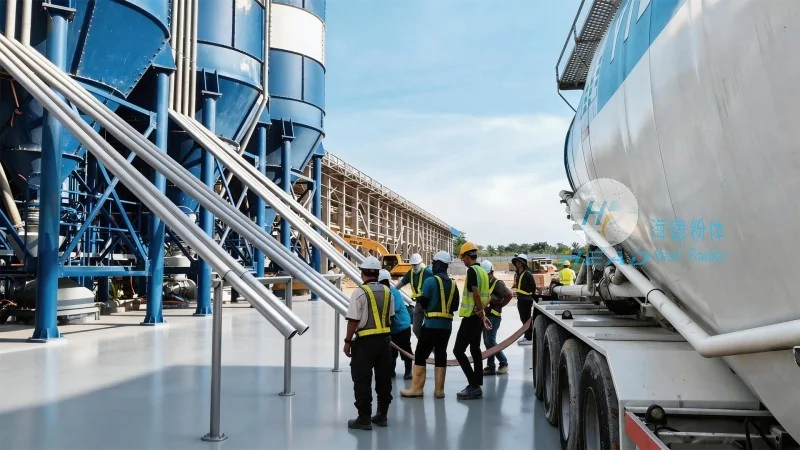
Key Components of the Pneumatic Conveying System
The return coke powder pneumatic conveying line comprises several critical components that work in tandem to facilitate material transport. At the core of the system is the material hopper, which serves as the initial storage and feeding unit. The hopper is equipped with a rotary valve or feeder that controls the flow rate of the coke powder, ensuring a consistent and controlled supply to the conveying line. This component is essential for maintaining stable pressure and preventing material buildup or blockages.
Next in the system is the air compressor, which generates the necessary air pressure to move the powder through the pipeline. The compressor is typically equipped with a filter and dryer to ensure the air is clean and free from moisture, which is vital for preventing material caking or corrosion in the system. The air is then directed through a series of pipes and fittings that connect the hopper to the discharge point. These pipes are often made of stainless steel or other corrosion-resistant materials to withstand the abrasive nature of the coke powder and maintain durability over time.
Along the pipeline, there are often in-line mixers or agitators that help to prevent material settling or bridging, especially in vertical or long horizontal runs. These components ensure that the powder remains suspended in the air stream, enhancing the efficiency of the conveying process. Additionally, the system may include pressure sensors and control valves that monitor and regulate the air pressure, allowing for real-time adjustments to maintain optimal conveying conditions.
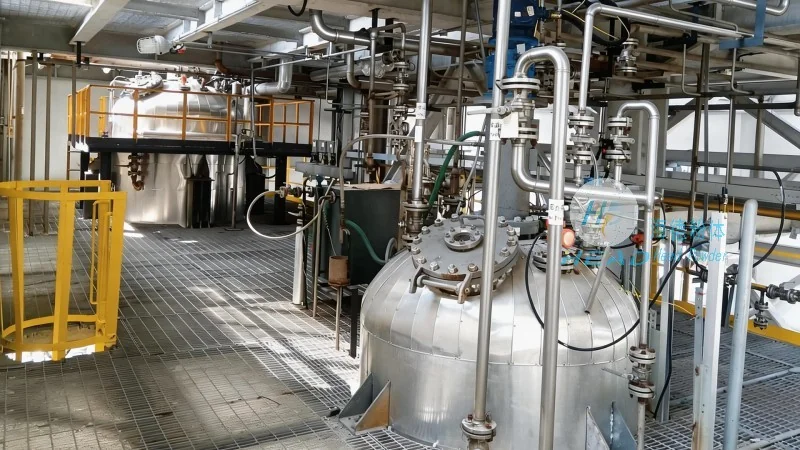
Operation Process of the Pneumatic Conveying Line
The operation of the return coke powder pneumatic conveying line begins with the loading of the material hopper. Once the hopper is filled, the rotary valve or feeder starts to discharge the coke powder into the pipeline. Simultaneously, the air compressor activates, generating a high-pressure air stream that is introduced into the pipeline at the hopper end. The air and powder mixture then travels through the pipeline, with the powder being carried by the air flow to the discharge point.
As the mixture moves through the system, it passes through any in-line mixers or agitators, which help to maintain the suspension of the powder. The pressure sensors continuously monitor the pressure along the pipeline, providing feedback to the control system. If the pressure drops or rises unexpectedly, the system can automatically adjust the air flow or material feed rate to maintain stable operation.
At the discharge end, the powder is separated from the air stream using a cyclone separator or other filtration equipment. The separated powder is collected in a receiving hopper or container, while the air is either recirculated back to the compressor or released to the atmosphere after being filtered. The entire process is typically automated, with the system controlled by a programmable logic controller (PLC) that ensures smooth and continuous operation.
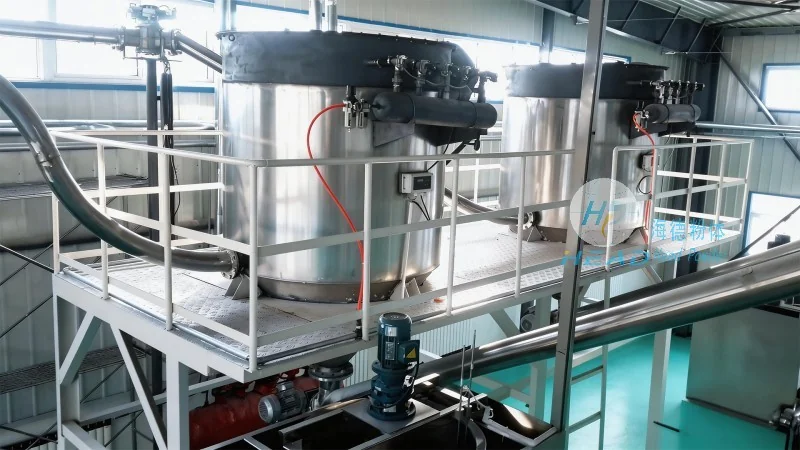
Working Principle: How the System Transports Material
The working principle of the pneumatic conveying line is based on the principle of fluidization and suspension of the powder particles in an air stream. When the air compressor generates high-pressure air, it creates a flow that is sufficient to lift and transport the coke powder particles through the pipeline. The key to efficient conveying is maintaining the powder in a suspended state, which requires a balance between the air velocity and the particle size and density.
For fine powders like return coke powder, the air velocity must be high enough to overcome the gravitational forces acting on the particles but not so high as to cause excessive wear on the system components or create excessive pressure drops. The system's design, including the pipe diameter, length, and inclination, is carefully optimized to achieve this balance, ensuring that the material is conveyed with minimal energy consumption and maximum efficiency.
The return coke powder material is typically a fine, abrasive powder that can be challenging to handle using traditional mechanical conveying methods. The pneumatic system, however, offers several advantages, including the ability to transport the material over long distances, vertical lifts, and through multiple bends without the need for intermediate transfer points. This makes it an ideal solution for industrial applications where the material needs to be moved from one processing stage to another or between different locations within a facility.
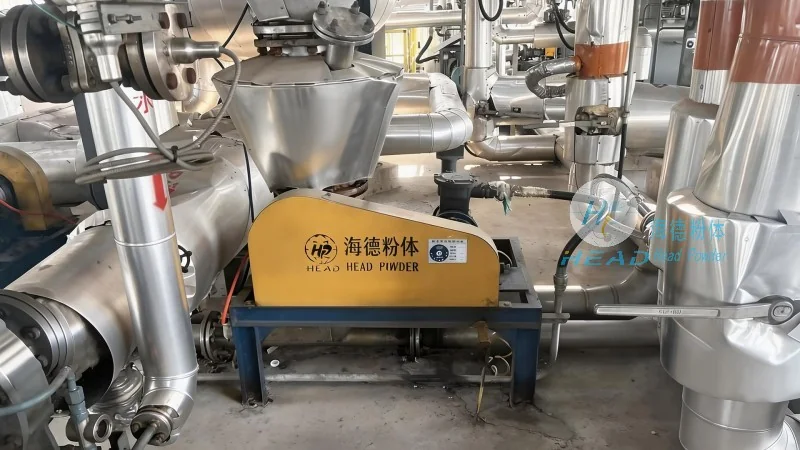
Benefits and Applications
The return coke powder pneumatic conveying line offers several benefits that make it a preferred choice for industrial applications. One of the primary advantages is its ability to handle fine, abrasive materials like coke powder without causing wear or damage to the system components. The system is also highly flexible, allowing for easy integration into existing production lines and modifications to accommodate changes in material flow rates or pipeline configurations.
Additionally, the pneumatic conveying system provides a clean and dust-free operation, which is essential in environments where dust control is a priority. The enclosed pipeline design prevents the release of powder into the atmosphere, reducing the risk of contamination and improving workplace safety. This is particularly important in facilities that handle materials with potential health hazards or environmental concerns.
Shandong HeadPowder Engineering Co., Ltd. has designed this system to meet the specific needs of industries such as steel production, where return coke powder is a byproduct that needs to be efficiently recycled and reused. The system is also suitable for other applications involving the handling of fine powders, including chemical processing, food processing, and pharmaceutical manufacturing.