

Operation Process and Working Principle of Barium Carbonate Material Pneumatic Conveying Line
Barium carbonate, a critical industrial chemical, is widely used in various applications such as glass manufacturing, ceramics, and pharmaceuticals. Efficient material handling is essential for maintaining production efficiency and safety in processing facilities. Pneumatic conveying systems offer a reliable solution for transporting barium carbonate, ensuring smooth operation and minimal downtime. This article explores the operation process and working principle of a barium carbonate material pneumatic conveying line, highlighting key components and operational dynamics.
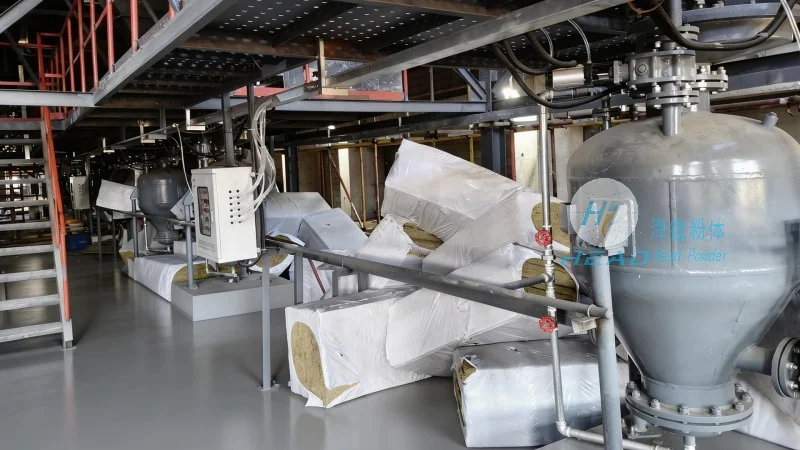
Key Components of the Pneumatic Conveying Line
The pneumatic conveying system for barium carbonate typically consists of several core components that work in tandem to facilitate material transport. These include a hopper for material storage, a feeder to control the flow rate, a conveying pipeline, a separator to remove air from the material stream, and a discharge device for delivering the material to its final destination. Each component plays a crucial role in ensuring the system operates efficiently and safely.
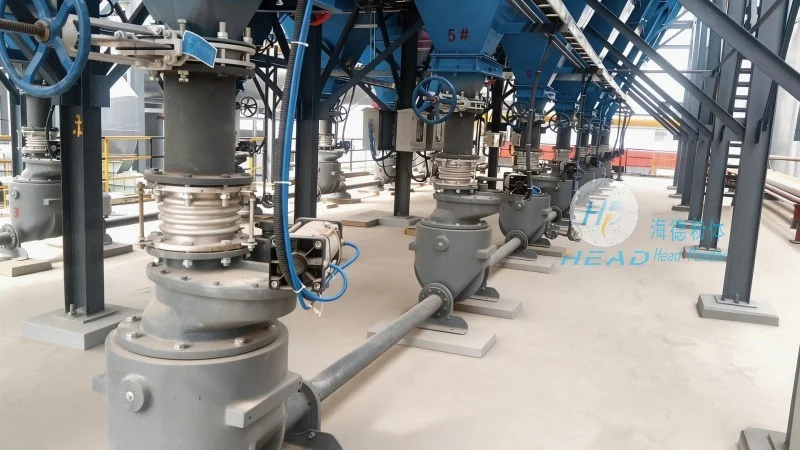
Working Principle of the Pneumatic Conveying Process
The operation of the barium carbonate pneumatic conveying line is based on the principle of air movement to transport solid particles. The process begins with material being fed from the hopper into the conveying pipeline. A fan or blower generates airflow, which pulls the barium carbonate particles along the pipeline. The material is carried by the air stream, and the separator then separates the material from the air, allowing the material to be discharged into the receiving container. This continuous cycle ensures a steady flow of barium carbonate from the source to the destination.
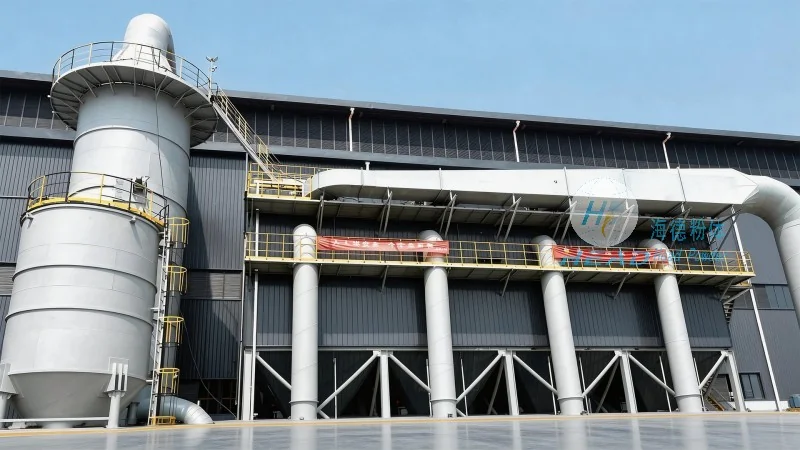
Operation Process: Step-by-Step Overview
The operation process of the barium carbonate pneumatic conveying line involves several sequential steps that ensure smooth material transport. First, the hopper is filled with barium carbonate, and the feeder is adjusted to control the flow rate. Next, the fan is activated, creating the necessary airflow to initiate material transport. The barium carbonate particles are then drawn into the pipeline and conveyed to the separator. The separator removes the air, and the material is discharged into the receiving vessel. Finally, the system is monitored to ensure consistent performance and to address any potential issues promptly.
Ensuring Efficiency and Safety in Operation
Efficiency and safety are paramount in the operation of barium carbonate pneumatic conveying systems. Regular maintenance of components such as the fan, feeder, and separator is essential to prevent breakdowns and ensure optimal performance. Additionally, proper material handling practices, including the use of appropriate equipment and adherence to safety protocols, minimize the risk of accidents and ensure the integrity of the material being transported. The system's design, with its sealed pipelines and controlled airflow, also helps to prevent dust emissions and maintain a safe working environment.
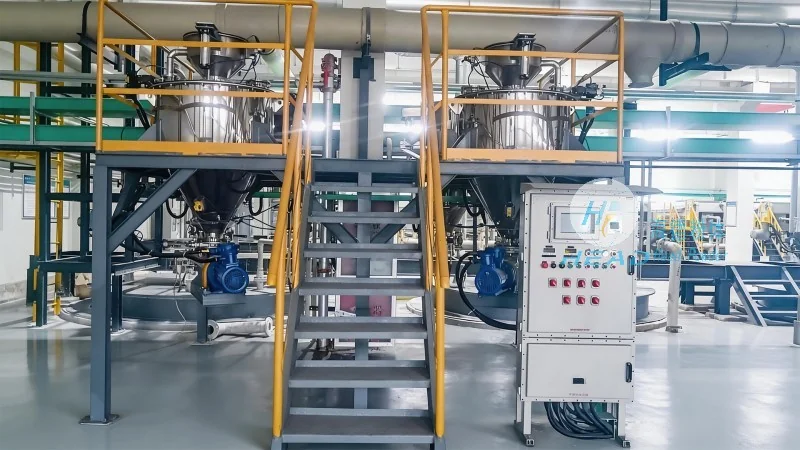
Conclusion: Advantages of Pneumatic Conveying for Barium Carbonate
Pneumatic conveying systems offer significant advantages for the transport of barium carbonate, including high efficiency, minimal material degradation, and reduced labor costs. The operation process, as described, is straightforward and reliable, making it an ideal solution for industrial applications. By understanding the working principle and operation process, users can optimize the system for their specific needs, ensuring consistent performance and productivity. For those seeking a reliable solution for barium carbonate material handling, the pneumatic conveying line from Shandong HeadPowder Engineering Co., Ltd. provides a robust and efficient option.