

Operation Process and Working Principle of Fine Polished Sand Material Pneumatic Conveying Line
HeadPowder, a leading engineering company based in Shandong, China, specializes in the design and implementation of advanced pneumatic conveying systems tailored for handling fine polished sand materials. These systems are critical in various industrial applications, including foundries, glass manufacturing, and abrasive processing, where efficient material transport is essential for operational efficiency and product quality. The following content provides a detailed overview of the operation process and working principles of such systems, highlighting the technical aspects and practical applications.
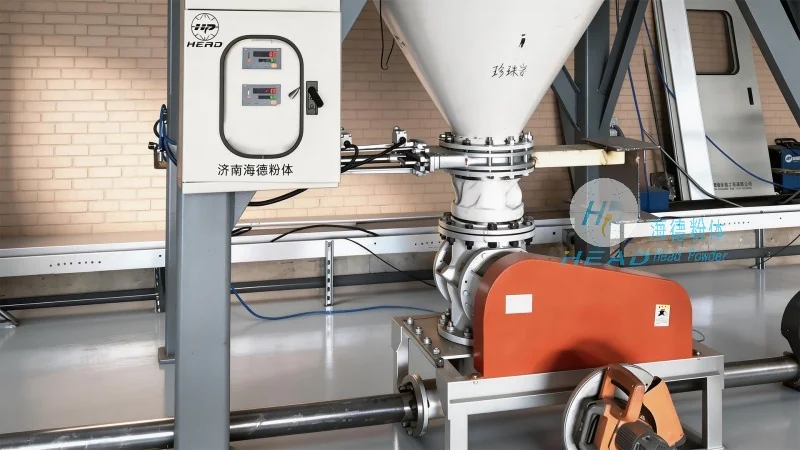
Key Components of a Pneumatic Conveying Line
A typical pneumatic conveying line for fine polished sand consists of several key components that work in tandem to ensure smooth and reliable material transport. These components include the material feed hopper, the air supply system (typically a blower or compressor), the conveying pipeline, and the discharge equipment. The feed hopper is designed to store and meter the fine sand, ensuring a consistent flow into the system. The air supply system generates the necessary pressure or vacuum to move the material through the pipeline. The conveying pipeline, often made of stainless steel or other corrosion-resistant materials, is configured with appropriate bends and fittings to accommodate the material's characteristics. Finally, the discharge equipment, such as a rotary valve or a dust collector, manages the material's release at the destination point.
The Operation Process of the Pneumatic Conveying Line
The operation process of a fine polished sand pneumatic conveying line involves several sequential steps that ensure the material is transported safely and efficiently from the source to the destination. Initially, the fine sand is fed into the material hopper from the storage silo or batch mixer. The hopper is equipped with a metering valve or a rotary feeder that controls the flow rate of the material into the conveying pipeline. Simultaneously, the air supply system is activated, generating a flow of air through the pipeline. The air flow creates a negative pressure or positive pressure environment, depending on the system design, which lifts and transports the fine sand particles through the pipeline. As the material travels through the pipeline, it may encounter bends, expansions, or reductions in diameter, which are designed to minimize particle degradation and maintain flow stability. The conveying process continues until the material reaches the discharge point, where it is collected by the discharge equipment and transferred to the next processing stage.
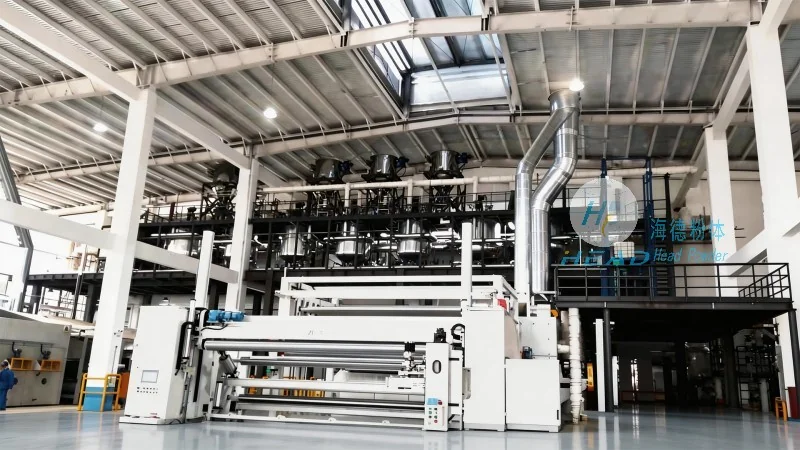
Working Principle of the Pneumatic Conveying System
The working principle of a pneumatic conveying system for fine polished sand is based on the fundamental physics of fluid dynamics and particle motion. The system operates by using compressed air to create a flow that entrains the fine sand particles, effectively transporting them through the pipeline. There are two primary types of pneumatic conveying systems: pressure systems and vacuum systems. In a pressure system, the air is introduced at the discharge end of the pipeline, pushing the material forward. In a vacuum system, the air is drawn from the pipeline at the discharge end, creating a negative pressure that pulls the material from the source. For fine polished sand, a pressure system is often preferred due to its ability to handle higher material loads and longer conveying distances without significant pressure loss. The system's efficiency depends on several factors, including the air velocity, the particle size and density of the sand, and the pipeline diameter and length. Proper design of these parameters is crucial to prevent issues such as material blockage, excessive pressure drop, or particle degradation.
Advantages of Using Pneumatic Conveying for Fine Polished Sand
Implementing a pneumatic conveying line for fine polished sand offers several advantages over traditional methods like belt conveyors or bucket elevators. One of the primary benefits is the ability to handle fine, abrasive materials without causing excessive wear on the equipment. The enclosed pipeline design prevents dust emissions, ensuring a cleaner working environment and compliance with environmental regulations. Additionally, pneumatic conveying systems are highly flexible, allowing for changes in material flow rates and destination points without major modifications to the infrastructure. The system also reduces the risk of material contamination, as the material is not exposed to the external environment during transport. Furthermore, the compact design of the conveying line saves space in industrial facilities, making it suitable for applications with limited floor space. Overall, the use of pneumatic conveying for fine polished sand enhances operational efficiency, improves product quality, and reduces maintenance costs.
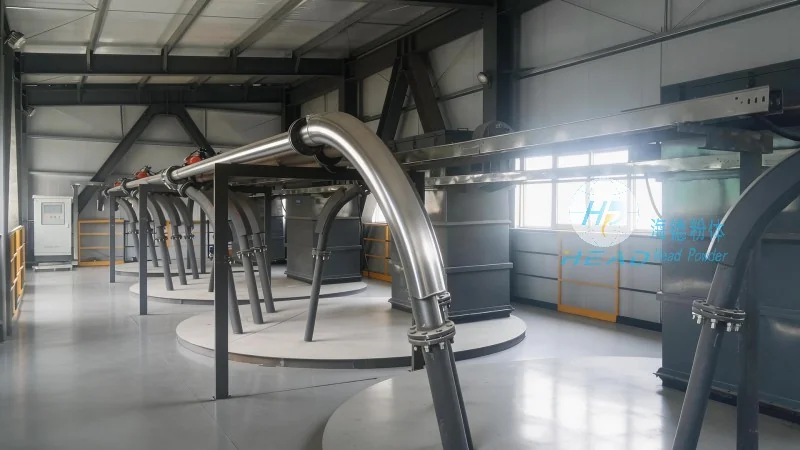
Application Examples and Case Studies
HeadPowder has successfully implemented pneumatic conveying systems for fine polished sand in various industrial applications. For instance, in a foundry operation, the system was used to transport fine sand from a storage silo to a molding machine, ensuring a consistent supply of material for the casting process. The system's ability to handle the abrasive nature of the sand and maintain a clean environment was critical to the foundry's productivity. In another application, a glass manufacturing plant utilized the pneumatic conveying line to transport fine polished sand to a grinding and polishing machine, improving the efficiency of the glass finishing process. The system's reliability and low maintenance requirements contributed to the plant's operational success. These case studies demonstrate the effectiveness of pneumatic conveying systems in handling fine polished sand and the benefits they bring to industrial operations.
Conclusion and Future Developments
In conclusion, the operation process and working principles of a fine polished sand material pneumatic conveying line are complex but highly effective for industrial material transport. HeadPowder's expertise in designing and implementing such systems ensures that clients receive tailored solutions that meet their specific operational needs. As industrial demands for efficient and reliable material handling continue to grow, advancements in pneumatic conveying technology, such as improved blower efficiency and more durable pipeline materials, will further enhance the performance of these systems. The continued use of pneumatic conveying for fine polished sand will remain a vital component in modern industrial operations, contributing to increased productivity and improved product quality.