Operation Process and Working Principle of Silicate Material Pneumatic Conveying Lines
Release time:2026-09-21 14:01:41
name of the company:Shandong Headpowder Engineering Co., Ltd.
telephone:156-6277-7102
contacts:Zhang manager
HeadPowder, a leading engineering company based in Shandong, China, specializes in the design, manufacturing, and installation of advanced pneumatic conveying systems tailored for handling silicate materials. This article provides a detailed overview of the operation process and working principles of a typical silicate material pneumatic conveying line, highlighting the key components, operational steps, and technical aspects that ensure efficient and reliable material transport.
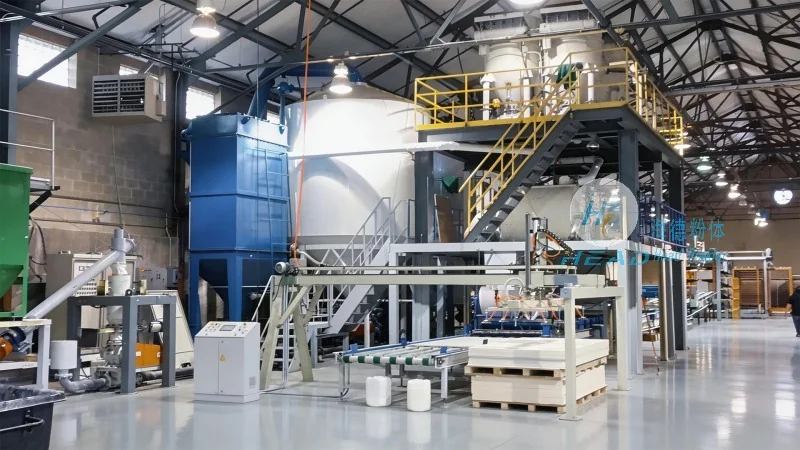
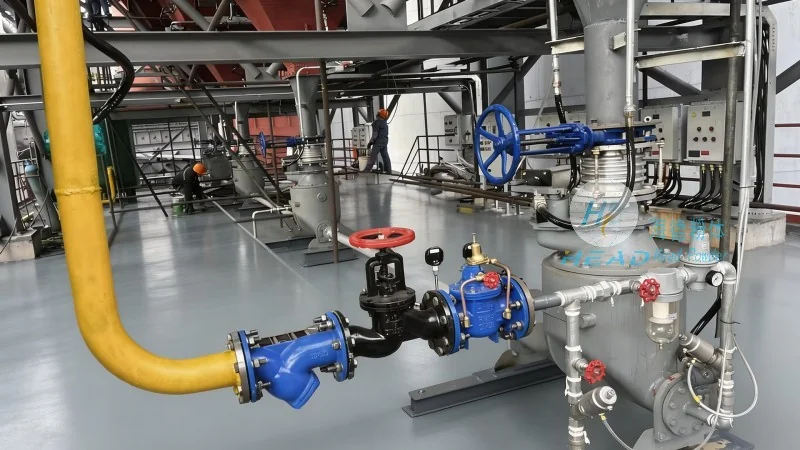
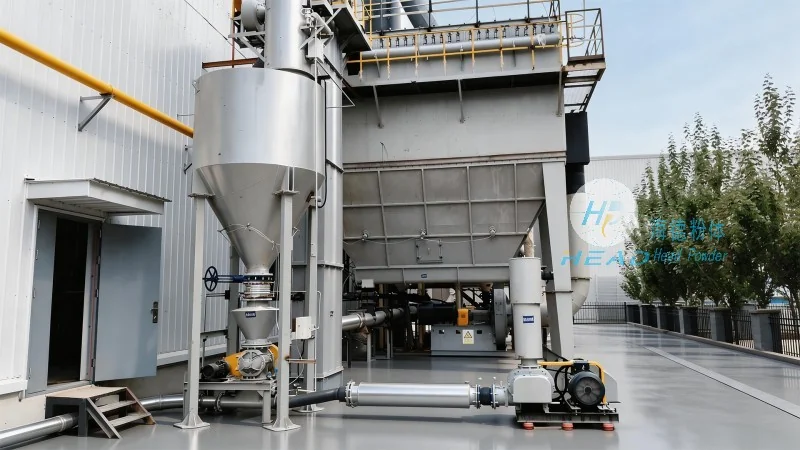
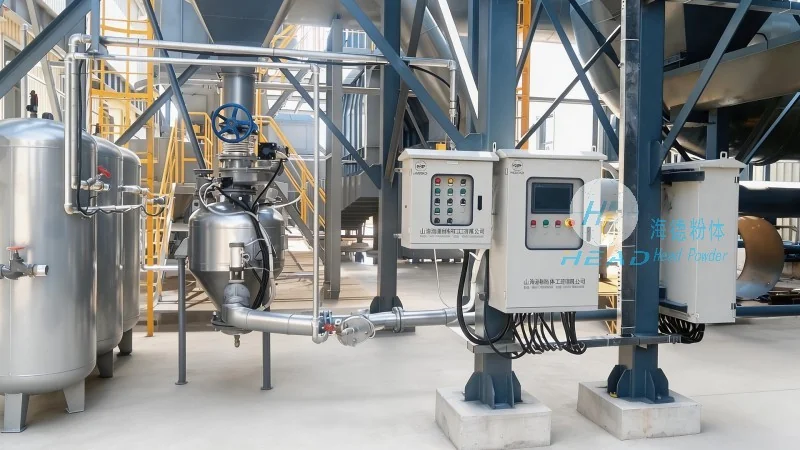
Key Components of Silicate Material Pneumatic Conveying Systems
The silicate material pneumatic conveying line consists of several critical components that work in tandem to achieve effective material transport. These components include the material feeder, air compressor system, conveying pipeline network, gas-solid separation unit, and control system. Each component plays a vital role in the overall functionality of the system.
The material feeder is responsible for feeding the silicate material into the conveying pipeline. For silicate materials, such as sodium silicate (Na₂SiO₃), which are known for their high viscosity and adhesive properties, a specialized feeder is required to ensure a consistent and controlled feed rate. The rotary valve or screw feeder is designed to handle the sticky nature of the material, preventing blockages and maintaining the integrity of the material flow. This is crucial as the adhesive properties of silicate materials can lead to agglomeration and clogging if not properly managed.




