

Principle and Application Scenarios of Circulating Nitrogen Material Pneumatic Conveying
HeadPowder, a leading provider in the field of material handling solutions, specializes in advanced pneumatic conveying systems. This article delves into the fundamental principles of circulating nitrogen material pneumatic conveying and explores the key characteristics of its operational environments. By understanding these aspects, industries can optimize their material transport processes, enhance efficiency, and ensure safety in handling sensitive or hazardous materials.
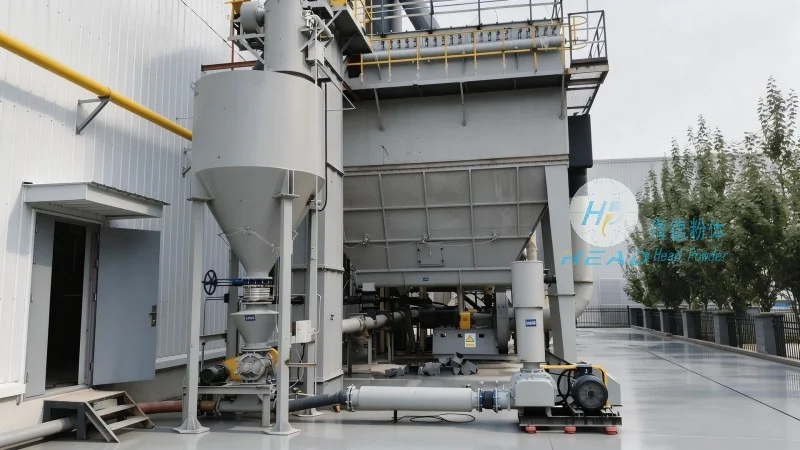
Company Profile: Shandong HeadPowder Engineering Co., Ltd.
HeadPowder, formally known as Shandong HeadPowder Engineering Co., Ltd., is headquartered in Shandong, China. The company has established itself as a trusted partner in the engineering and manufacturing of pneumatic conveying systems, particularly those utilizing nitrogen as a carrier gas. With a focus on innovation and customer-centric solutions, HeadPowder delivers high-quality equipment tailored to the specific needs of various industrial sectors.
The Principle of Circulating Nitrogen Material Pneumatic Conveying
Circulating nitrogen material pneumatic conveying operates on the principle of using nitrogen gas to transport bulk materials through a closed system. This method involves the generation of a low-pressure or high-pressure air stream, which creates a flow that lifts and moves the material particles from the source to the destination. The use of nitrogen as the carrier gas offers several advantages, including inertness, which prevents oxidation or reaction with the conveyed materials, and reduced fire hazards in environments where flammable substances are present.
The system typically consists of a nitrogen generator, a conveyor line, and a collection hopper. The nitrogen gas is compressed and filtered to ensure purity, then introduced into the conveyor line where it interacts with the material to be transported. As the gas flows through the pipeline, it entrains the material particles, forming a dense phase flow that is efficiently transported over long distances. The system may also include a cyclone separator or other filtration equipment to separate the material from the gas stream at the receiving end, allowing for clean material discharge and gas recycling.
Key Features and Advantages of Circulating Nitrogen Pneumatic Conveying
One of the primary benefits of this technology is its ability to handle a wide range of materials, from fine powders to bulk solids, without causing degradation or contamination. The inert nature of nitrogen ensures that sensitive materials, such as pharmaceuticals, food products, or chemicals, are transported under controlled conditions, preserving their quality and integrity. Additionally, the closed system design minimizes dust emissions and environmental impact, making it a more sustainable option compared to traditional bulk handling methods.
Another significant advantage is the energy efficiency of the system. By recycling the nitrogen gas, the system reduces the need for continuous gas generation, leading to lower operational costs and reduced energy consumption. The closed-loop design also enhances safety by preventing the release of hazardous materials into the environment and reducing the risk of fire or explosion in industrial settings.
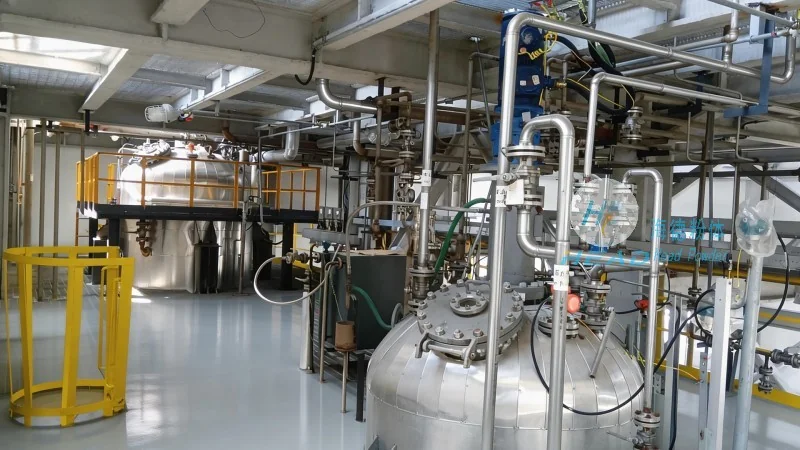
Application Scenarios and Operational Environments
Circulating nitrogen material pneumatic conveying is widely applied in various industries where material transport requires precision, safety, and environmental control. Some common application scenarios include:
1. Pharmaceutical and Food Processing: In these industries, the transport of raw materials or finished products must adhere to strict hygiene and safety standards. Nitrogen-based conveying systems are ideal for handling powders like pharmaceuticals, food additives, or spices, as they prevent contamination and maintain product quality.
2. Chemical Manufacturing: Chemical plants often deal with reactive or flammable materials. The use of nitrogen as a carrier gas provides an inert environment, reducing the risk of chemical reactions or fire hazards during material transfer. This is particularly important for transporting chemicals that are sensitive to air or moisture.
3. Mineral and Mining Industries: In mining operations, bulk materials such as ores, coal, or minerals are transported over long distances. Circulating nitrogen systems can handle these materials efficiently, ensuring stable flow and minimizing dust generation, which improves safety and operational efficiency in mining sites.
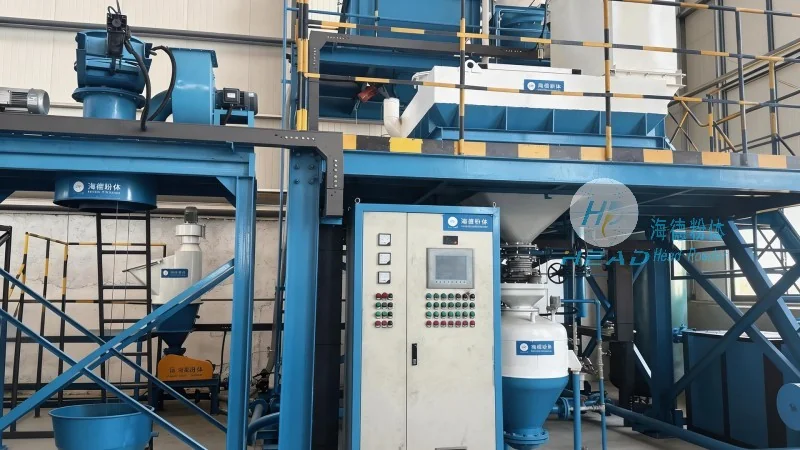
4. Power Generation and Cement Production: These industries require large-scale material handling for raw materials like limestone or coal. Nitrogen-based pneumatic conveying systems can transport these materials with high capacity and reliability, contributing to the smooth operation of power plants and cement factories.
Operational Characteristics and System Design Considerations
The effectiveness of a circulating nitrogen material pneumatic conveying system depends on several operational and design factors. The system design must consider the properties of the material being conveyed, such as particle size, density, and flowability, as well as the distance and elevation changes between the source and destination. The choice between low-pressure and high-pressure systems also plays a critical role in determining the system's performance and energy consumption.
Low-pressure systems typically operate at pressures of 0.5 to 1 bar and are suitable for short to medium distances and gentle inclines. They are often used for handling fine powders and require less energy compared to high-pressure systems. High-pressure systems, on the other hand, operate at pressures of 5 to 10 bar and are ideal for long-distance transport and steep elevations. These systems can handle a wider range of materials, including bulk solids, and provide higher conveying velocities.
Another important consideration is the system's ability to handle variations in material flow. The use of variable speed drives and pressure regulators allows for adjustments to the conveying rate, ensuring that the system can adapt to changes in production demand. Additionally, the inclusion of safety features, such as pressure relief valves and gas detectors, is essential to prevent accidents and ensure compliance with safety regulations.
Conclusion and Future Outlook
Circulating nitrogen material pneumatic conveying represents a sophisticated and efficient solution for material transport in various industrial applications. By leveraging the inert properties of nitrogen and advanced system design, industries can achieve improved safety, enhanced product quality, and reduced environmental impact. As technology continues to evolve, the integration of smart sensors and automation in these systems will further optimize performance and operational efficiency. For businesses seeking reliable and sustainable material handling solutions, circulating nitrogen pneumatic conveying remains a top choice, supported by leading companies like Shandong HeadPowder Engineering Co., Ltd.