

Operation Process and Working Principle of Pneumatic Conveying Lines for Metal Particle Materials
Pneumatic conveying lines are critical industrial equipment for transporting metal particle materials efficiently and safely. These systems leverage air or gas to move materials between locations, offering benefits like minimal contamination, reduced labor costs, and enclosed operation to protect product quality. The operation involves interconnected components and steps that ensure smooth, reliable material transfer.
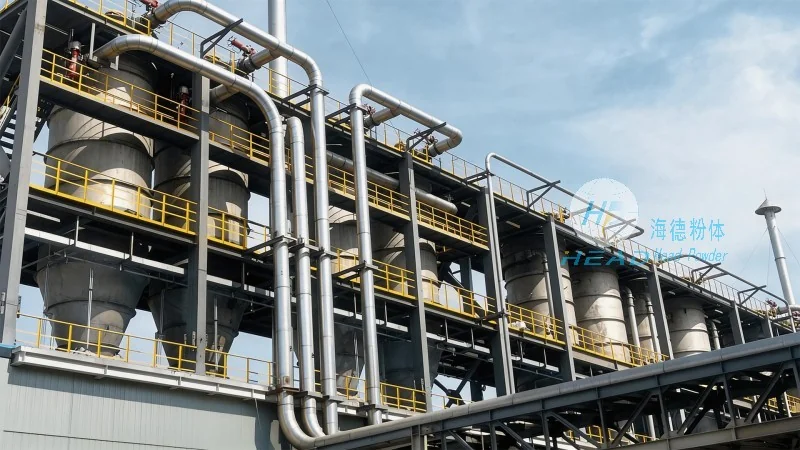
Core Components and Their Functions
A typical pneumatic conveying line comprises several key parts: a material hopper, feeder, air compressor, conveying line, and receiver. The hopper stores metal particles and feeds them into the system. The feeder regulates the material flow rate into the line. The air compressor generates the pressure or vacuum needed to move particles. The conveying line, often made of stainless steel or corrosion-resistant materials, transports the particles. The receiver collects the material at the destination.
Step-by-Step Operation Process
The operation starts with loading metal particles into the hopper. The feeder then controls the flow into the conveying line. Simultaneously, the air compressor supplies compressed air to the system. This air creates a flow that propels the particles through the line, reaching the receiver at the end. The receiver collects the material, and the cycle repeats for continuous operation. This process ensures consistent material transfer, minimizing downtime and maximizing productivity.
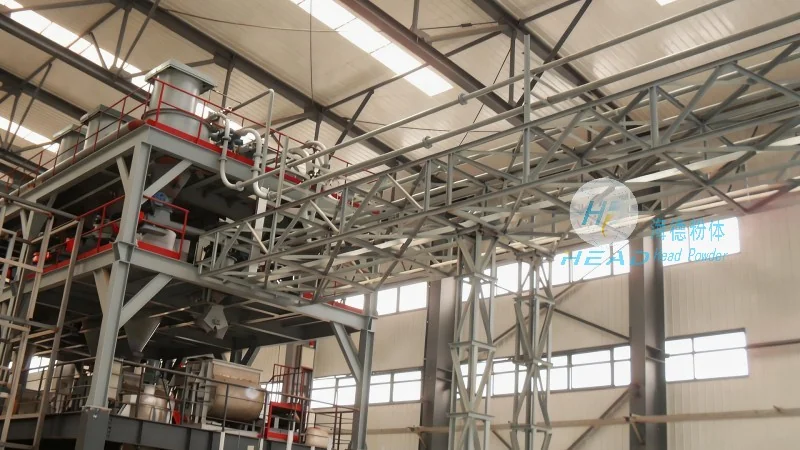
Working Principle Explained
The system operates on fluid dynamics and particle motion principles. Introducing air into the line creates a pressure differential that moves metal particles. Particles are suspended in the air stream and transported. The air velocity and particle size determine efficiency. Proper line diameter and air pressure design are vital for optimal performance. The system can run in positive or negative pressure modes, adapting to application and material needs.
Advantages for Metal Particle Handling
Pneumatic conveying lines offer several advantages for metal particle materials. They handle abrasive materials without equipment wear. The closed system prevents dust and contamination, preserving product quality. The system is flexible for flow rate and destination changes. It integrates seamlessly with other industrial processes like packaging or processing. Reduced manual handling enhances workplace safety.
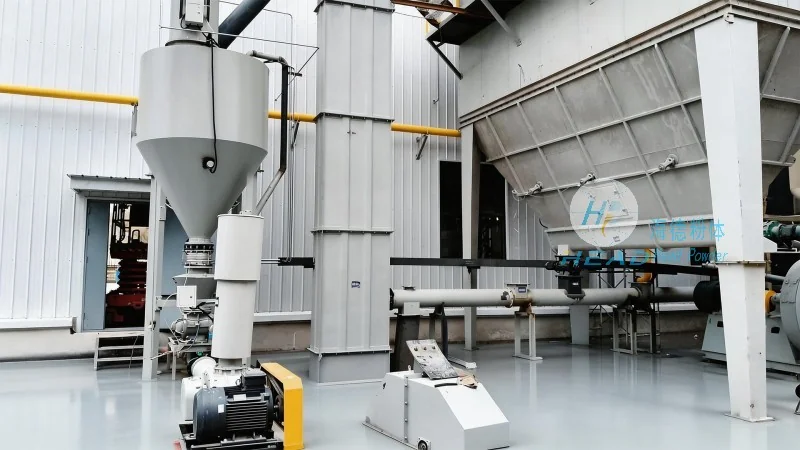
Industrial Applications
Pneumatic conveying lines are widely used in industries handling metal particles, including metal processing, mining, and manufacturing. In metal plants, they transport raw materials to production lines and finished products to storage. In mining, they move ore and minerals from facilities to storage or transport points. The versatility suits small to large-scale operations.
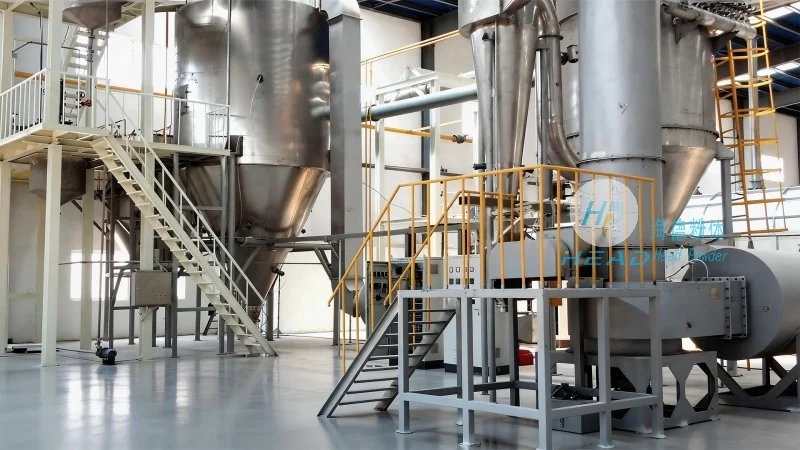
Maintenance and Operational Tips
Proper maintenance is key to system longevity and efficiency. Regular cleaning of the hopper and line prevents clogging. The air compressor and components need periodic inspection for wear. Leak checks maintain required pressure levels. Operator training ensures safe, efficient operation. These practices minimize downtime and maximize material throughput.
About Shandong HeadPowder Engineering Co., Ltd.
Shandong HeadPowder Engineering Co., Ltd., a leading manufacturer of pneumatic conveying systems, specializes in high-quality metal particle material transport solutions. Focused on innovation and customer satisfaction, the company provides tailored systems to meet industrial needs. HeadPowder’s equipment meets top performance and reliability standards, ensuring excellent service and support. The company’s headquarters is in Shandong, China, with experienced engineers and technicians dedicated to product development and maintenance.