

Operation Process and Working Principle of Rare Earth Powder Material Pneumatic Conveying Line
HeadPowder, a leading provider of industrial material handling solutions, specializes in the design, manufacturing, and installation of pneumatic conveying systems tailored for handling rare earth powders. These systems are engineered to efficiently transport fine powders like rare earth oxides, which are critical components in various high-tech industries, including electronics, renewable energy, and advanced manufacturing. The company, based in Shandong, China, leverages decades of expertise to deliver robust and reliable solutions that meet the stringent requirements of modern material processing.
Key Components of the Pneumatic Conveying Line
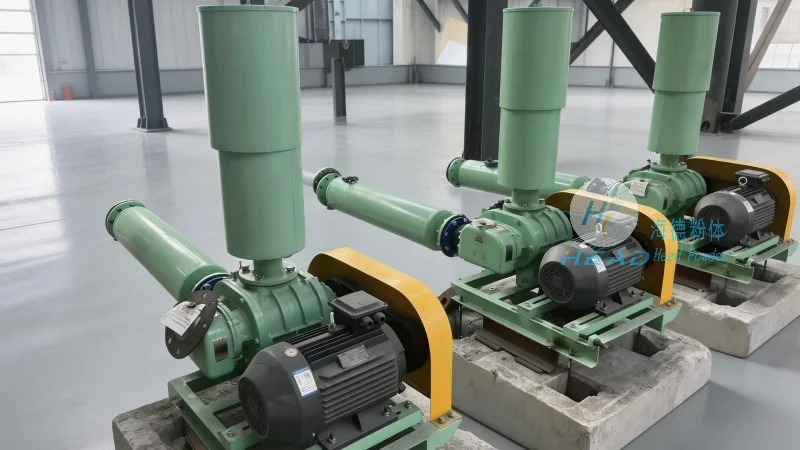
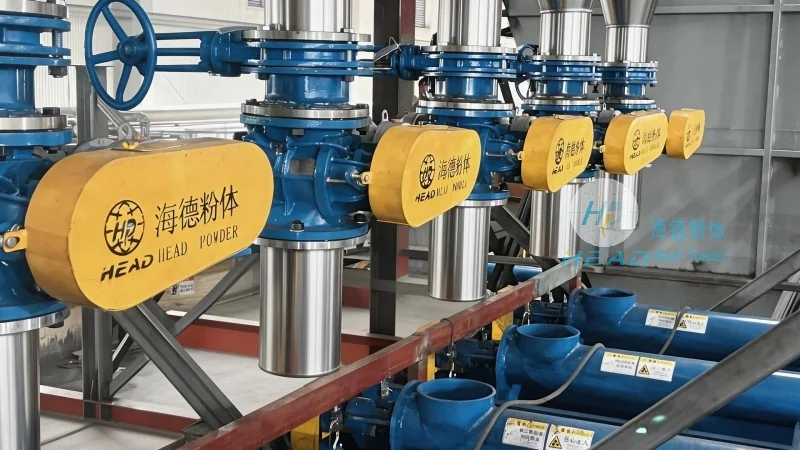
The rare earth powder pneumatic conveying line typically consists of several core components that work in tandem to ensure smooth material transport. These include a material hopper for storing the rare earth powder, a rotary airlock valve to control the flow of material into the system, a positive displacement blower or compressor that generates the necessary air pressure, a pipeline network that transports the powder-air mixture, and a receiving hopper or silo where the material is deposited. Each component is carefully selected and integrated to optimize performance, minimize downtime, and ensure the safe handling of potentially hazardous or valuable rare earth powders.
The Operation Process of the Pneumatic Conveying Line
The operation of the rare earth powder pneumatic conveying line begins with the loading of the material into the storage hopper. The rotary airlock valve then regulates the flow of powder into the pipeline, ensuring a consistent feed rate. The positive displacement blower or compressor starts, creating a high-pressure air stream that draws the powder from the hopper and propels it through the pipeline. As the powder-air mixture travels, it may encounter expansion chambers or cyclone separators, which help to separate the powder from the air and direct it to the receiving hopper. The air is then filtered and vented back into the system or released safely, depending on the system design. This continuous cycle allows for the efficient and uninterrupted transport of rare earth powders over long distances or within complex processing facilities.
Working Principle of the Pneumatic Conveying System
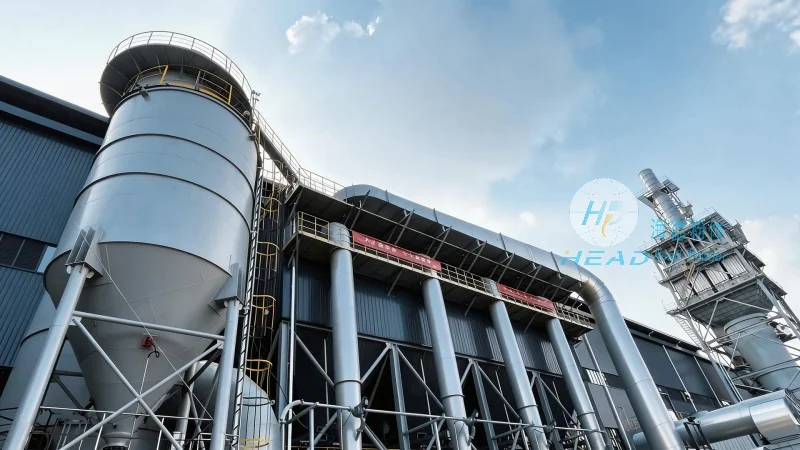
The working principle of the rare earth powder pneumatic conveying line is based on the principles of fluid dynamics and particle transport. The system operates under positive pressure, where the blower or compressor forces air through the pipeline at a high velocity. The rare earth powder is entrained by the air stream, forming a slurry-like mixture that is carried through the system. The key to efficient transport is maintaining a sufficient air velocity to overcome the gravitational and frictional forces acting on the powder particles. The design of the pipeline, including its diameter, length, and bends, is critical to ensuring that the air velocity remains above the minimum required to prevent particle settling or blockages. Additionally, the use of appropriate airlock valves and separators helps to control the flow and prevent material buildup, which can lead to system inefficiencies or failures.
Advantages of Using Pneumatic Conveying for Rare Earth Powders
Implementing a pneumatic conveying system for rare earth powders offers several advantages over traditional methods like belt conveyors or manual handling. First, it provides a dust-free and enclosed environment, which is essential for handling fine powders that can be hazardous to health or cause environmental contamination. Second, the system is highly efficient, allowing for the transport of large volumes of material over long distances with minimal energy consumption compared to other methods. Third, it reduces the risk of material contamination, as the powder is not exposed to external elements or human contact during transport. Fourth, the system is flexible and can be easily integrated into existing processing lines, adapting to changes in production requirements or material types. These benefits make pneumatic conveying an ideal solution for industries that require high-purity rare earth powders and efficient material handling processes.
Application Examples in the Rare Earth Industry
The rare earth powder pneumatic conveying line is widely used in various applications within the rare earth industry. For example, in the production of rare earth magnets, the system is used to transport rare earth oxides from storage silos to mixing and sintering equipment. In the manufacturing of rare earth compounds, the line efficiently moves powders between grinding, classification, and packaging stages. Additionally, in the recycling of rare earth materials, the system helps to transport reclaimed powders from sorting facilities to reprocessing plants. These applications demonstrate the versatility and reliability of the pneumatic conveying line in supporting the entire lifecycle of rare earth material processing, from raw material handling to final product delivery.