

Principles and Working Scene Characteristics of Automatic Powder Bulk Bag Unloading and Pneumatic Ma
When it comes to efficient and reliable material handling in industrial settings, the integration of automatic bulk bag unloading systems with pneumatic conveying technology has become a cornerstone for many operations. This article delves into the core principles behind these systems and highlights the key working scene characteristics that make them indispensable in various industrial applications. HeadPowder, a leading provider of engineering solutions, specializes in designing and implementing such systems to meet the diverse needs of industries worldwide.
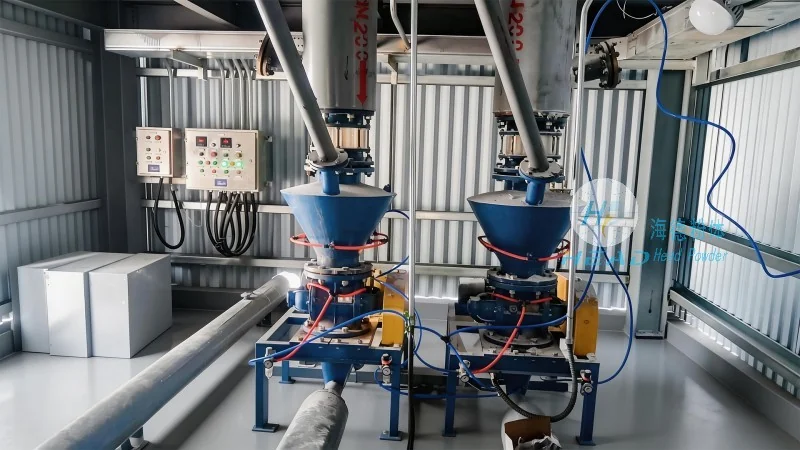
Introduction to Automatic Bulk Bag Unloading and Pneumatic Conveying
Automatic bulk bag unloading, often referred to as big bag unloading or super sack unloading, is a process that automates the transfer of powders and granules from bulk bags into processing equipment or storage containers. This technology is particularly valuable in industries such as chemicals, food processing, pharmaceuticals, and mining, where handling large quantities of bulk materials efficiently is critical. The subsequent pneumatic conveying system then transports these materials through a network of pipes, utilizing air pressure to move the material from the unloading point to the desired destination within the facility.
The Core Principles of Pneumatic Conveying Systems
Pneumatic conveying operates on the principle of using air to transport solid materials. There are two primary types of pneumatic conveying: pressure and vacuum. In pressure systems, air is compressed and forced through the conveying line, pushing the material along. Vacuum systems, on the other hand, use a vacuum to draw material into the system. The choice between these systems depends on factors such as the distance, material characteristics, and the required flow rate. For bulk bag unloading applications, pressure systems are often preferred due to their ability to handle higher material loads and longer conveying distances.
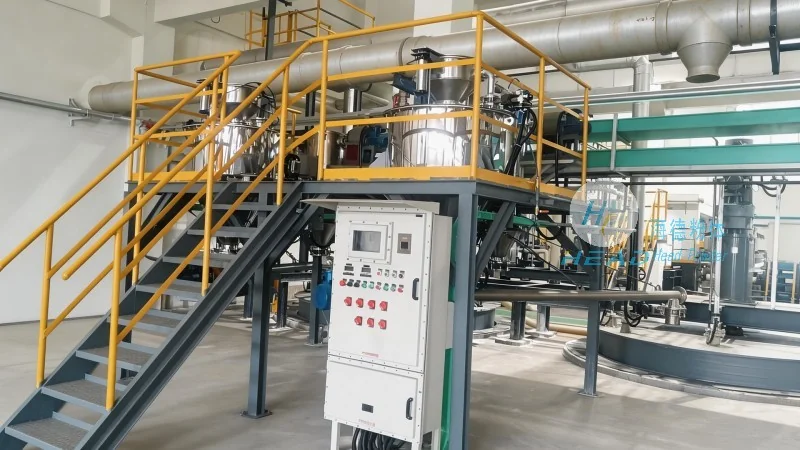
Key Working Scene Characteristics of the Integrated System
The effectiveness of an automatic bulk bag unloading and pneumatic conveying system is heavily influenced by several working scene characteristics. These include the type and quantity of bulk materials being handled, the distance and layout of the conveying network, and the environmental conditions within the facility. For instance, in a chemical plant, the system must be designed to handle potentially hazardous materials, ensuring proper containment and safety measures are in place. Similarly, in a food processing facility, the system must meet stringent hygiene standards, with components that are easy to clean and maintain.
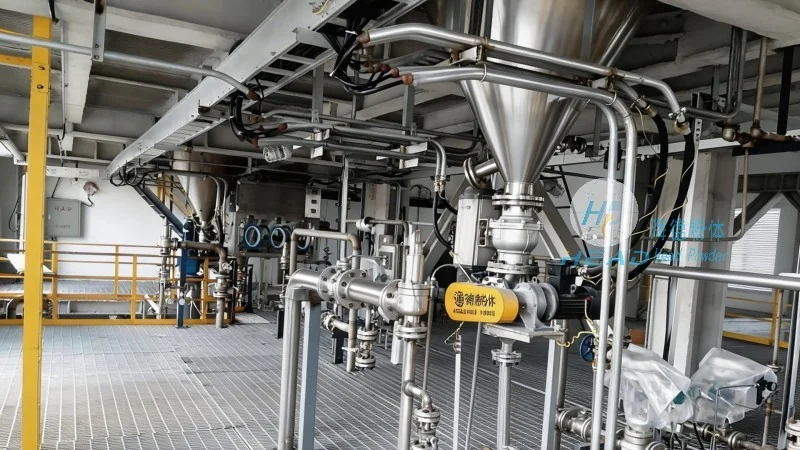
Application Scenarios and Industry Adaptations
The versatility of automatic bulk bag unloading and pneumatic conveying makes it suitable for a wide range of applications. In the chemical industry, these systems are used to transport raw materials like powders and granules to reactors and storage tanks. In the food industry, they facilitate the handling of ingredients such as flour, sugar, and spices, ensuring a clean and efficient process. The mining sector also benefits from this technology, as it allows for the efficient transport of ore and other minerals from the unloading point to processing equipment.
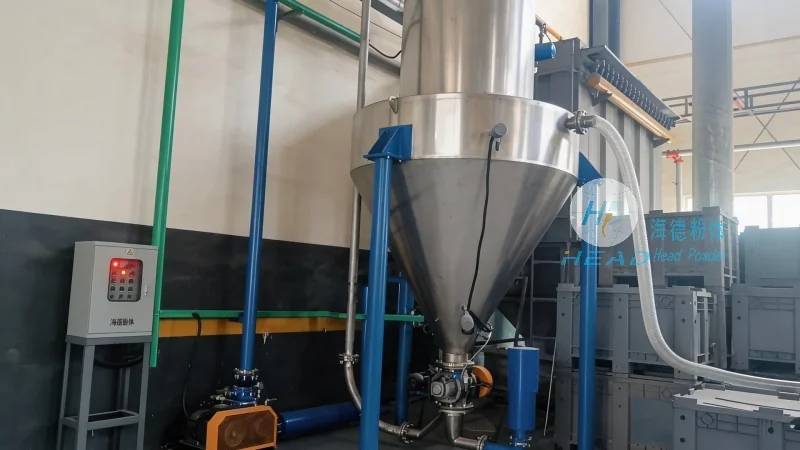
Advantages and Operational Benefits
Implementing an automatic bulk bag unloading and pneumatic conveying system offers numerous advantages. Firstly, it significantly reduces labor costs by automating the manual handling of heavy and bulky bulk bags. This not only improves safety by minimizing the risk of manual lifting and handling but also increases operational efficiency. Secondly, the system ensures consistent and accurate material flow, reducing the risk of spills and material loss. This consistency is crucial for maintaining product quality and meeting production targets. Additionally, the compact design of these systems allows for easy integration into existing facilities, minimizing the need for major structural modifications.
Conclusion and Future Trends
Automatic bulk bag unloading combined with pneumatic conveying represents a sophisticated solution for material handling in modern industrial settings. By understanding the core principles and working scene characteristics, industries can optimize their operations, enhance safety, and improve overall efficiency. As technology continues to advance, we can expect further innovations in this field, such as more advanced control systems and materials that are even more resistant to wear and tear. The continued evolution of these systems will undoubtedly play a vital role in the future of industrial material handling.