HeadPowder, a leading engineering firm based in Shandong, China, specializes in the design and implementation of pneumatic conveying systems for ash slag materials. This article explores the fundamental principles behind ash slag pneumatic conveying and highlights the key working scene characteristics that define its application in industrial settings.
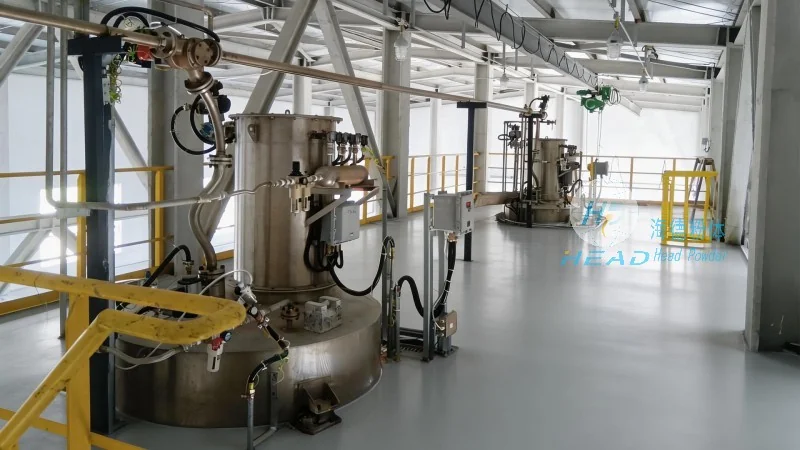
Understanding Pneumatic Conveying Principles
Pneumatic conveying is a method of transporting bulk materials through a pipeline using a stream of air or gas. In the context of ash slag, which typically consists of fine particles from combustion processes, the system operates by creating a pressure differential that propels the material along the pipeline. The core principle involves the use of a blower or compressor to generate airflow, which entrains the ash slag particles and transports them from the source to the destination. This process can be categorized into two main types: dilute phase and dense phase conveying, each with distinct characteristics suited to different material properties and operational requirements.
Key Working Scene Characteristics
The application of ash slag pneumatic conveying is defined by several critical working scene characteristics that influence system design and performance. These include the particle size distribution of the ash slag, which affects the required air velocity and pressure; the moisture content, as higher moisture can lead to caking or blockages in the pipeline; and the distance and elevation changes between the source and destination, which determine the necessary power and equipment specifications. Additionally, the operating environment, such as temperature and presence of corrosive gases, must be considered to ensure the longevity and reliability of the conveying system.
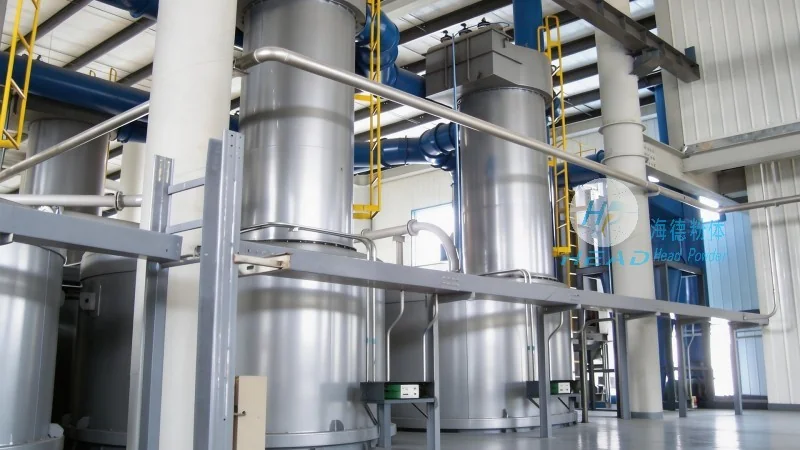
System Components and Operational Efficiency
A typical ash slag pneumatic conveying system consists of several key components, including a material feed hopper, a rotary airlock valve for controlled material discharge, a pipeline network, a dust collector or filter to remove entrained particles from the exhaust air, and a blower or compressor to generate the conveying air. The efficiency of the system is influenced by factors such as the design of the feed hopper to prevent material bridging, the selection of appropriate air velocities to maintain particle suspension without excessive energy consumption, and the use of inline filters or cyclones to protect downstream equipment from particle accumulation. Proper maintenance, including regular cleaning of filters and inspection of pipeline integrity, is essential to maintain operational efficiency and prevent system downtime.
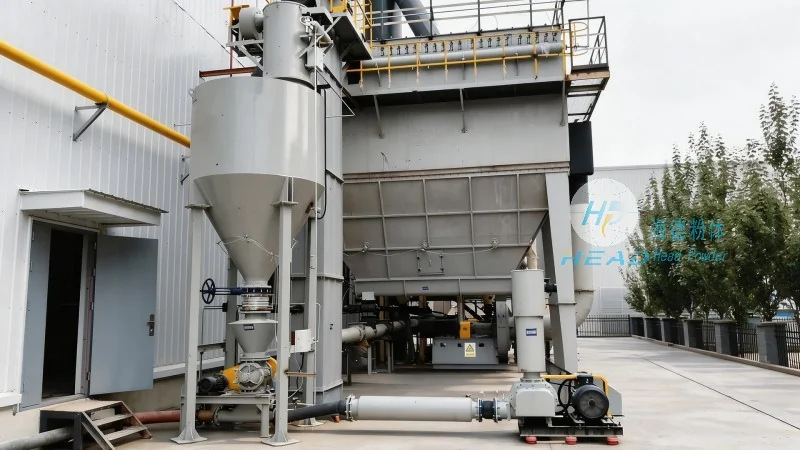
Applications and Industry Impact
Ash slag, a byproduct of coal combustion, is often transported using pneumatic conveying systems in power plants, waste-to-energy facilities, and industrial plants where it needs to be moved from the combustion chamber to storage or processing areas. The ability to handle fine, abrasive particles and transport them over long distances without the need for mechanical components makes pneumatic conveying an attractive option compared to traditional methods like belt conveyors or bucket elevators. This technology not only improves material handling efficiency but also reduces labor costs and minimizes the risk of material spillage or contamination, contributing to a safer and more sustainable industrial operation.
Conclusion
HeadPowder Engineering Co., Ltd., with its headquarters in Shandong, China, leverages advanced engineering principles to design and implement effective ash slag pneumatic conveying systems tailored to the specific needs of industrial clients. By understanding the fundamental principles of pneumatic conveying and the critical working scene characteristics of ash slag materials, the company ensures that its solutions are both efficient and reliable, supporting the smooth operation of industrial facilities and contributing to the sustainable management of ash slag byproducts.




