Shandong HeadPowder Engineering Co., Ltd., a leading manufacturer based in Shandong, China, specializes in the design, development, and production of advanced pneumatic conveying systems. Our company, commonly known as HeadPowder, focuses on providing efficient and reliable solutions for material handling, particularly in the processing of wood ash and similar bulk materials. The following article details the operation process and working principle of our wood ash material pneumatic conveying line, highlighting its key components, operational steps, and technical advantages.
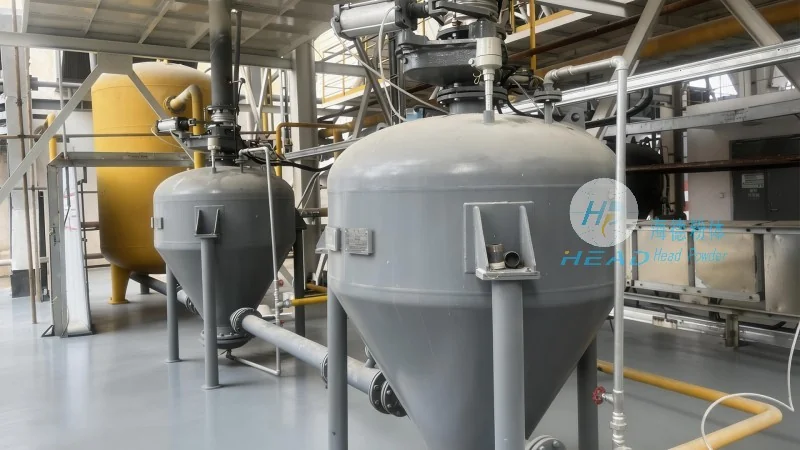
Introduction to Wood Ash Material Pneumatic Conveying Line
A wood ash material pneumatic conveying line is a sophisticated system designed to transport wood ash and other fine or granular materials over long distances with minimal loss and maximum efficiency. This system utilizes compressed air or gas to move the material through a network of pipes, eliminating the need for mechanical components like belts or buckets. The design of such a line is tailored to the specific characteristics of wood ash, including its particle size, moisture content, and flowability, ensuring optimal performance and durability.
Key Components of the Pneumatic Conveying System
The wood ash material pneumatic conveying line consists of several critical components that work in tandem to achieve efficient material transport. These components include:
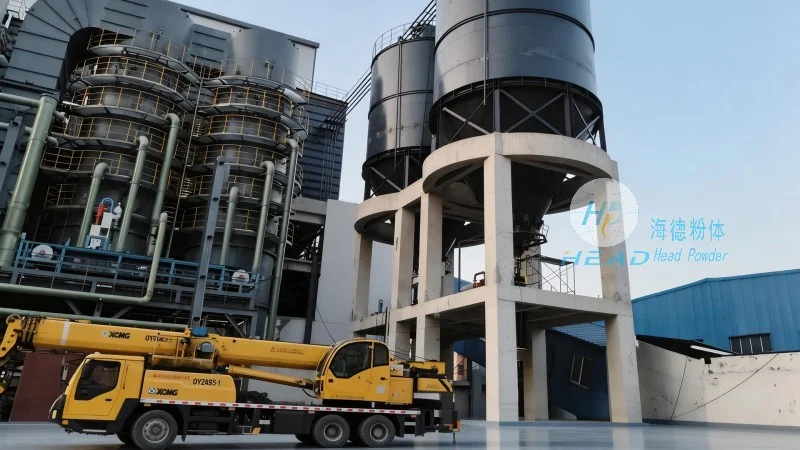
- Feeder: The feeder is responsible for feeding the wood ash into the conveying line at a controlled rate. It ensures a consistent flow of material, preventing blockages and maintaining system stability.
- Pneumatic Conveying Unit: This is the core of the system, where compressed air is introduced to create a flow of material through the pipes. The unit typically includes a blower or compressor that generates the necessary pressure and airflow.
- Piping System: The conveying line is made up of a network of pipes that guide the wood ash from the feeder to the discharge point. The pipe material is often selected for its resistance to corrosion and abrasion, ensuring long-term performance.
- Separation and Cleaning Equipment: To prevent material buildup and maintain system efficiency, separation and cleaning equipment are used. This may include cyclones, filters, and blowers to remove excess material and maintain air quality.
- Control System: An automated control system monitors and regulates the operation of the conveying line, ensuring optimal performance and safety. It can adjust air pressure, flow rate, and other parameters based on real-time conditions.
Operation Process of the Wood Ash Pneumatic Conveying Line
The operation of the wood ash material pneumatic conveying line follows a systematic process that ensures efficient and reliable material transport. The steps are as follows:
- Material Loading: Wood ash is loaded into the feeder from a storage silo or hopper. The feeder then dispenses the material into the pneumatic conveying unit at a controlled rate.
- Air Compression: The pneumatic conveying unit's blower or compressor generates compressed air, creating a pressure differential that propels the wood ash through the piping system.
- Material Transport: The compressed air carries the wood ash particles through the pipes, moving them from the loading point to the discharge point. The velocity and pressure of the air are carefully controlled to ensure the material is transported without damage or loss.
- Discharge and Separation: At the discharge point, the wood ash is released into a receiving container or processing unit. The separation equipment then cleans the air of any residual material, ensuring the system remains efficient and free from blockages.
- System Monitoring: The control system continuously monitors the pressure, flow rate, and other parameters, making adjustments as needed to maintain optimal performance.
Working Principle of the Pneumatic Conveying System
The working principle of the wood ash material pneumatic conveying line is based on the fundamental concept of pneumatic transport, where compressed air is used to move solid materials. The system operates on the principle of fluidization, where the wood ash particles are suspended in the air stream and transported as a slurry. The key aspects of the working principle include:
- Pressure Differential: The system creates a pressure differential between the inlet and outlet of the conveying line. The higher pressure at the inlet (near the feeder) pushes the material through the pipes, while the lower pressure at the outlet allows for controlled discharge.
- Air Velocity and Particle Suspension: The velocity of the compressed air is critical to maintaining the wood ash particles in suspension. If the air velocity is too low, the particles may settle and cause blockages; if it is too high, excessive wear on the pipes and components may occur.
- Material Flow Rate Control: The feeder and control system regulate the flow rate of wood ash into the system, ensuring that the air velocity remains within the optimal range for efficient transport.
- Separation and Filtration: The separation equipment works by using centrifugal force to separate the wood ash particles from the air stream. The filtered air is then recycled back into the system, while the separated material is collected for further processing.
Advantages of the Wood Ash Material Pneumatic Conveying Line
Our wood ash material pneumatic conveying line offers several advantages over traditional mechanical conveying systems, making it an ideal choice for wood ash processing applications:
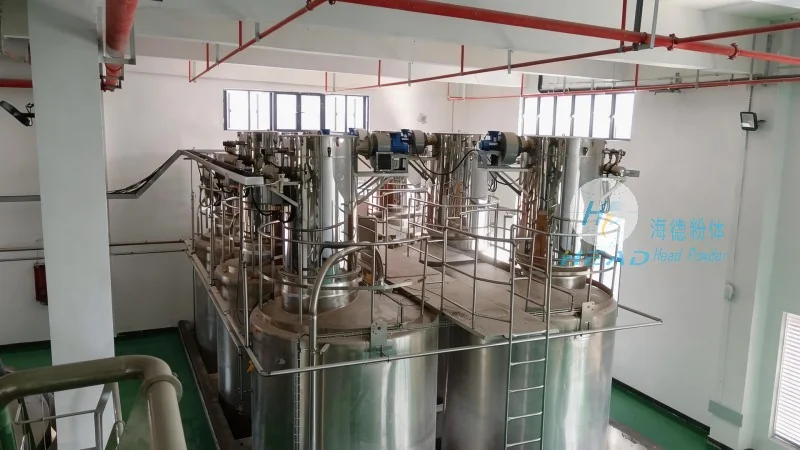
- Efficiency and Reliability: The system provides consistent and reliable material transport, with minimal downtime due to its lack of moving parts that can wear out or break.
- Low Maintenance: With fewer mechanical components, the system requires less maintenance, reducing operational costs and increasing overall efficiency.
- Reduced Material Loss: The enclosed piping system minimizes material loss and contamination, ensuring that the wood ash is handled with precision and care.
- Flexibility in Layout: The pneumatic conveying line can be easily configured to fit various plant layouts, allowing for flexible installation and expansion.
- Environmental Benefits: The system helps to minimize dust emissions and improve air quality, contributing to a safer and more environmentally friendly processing environment.
Application and Customization
The wood ash material pneumatic conveying line is widely used in various industries, including power generation, waste management, and agricultural processing. Our company, Shandong HeadPowder Engineering Co., Ltd., offers customized solutions tailored to the specific needs of each client. We work closely with our customers to design and implement systems that meet their unique requirements, ensuring optimal performance and cost-effectiveness.
Whether you are processing wood ash from a biomass power plant or managing waste materials from a recycling facility, our pneumatic conveying line provides a reliable and efficient solution. With our expertise in material handling and our commitment to quality, we are dedicated to providing the best possible service and support to our clients.




